meaning and origin of ‘one’s best bib and tucker’
18th century, of women’s clothes—‘bib’: a piece of cloth worn between throat and waist; ‘tucker’: a piece of lace or linen worn in or around the top of a bodice
Read More
“ad fontes!”
18th century, of women’s clothes—‘bib’: a piece of cloth worn between throat and waist; ‘tucker’: a piece of lace or linen worn in or around the top of a bodice
Read Moremid-17th cent. in the sense ‘brand new’—from ‘spick and span new’, extension of ‘span new’, from Old Norse ‘spán-nýr’, ‘as new as a freshly cut wooden chip’
Read MoreUK, early 19th cent.—‘shipshape’: arranged properly as things on board ship should be; ‘Bristol fashion’: Bristol was then the major west-coast port of Britain
Read More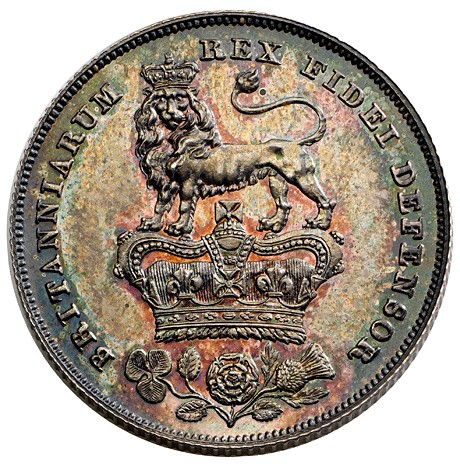
UK, 1707—‘to take the (King’s/Queen’s) shilling’: to sign up as a soldier, from the former practice of giving a shilling to a recruit when he enlisted
Read More
1571—probably from obsolete French ‘de pointe en blanc’, used of firing into empty space for the purpose of seeing how far a piece of artillery would carry
Read Morefrom ‘to lose a sheep for a halfpennyworth of tar’—refers to the use of tar to protect sores and wounds on sheep from flies (‘sheep’ was pronounced ‘ship’)
Read MoreUK (early form: 1763): a fanciful bet wagering the wealth that is available in Lombard Street—a centre of London banking—against something of trifling value
Read More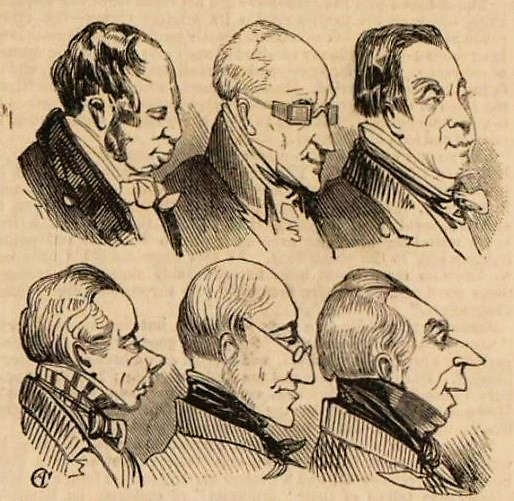
UK—1903: ‘the man on the Clapham omnibus’, the average or typical person—1844: ‘the Clapham Sect’, a group of social reformers based at Clapham, London
Read More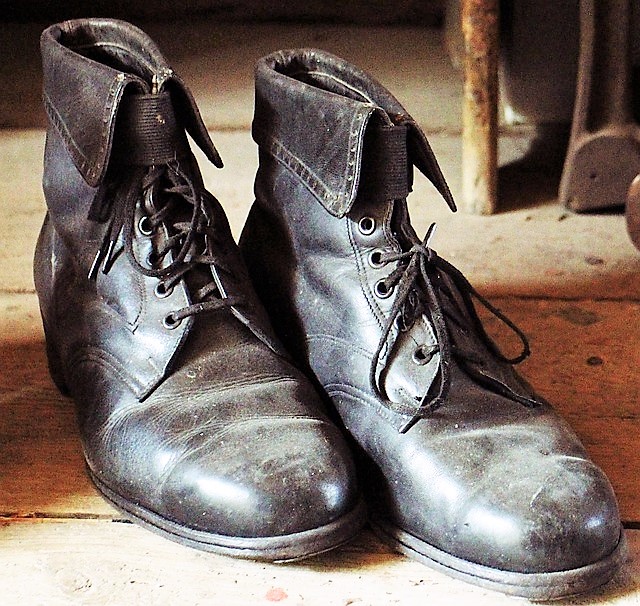
mid-16th century—meaning: to wait for the death of a person with the expectancy of succeeding to his possessions or office; implies a futile wait
Read MoreUS, 1898: ‘to know one’s onion’ (in the singular), to be very knowledgeable about something — French, 1897: ‘c’est mes oignons’, it’s my own business
Read More
