‘free shave tomorrow’: meanings and origin
USA, 1871—is used of any incentive or reward that is perpetually promised but never actually delivered—refers to a sign displayed as an advertisement for a barber’s shop
Read More
“ad fontes!”
USA, 1871—is used of any incentive or reward that is perpetually promised but never actually delivered—refers to a sign displayed as an advertisement for a barber’s shop
Read MoreUSA, 1889—is used of any incentive or reward that is perpetually promised but never actually delivered—refers to a sign displayed as an advertisement for a pub
Read More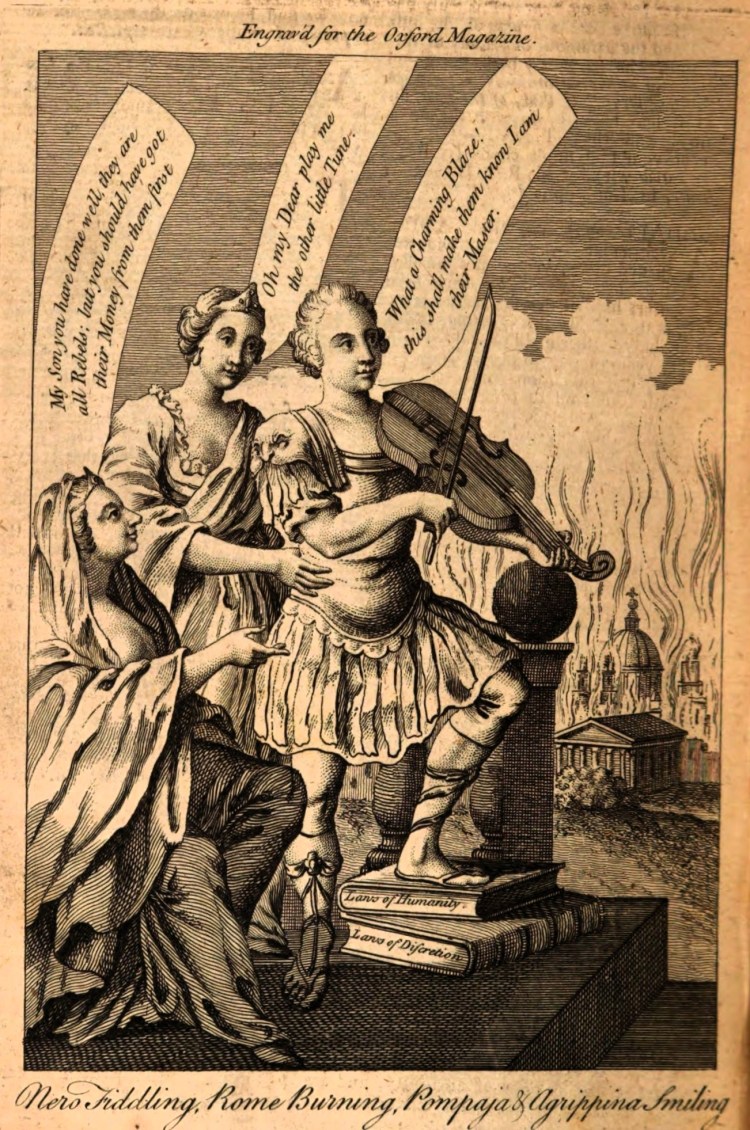
UK, 1770—as ‘Nero fiddled whilst Rome was burning’, in a swipe at King George III, by John Horne
Read More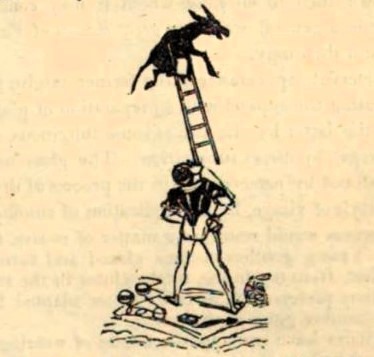
UK, 1834—an old cry used at fairs, the showman promising his audience that as soon as enough pennies are collected, his donkey will balance itself on the top of a ladder
Read Moreoriginally in reference to rural life as opposed to urban life—American English, 1907—the influence of a particular place or situation on the character of a person or thing cannot be eradicated by removing the person or thing from the place or situation in question
Read Morethe alleged duty of the white peoples to bring their civilisation to other peoples regarded as backward—USA, 1865—in early use, often referred to the relations between European Americans and African an Americans
Read MoreSierra Leone, a former British colony in West Africa, and, by extension, equatorial West Africa in general—UK, 1833—refers to the high mortality rate among white colonisers of the region
Read More1945—originally referred to anti-fascist committees in Germany at the end of, and immediately after, World War II—from German ‘Antifa’, shortened from ‘Antifaschismus’ (i.e., anti-fascism) and from ‘antifaschistisch’ (i.e., anti-fascist)
Read Morealso ‘hopeium’—a notional drug supposed to have been ingested by a person who maintains an unrealistically optimistic outlook—UK, 1864—a blend of ‘hope’ and ‘opium’
Read Moreany mistaken or illegitimate legal action—Australia, 1881—a punning variant of the phrase ‘the long arm of the law’ (also ‘the strong arm of the law’)
Read More word histories