How hornbooks are at the origin of ‘criss-cross’.

phonetic reduction of ‘Christ’s cross’; first element phonetically reduced as in ‘Christmas’; hence ‘criss-cross’ treated as a reduplication of ‘cross’
Read More
“ad fontes!”
phonetic reduction of ‘Christ’s cross’; first element phonetically reduced as in ‘Christmas’; hence ‘criss-cross’ treated as a reduplication of ‘cross’
Read More‘blanket’: from Old-Northern-French and Anglo-Norman forms such as ‘blankete’ (white woollen material), composed of ‘blanc’ (white) and the diminutive suffix ‘-ette’
Read Morefrom the legal formula ‘part and parcel’, in which both nouns meant ‘an integral portion of something’, the second noun merely reinforcing the first
Read More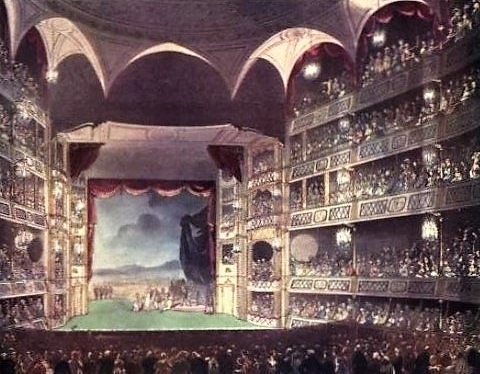
UK, 1784—elaborated on the archaic ‘on the spur’, which meant ‘in great haste’ and referred to the use of spurs to urge a horse forward
Read More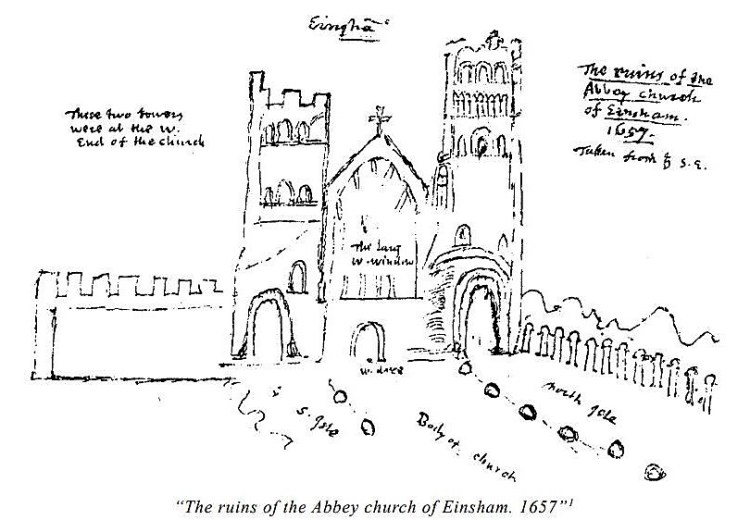
first recorded in ‘Hudibras’ (1664), by Samuel Butler—from the first half of ‘Proverbs’, 13:24: “Whoever spares the rod hates their children.”
Read More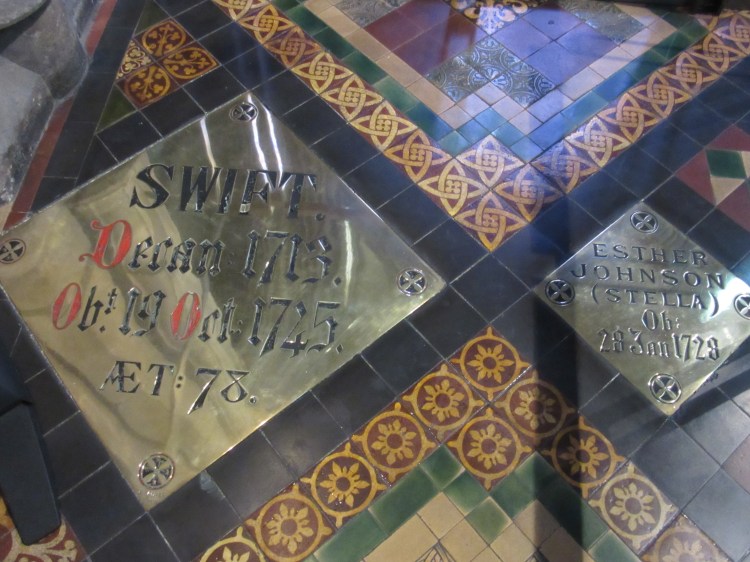
1711 in a letter by Jonathan Swift—perhaps from Ecclesiastes, 10:20: “a bird of the air shall carry the voice; and that which hath wings, shall tell the matter”
Read More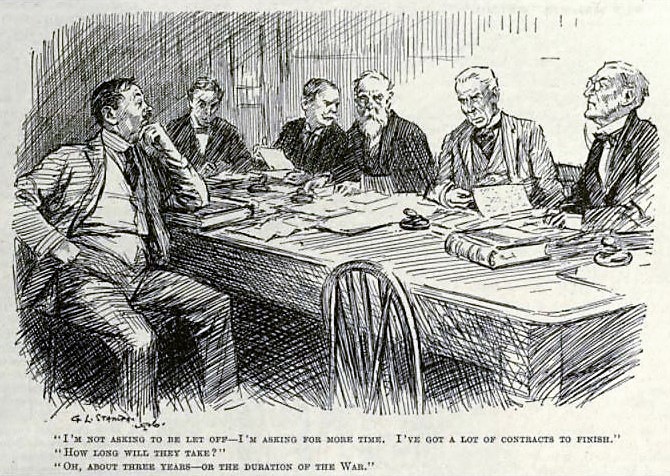
UK, 1917—originally used of the First World War, from the term of enlistment ‘for three’, or ‘four’, ‘years or for the duration of the war’
Read More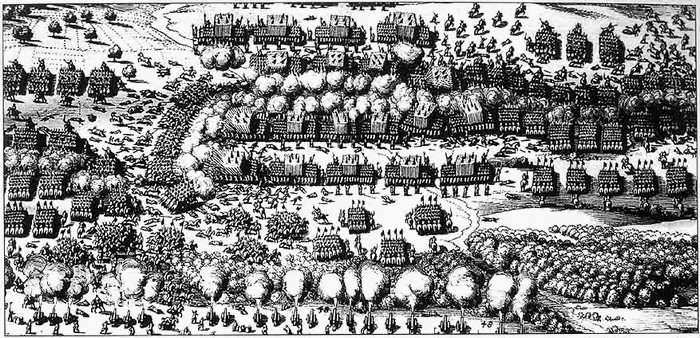
originated in the context of military engagements: ‘day’ denotes ‘a day of contest on the battlefield’ and the phrase means ‘to avert defeat in battle’
Read More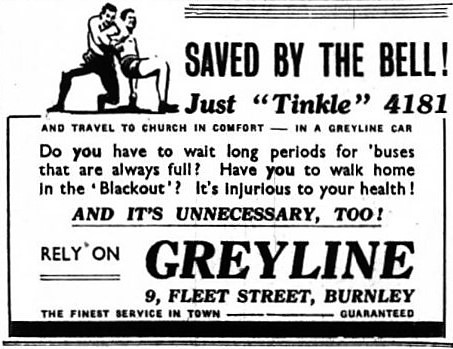
‘rescued from a difficult situation by a timely intervention’, from (in boxing) ‘saved from being counted out by the ringing of the bell at the end of a round’
Read MoreWith words denoting some specified deficiency in a desirable or standard quantity of something, ‘short of a ——’ means ‘mentally deficient’, ‘slightly crazy’.
Read More
