the legendary origin of ‘a Roland for an Oliver’

meaning: ‘tit for tat’—Oliver was a full match for his comrade Roland, the legendary nephew of Charlemagne in ‘La Chanson de Roland’ and other romances
Read More
“ad fontes!”
meaning: ‘tit for tat’—Oliver was a full match for his comrade Roland, the legendary nephew of Charlemagne in ‘La Chanson de Roland’ and other romances
Read More
UK, 1971, in graffiti—preceded by a proper or common noun in the singular or plural; used to assert the pre-eminence of a specified person or thing
Read More‘blanket’: from Old-Northern-French and Anglo-Norman forms such as ‘blankete’ (white woollen material), composed of ‘blanc’ (white) and the diminutive suffix ‘-ette’
Read Morefrom the legal formula ‘part and parcel’, in which both nouns meant ‘an integral portion of something’, the second noun merely reinforcing the first
Read More
UK, 1784—elaborated on the archaic ‘on the spur’, which meant ‘in great haste’ and referred to the use of spurs to urge a horse forward
Read More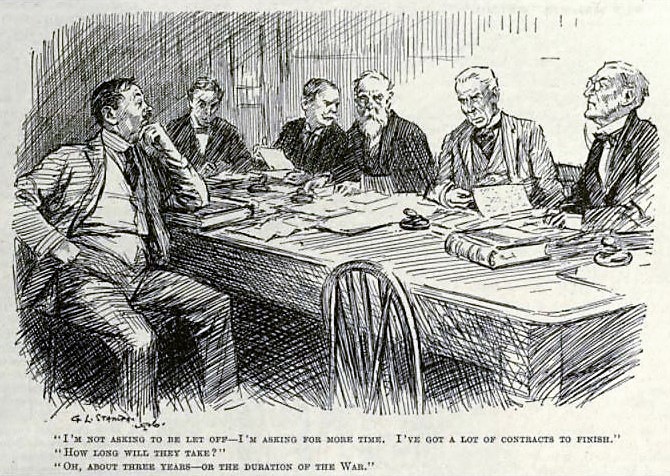
UK, 1917—originally used of the First World War, from the term of enlistment ‘for three’, or ‘four’, ‘years or for the duration of the war’
Read More
originated in the context of military engagements: ‘day’ denotes ‘a day of contest on the battlefield’ and the phrase means ‘to avert defeat in battle’
Read More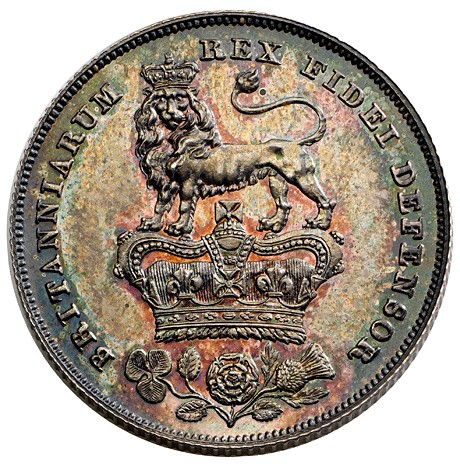
UK, 1707—‘to take the (King’s/Queen’s) shilling’: to sign up as a soldier, from the former practice of giving a shilling to a recruit when he enlisted
Read More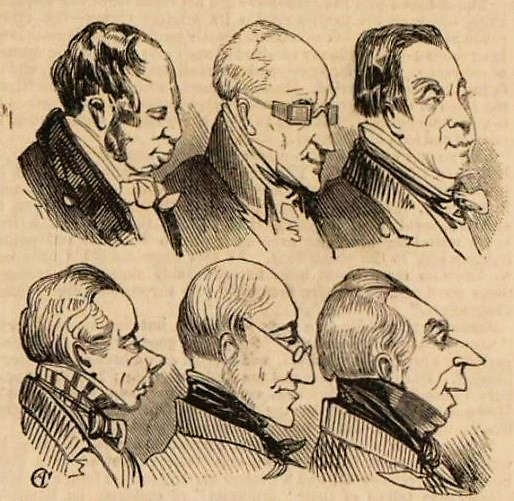
UK—1903: ‘the man on the Clapham omnibus’, the average or typical person—1844: ‘the Clapham Sect’, a group of social reformers based at Clapham, London
Read More
UK, 1929—the attitudes, loyalties, values, etc., associated with British public schools—from the distinctive tie that indicates which school the wearer attended
Read More word histories