meaning and origin of ‘to be part and parcel of’
from the legal formula ‘part and parcel’, in which both nouns meant ‘an integral portion of something’, the second noun merely reinforcing the first
Read More
“ad fontes!”
from the legal formula ‘part and parcel’, in which both nouns meant ‘an integral portion of something’, the second noun merely reinforcing the first
Read More
UK, 1784—elaborated on the archaic ‘on the spur’, which meant ‘in great haste’ and referred to the use of spurs to urge a horse forward
Read More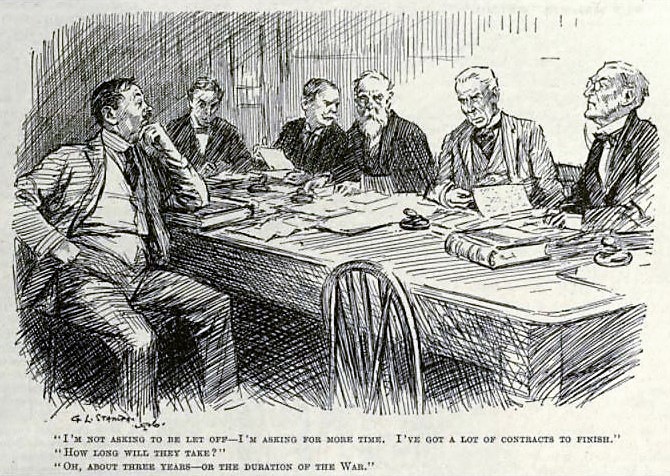
UK, 1917—originally used of the First World War, from the term of enlistment ‘for three’, or ‘four’, ‘years or for the duration of the war’
Read More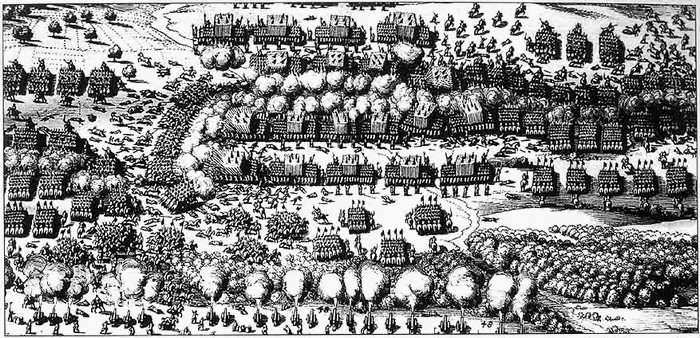
originated in the context of military engagements: ‘day’ denotes ‘a day of contest on the battlefield’ and the phrase means ‘to avert defeat in battle’
Read More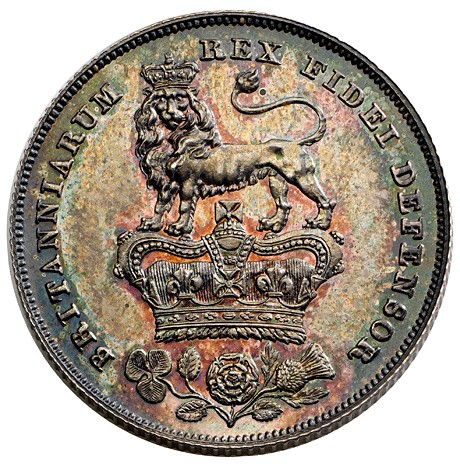
UK, 1707—‘to take the (King’s/Queen’s) shilling’: to sign up as a soldier, from the former practice of giving a shilling to a recruit when he enlisted
Read More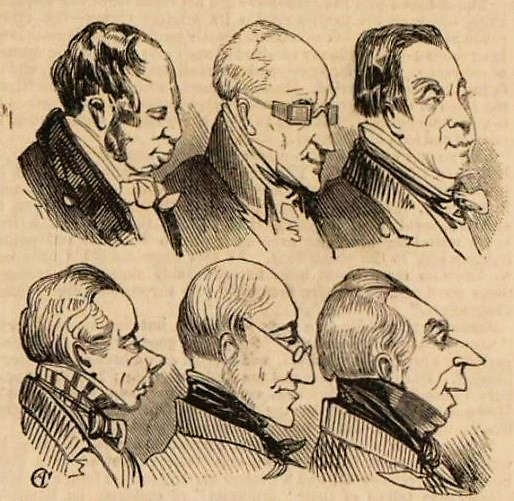
UK—1903: ‘the man on the Clapham omnibus’, the average or typical person—1844: ‘the Clapham Sect’, a group of social reformers based at Clapham, London
Read More
UK, 1929—the attitudes, loyalties, values, etc., associated with British public schools—from the distinctive tie that indicates which school the wearer attended
Read More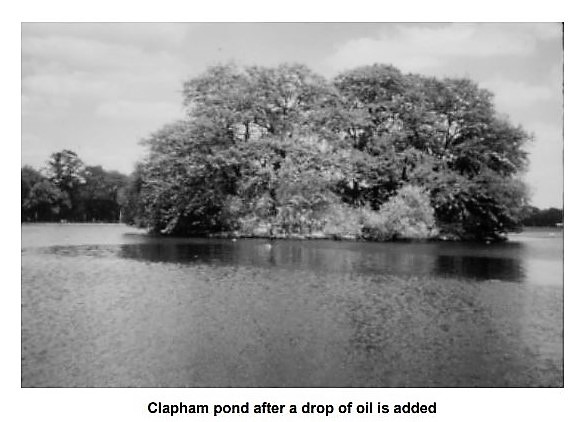
alludes to the calming effect of oil on the agitated surface of water; common knowledge since ancient times, first scientifically observed by Benjamin Franklin
Read More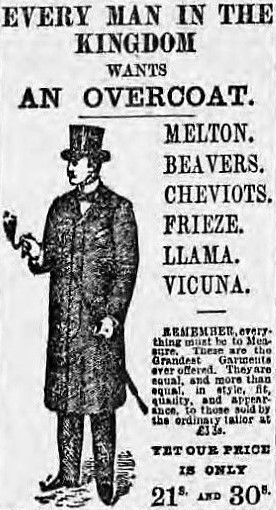
19th cent.—‘button-hold’ was probably mistaken in spoken language for a past form, hence the coinage of ‘buttonhole’ in order to match the original error
Read MoreThe noun ‘spud’, originally the name for the digging implement used to dig up potatoes, was applied to the latter in the 19th century.
Read More
