notes on the British phrase ‘I’ve started, so I’ll finish’

gained currency from its use by Magnus Magnusson on the BBC-Television quiz programme ‘Mastermind’, which he presented from its creation in 1972 until 1997
Read More
“ad fontes!”
gained currency from its use by Magnus Magnusson on the BBC-Television quiz programme ‘Mastermind’, which he presented from its creation in 1972 until 1997
Read More
USA, 1919—‘spare no expense’—also ‘go all out for it’, ‘hand victory on a platter’, ‘allow yourself more of what you want’ (South Africa)
Read More
UK, 1976—from “Heineken. Refreshes the parts other beers cannot reach”, an advertising slogan for Heineken lager, in use from 1975 onwards
Read More
to achieve the impossible—USA, 1881—originally and chiefly used with reference to hair loss treatment
Read More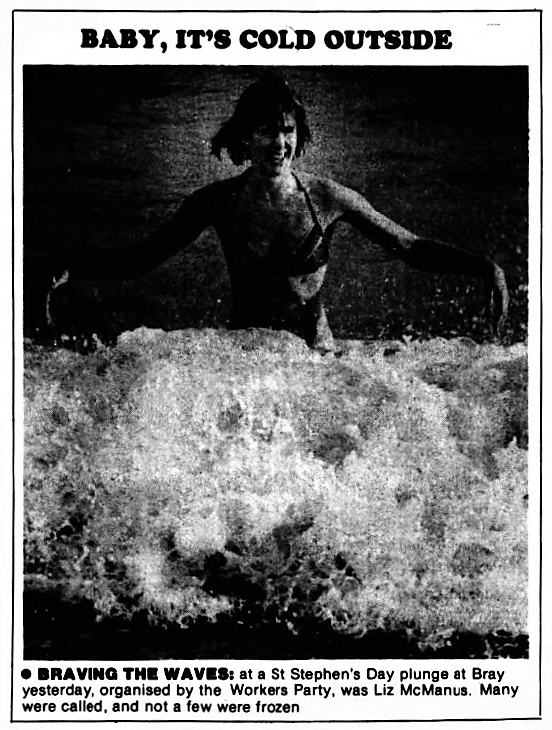
USA, 1885—humorous alteration of ‘many are called (but) few are chosen’, which refers to The Parable of the Workers in the Vineyard (gospel of Matthew, 20:1-16)
Read More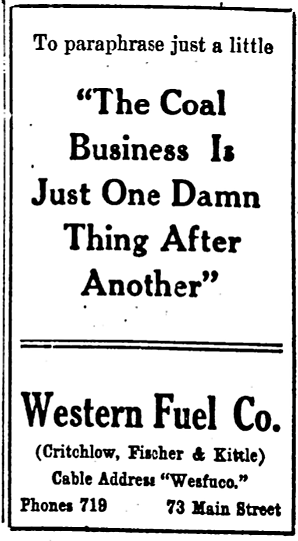
USA, 1909—first with grammatical subject ‘life’, meaning ‘life consists of a succession of unpleasant or unlucky events’—then with other grammatical subjects
Read MoreUK, 1945—with allusion to the former price of admission to public lavatories: to use a public convenience—by extension: to urinate
Read Moreto have no idea at all—Scotland, 1990—‘scooby’ (short for ‘Scooby Doo’, name of cartoon dog in U.S. television series and films): rhyming slang for ‘clue’
Read More
UK, 1935—to conduct oneself adroitly (‘clever’: adverb meaning ‘skilfully’)—originated in boxing
Read More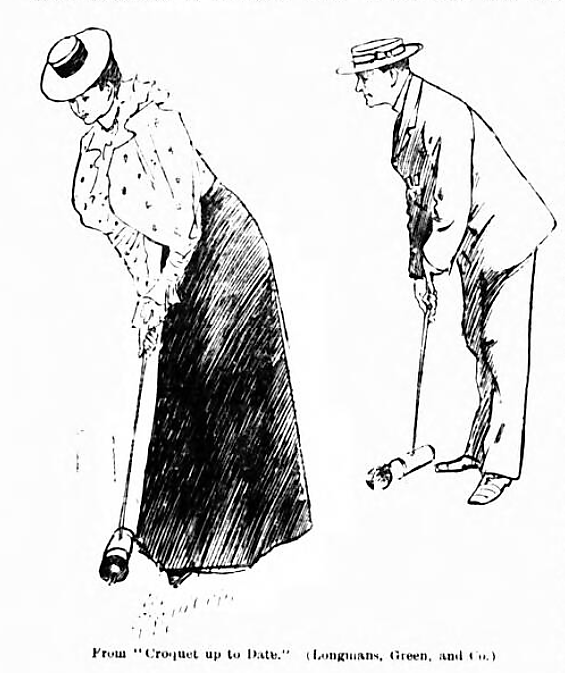
croquet: unenterprising or defensive player or play—from the name of the fictitious author of a chapter on such tactics in Lillie’s ‘Croquet up to Date’ (1900)
Read More word histories