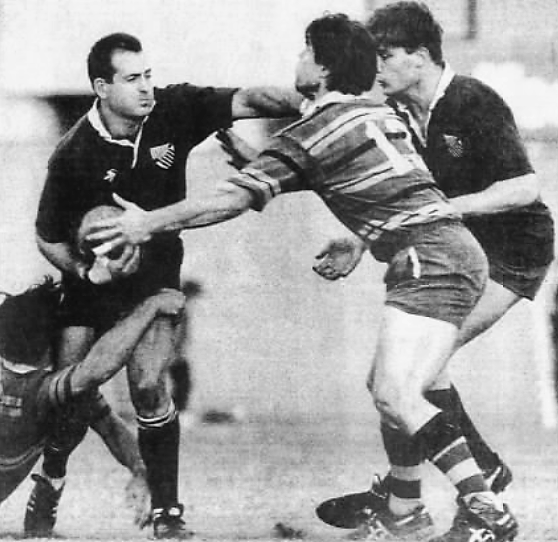
Australia, 1914—the straight-arm fend-off—from advertisements for J. C. Hutton Pty Ltd, depicting a man putting a hand in another man’s face and saying “Don’t argue—Hutton’s bacon is the best”
USA, 1925—With, of course, a pun on ‘pee’, meaning ‘to urinate’, the jocular phrase ‘silent like (the) ‘p’ in swimming’ is used when exposing a difficulty in pronunciation.
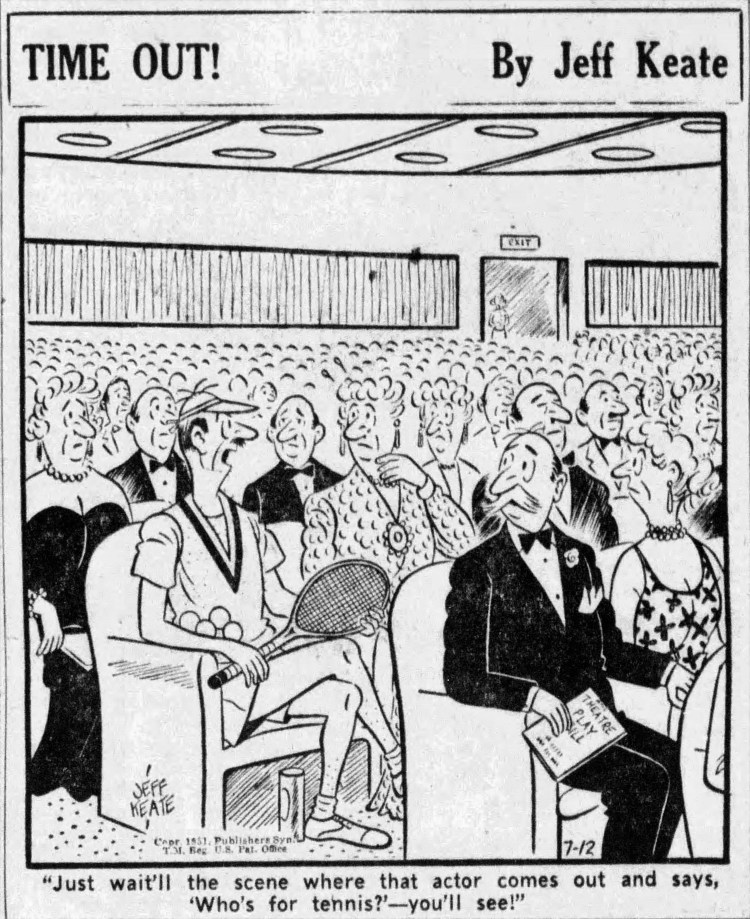
theatre—a typical entrance or exit line given to a young man in a superficial drawing-room comedy—USA 1934—but 1908 in a short story evoking the pastimes of members of the leisured class during a stay at a country house
UK, 1898—Australia, 1913—used when, while addressing someone, the speaker is interrupted by someone else—in particular when the person who interrupts is a subordinate of the person whom the speaker addresses
(baseball) a good fielder, but a poor hitter, i.e., batter—USA, 1925—purportedly coined in 1924 by Miguel Gonzales to describe Moe Berg in a telegram to Mike Kelley
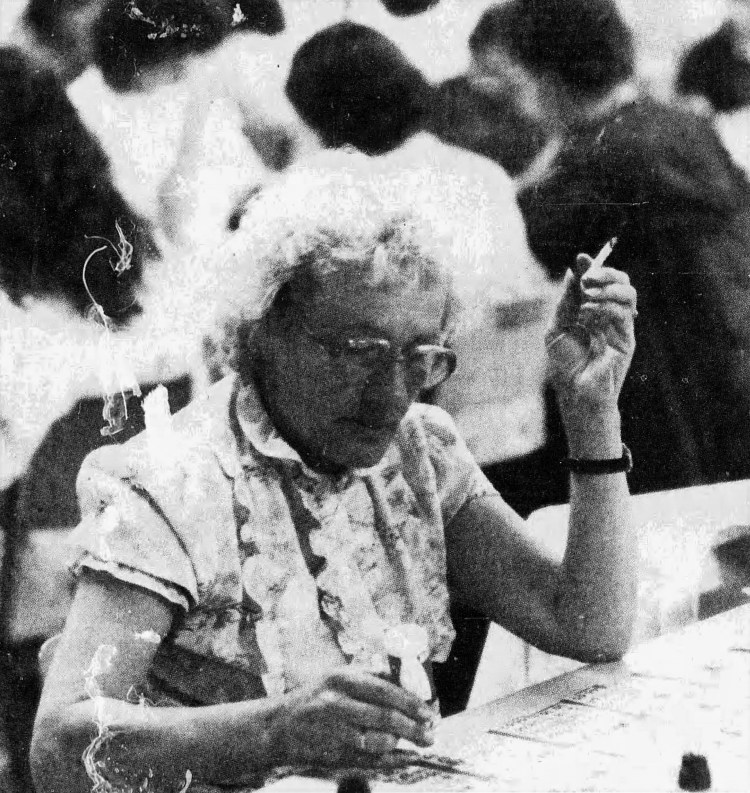
USA, 1992—the folds of loose skin or fat which hang from the undersides of a person’s upper arms—so named because they are common in older women, who are regarded as the type of person most likely to play bingo
USA, 1938—UK, 1961—satirical phrase referring to the addiction to bingo, a game in which players mark off numbers on cards as the numbers are drawn randomly by a caller, the winner being the first person to mark off all their numbers