meaning and origin of ‘eager beaver’
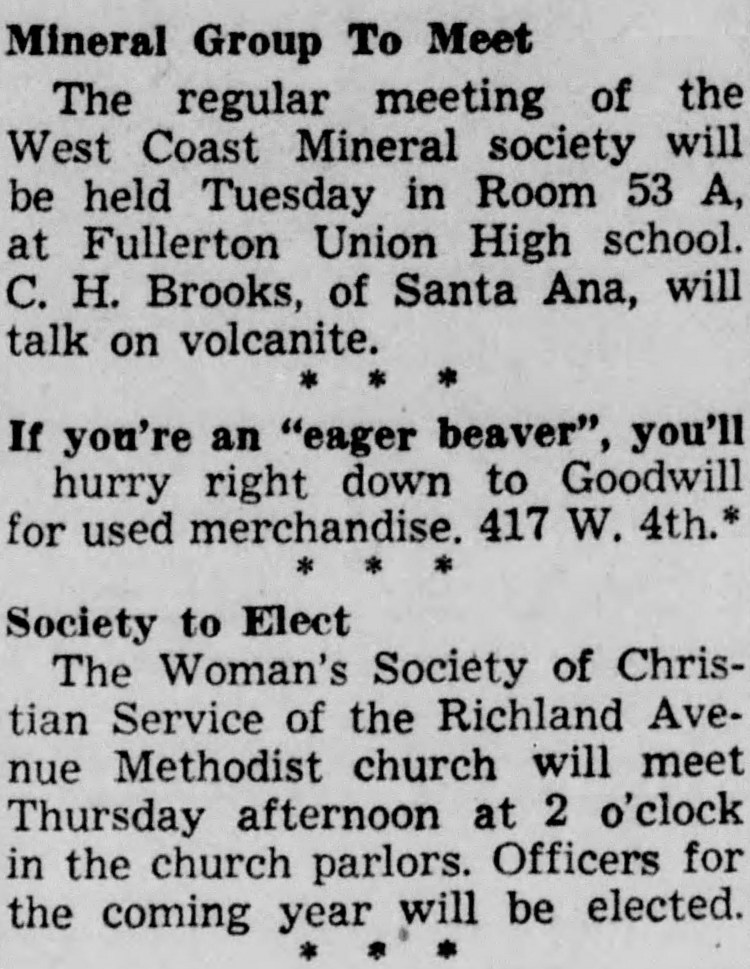
1942—In US Air Force’s slang, ‘eager beaver’ denoted an alert and efficient student cadet, with allusion to the animal’s industriousness.
Read More
“ad fontes!”
1942—In US Air Force’s slang, ‘eager beaver’ denoted an alert and efficient student cadet, with allusion to the animal’s industriousness.
Read More
probably British English, 1880s—to make an effort to improve or reform, ‘to pull oneself together’—based on the image of sprucing oneself up
Read Moreattested 1699—from the hyperbolical phrase ‘to skin a flint’ (1656)—cf. ‘to skin a flea for its hide and tallow’ and French ‘tondre un œuf’ (‘to shave an egg’)
Read More
In Psalms, the subjugated nation of Moab is compared to a vessel used for washing the feet—hence in school slang ‘Moab’: humorous for ‘washroom’, ‘tub’, ‘sink’
Read More
In Latin, short words having complicated irregularities in their forms gave way to simpler words with regular patterns and longer phonetic individualities.
Read Moreto get credit or money by using a fraudulent financial instrument; to send an illicit or secret note; to find out in what direction affairs are tending
Read MoreBritish, 18th century—a mock oath attributed to sailors, meaning ‘may my ship’s beams be broken into pieces’—early variants used by Tobias Smollett
Read More‘the next world’, hence also ‘death’, ‘utter destruction’—1752—a loose, originally slangy, use of the petition ‘Thy kingdom come’ in the ‘Lord’s Prayer’
Read Moreto go off—19th cent.—from a procedure consisting in making a person walk on a straight line drawn with chalk in order to establish whether they are inebriated
Read More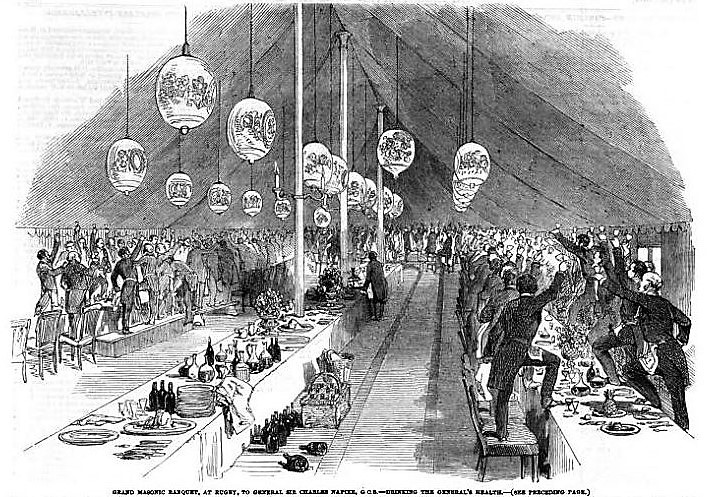
‘beano’, abbreviation of ‘beanfeast’: an enjoyable time; originally an annual dinner, given by employers to employees, or held by organisations or clubs
Read More word histories