First recorded in The Leeds Mercury (Leeds, Yorkshire) of Friday 26 August 1938, the phrase ‘to use one’s loaf’ means ‘to use one’s common sense’. Here, ‘loaf’, a shortening of ‘loaf of bread’, is rhyming slang for ‘head’.
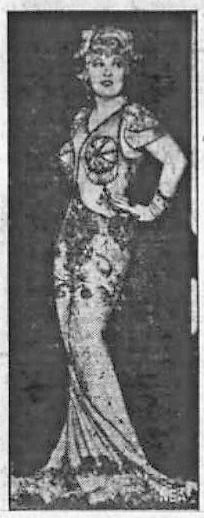
From the name of the American film actress Mae West, renowned for her generous bust, the informal noun ‘Mae West’, attested in 1940, denotes an inflatable life jacket, originally as issued to Royal Air Force aviators during World War II.
The phrase ‘all behind, like a cow’s tail’ and its variants mean ‘left behind’ and ‘late in accomplishing a task’. They appeared in print in the mid-19th century in the USA, Australia and Britain.
UK, early 19th century—private property taken from an enemy in war—originally an Anglo-Indian noun, from Hindi ‘lūṭ’, from Sanskrit ‘luṇṭh-‘, ‘to rob’—came to be also used as slang for ‘money’ and to also denote ‘wedding presents’
British English, first recorded, apparently as army slang, in 1945—probably from ‘bonk’ (= a blow on the head) and the suffix ‘-ers’ as in ‘ravers’ (from ‘raving mad’) and ‘starkers’ (from ‘stark mad’)
First recorded in 1694, ‘Peg Tantrum’ was chiefly used in the phrase ‘to go to Peg Trantum’s’, meaning ‘to go to one’s death’. This word is perhaps from ‘Peg’, rhyming form of ‘Meg’, pet form of the female forenames ‘Margery’ and ‘Margaret’, and from ‘tantrum’.
In British slang, the noun ‘piss-up’ denotes ‘a heavy drinking bout’, and the phrase ‘couldn’t organise a piss-up in a brewery’ and variants mean ‘is’, or ‘are’, or ‘am’, ‘incapable of organising the simplest event, task, etc.’—phrase first recorded in 1980.
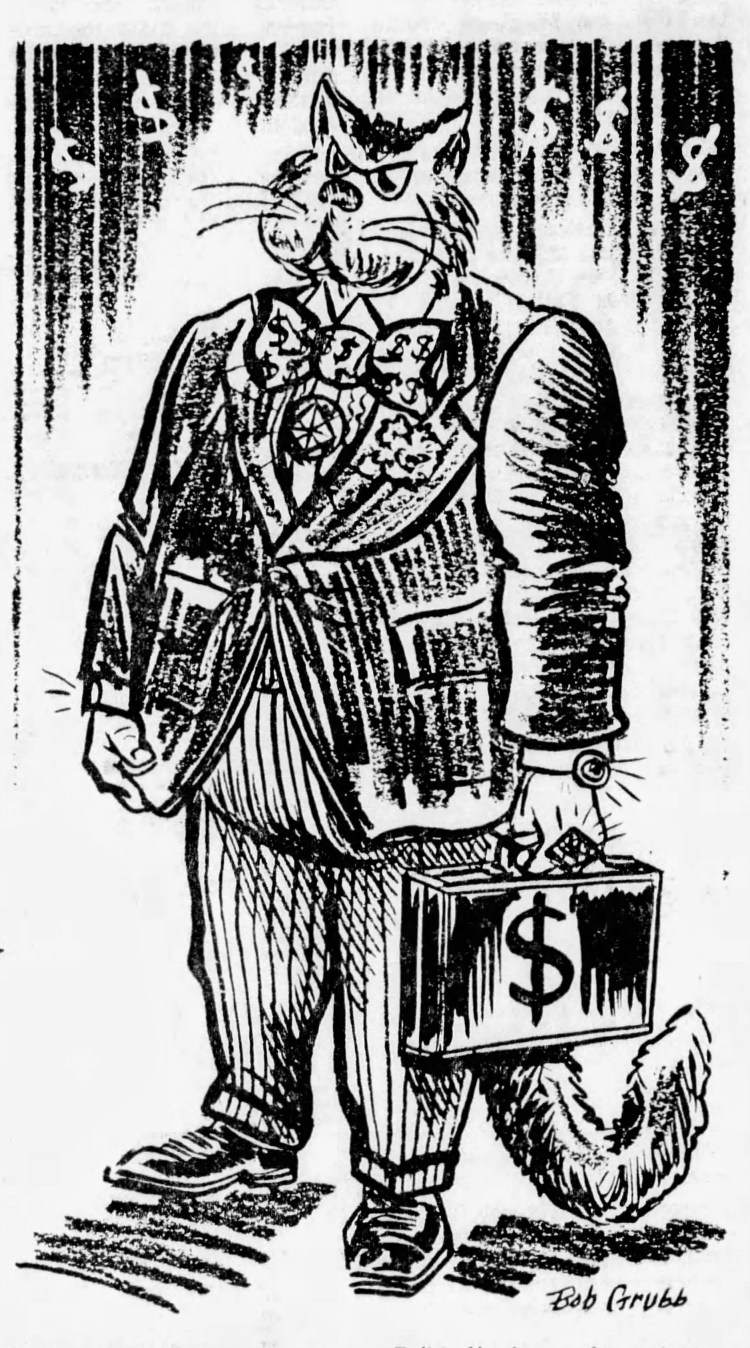
Of American-English origin, the slang term fat cat denotes a wealthy, influential person, especially one who is a heavy contributor to a political party or campaign. The earliest occurrence that I have found is from an article published in The Sun (Baltimore, Maryland) of 1 November 1925.
from army use on the Western Front during World War One: ‘cootie’, ‘body louse’, ‘cooty’, ‘infested with lice’, ‘coot’, ‘louse’, probably ultimately refer to the aquatic bird called ‘coot’, reputed to be lice-infested
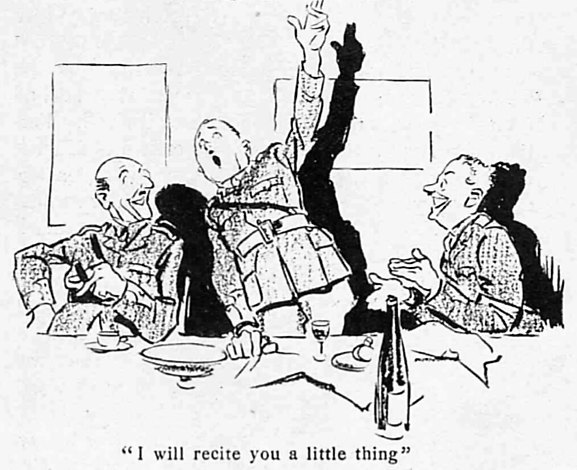
some characteristic slang creations of the British, U.S. and French soldiers during World War One, as recorded in ‘Trench Talk’, published in Everybody’s Magazine (New York) of January 1918

 word histories