conveys derisive self-congratulation for an action that the speaker has done from a sense of duty rather than for pleasure—from a line uttered by Charles Laughton in the 1933 film The Private Life of Henry VIII
used to rebuke an unrealistic conditional—USA, 1808: ‘if my aunt had been my uncle, what would have been her gender?’—France, 1843: ‘si ma tante était un homme, ça serait mon oncle’ (‘if my aunt were a man, that would be my uncle’)
the three traditional interests of the stereotypical New-Zealand man—but also applied to both sexes—1962 or 1963 as the title and in the lyrics of a song by the New-Zealand singer-songwriter Rod Derrett
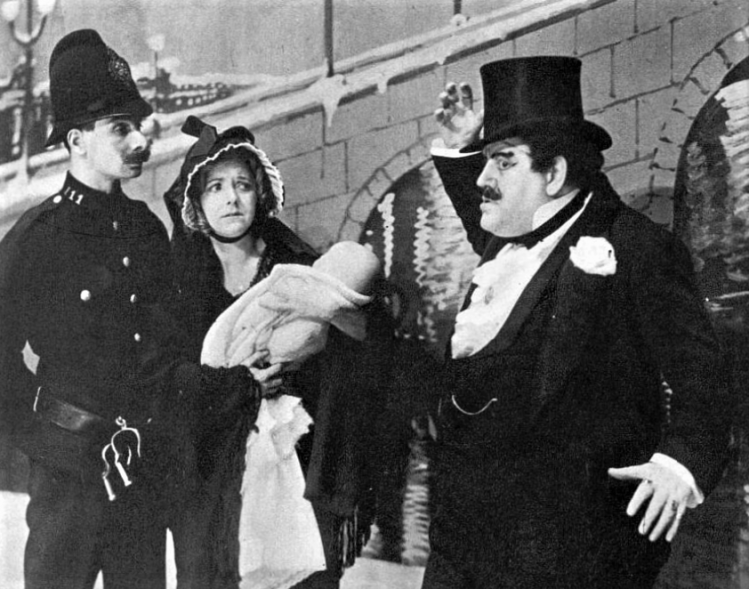
used to characterise melodrama—from the words said over her dead child by Lady Isabel in East Lynne (1874), T. A. Palmer’s stage play adapted from the 1861 novel by the English author Mrs. Henry Wood (Ellen Price)
USA, 1876: from beginning to end, completely, exhaustively—literal meaning, 1852: all the successive parts of a meal, from soup at the beginning to nuts at the end
USA, 1883—exclamation of surprise at seeing something or somebody unexpected—alludes to a hunter who will lament seeing all sorts of game when he goes out into the woods and fields without his gun
USA, 1925—With, of course, a pun on ‘pee’, meaning ‘to urinate’, the jocular phrase ‘silent like (the) ‘p’ in swimming’ is used when exposing a difficulty in pronunciation.
UK—originated in British-Army slang, first to designate an unintelligent person (1943), then any ordinary soldier of the lowest ranks (1945)—finally also, in civilian usage: any ordinary person (1947)
a hypothetical ordinary working man—USA, 1970—refers to a man who buys beer in six-packs—apparently coined by a political informant on the blue-collar area of Fields Corner in Dorchester, neighbourhood of Boston, Massachusetts