Australia, 1981—used by some Aborigines of those who are considered to have betrayed their Aboriginal identity in order to be accepted into the white Australian society—the image is that (like the coconut, dark on the outside, but white on the inside) those Aboriginal ‘betrayers’ are outwardly black, but inwardly white
the government or its policies viewed as overprotective or as interfering unduly with personal choice; a state characterised as having such a government—first coined in 1952 by U.S. journalist Dorothy Thompson—recoined in 1965 by British politician Iain Macleod
Australia—to test somebody’s fortitude; to put pressure on somebody—coined in 1983 by Neville Wran, Premier of New South Wales, to characterise the inexperience of Nick Greiner, the newly elected Leader of the Opposition
Irish English, 1834—extremely cold, literally (i.e., with reference to low temperatures) and figuratively (i.e., with reference to lack of feeling, of emotion)
U.S.—used in reference to several muddy rivers, and, occasionally, to other waterbodies—originally (1890 to 1902) used in reference to the Missouri River
Australia, 1930—describes a person who is reluctant, or very slow, to pay for something—the image is of a snake biting the person when they put their hand in their pocket to get at their money
USA, 1973—a euphemism for a lie—coined on 17th June 1973, during the Watergate scandal, by Ronald Lewis Ziegler, President Richard Nixon’s Press Secretary
UK, 1968—British and Australian: expresses indifference towards, or rejection of, a suggestion—from ‘Umpa, Umpa, Stick It Up Your Jumper’, a song recorded in 1935 by The Two Leslies (Leslie Sarony and Leslie Holmes)
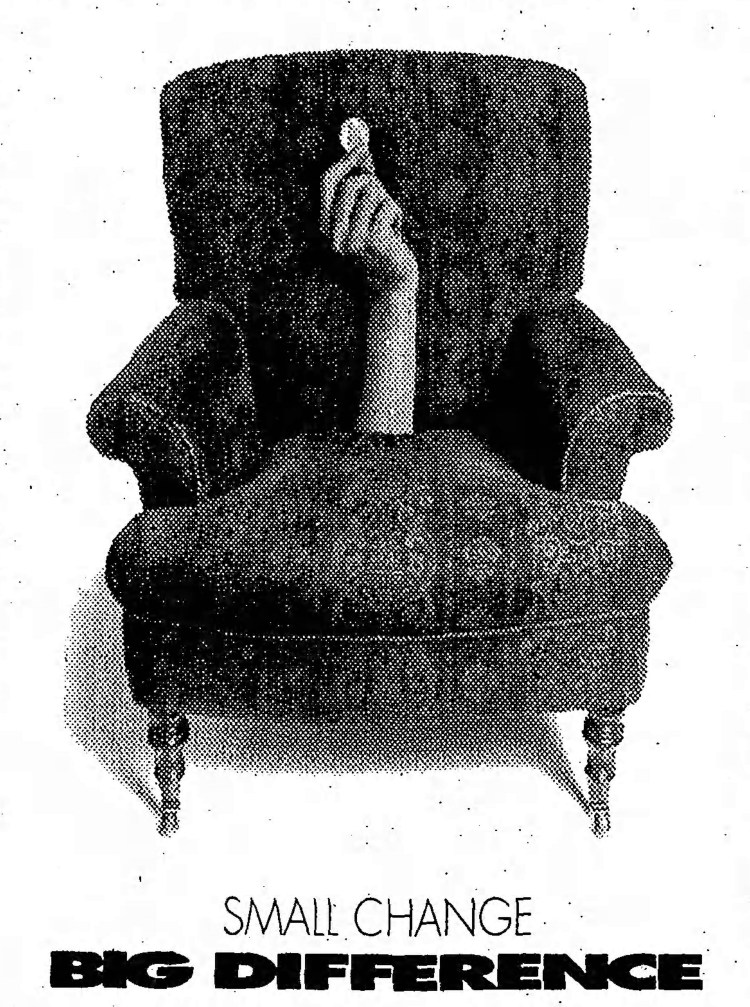
UK and Ireland—the small change that has slipped down between the cushions and the back, or the arms, of a sofa—also used figuratively: public funds that are ‘miraculously’ found; permanent end; wasted money