meaning and origin of ‘like watching paint dry’
USA, 1959—‘like watching paint dry’ or ‘as —— as watching paint dry’:used to denote an extremely dull activity or experience
Read More
“ad fontes!”
USA, 1959—‘like watching paint dry’ or ‘as —— as watching paint dry’:used to denote an extremely dull activity or experience
Read More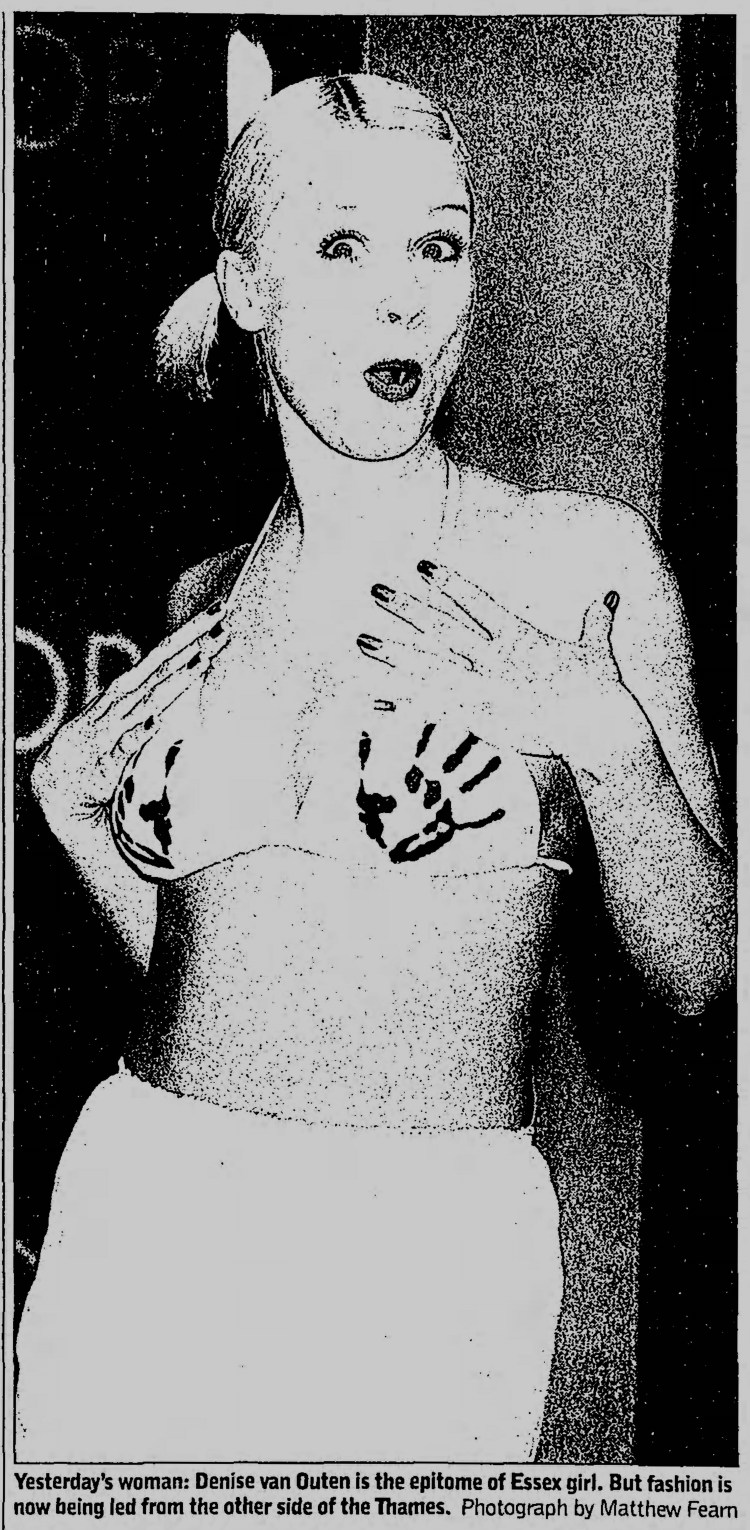
UK, 1990s—either from Romany ‘čhavo’, an unmarried Romani male, a male Romani child, or from English or Anglo-Romany ‘chavvy’, a baby, a child
Read More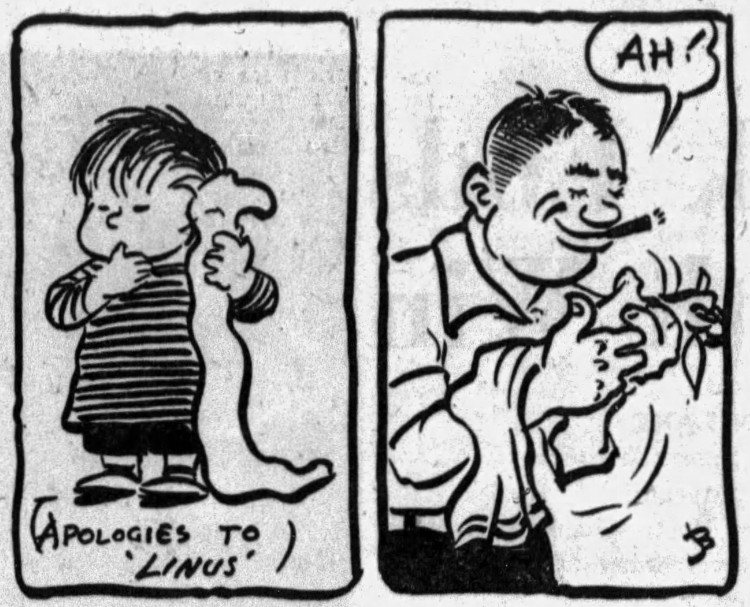
US, 1958: security blanket—from ‘Linus’, the name of a small boy who carries a blanket for comfort in the comic strip ‘Peanuts’, by Charles M. Schulz
Read More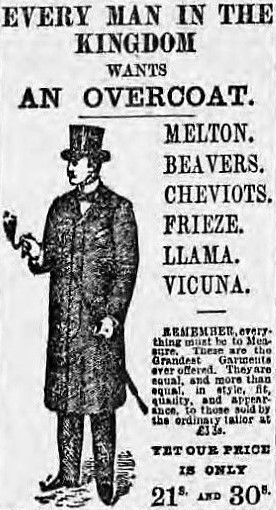
19th cent.—‘button-hold’ was probably mistaken in spoken language for a past form, hence the coinage of ‘buttonhole’ in order to match the original error
Read MoreThe noun ‘spud’, originally the name for the digging implement used to dig up potatoes, was applied to the latter in the 19th century.
Read More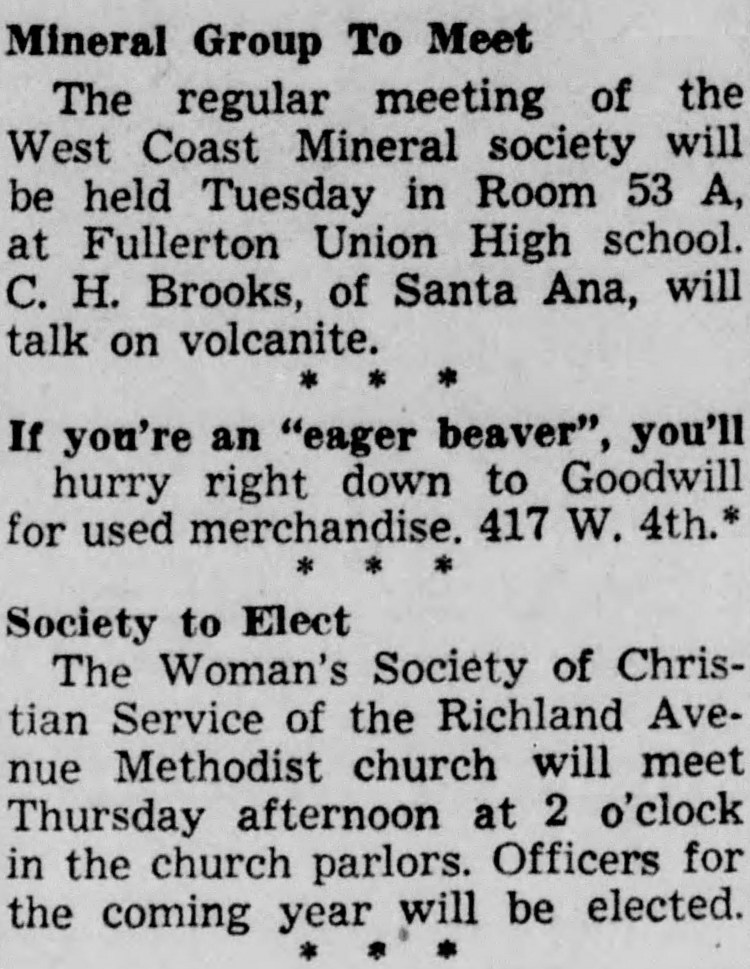
1942—In US Air Force’s slang, ‘eager beaver’ denoted an alert and efficient student cadet, with allusion to the animal’s industriousness.
Read More
UK, 1915—humorous blend of the common noun ‘mummer’ and of the name ‘Somerset’—denotes a pseudo-rustic dialect used by actors and an imaginary rustic county.
Read More
probably British English, 1880s—to make an effort to improve or reform, ‘to pull oneself together’—based on the image of sprucing oneself up
Read More
British, 1810—to use one’s greater age or experience to deceive someone or to shirk a duty—from ‘old soldier’ meaning ‘a person much experienced in something’
Read More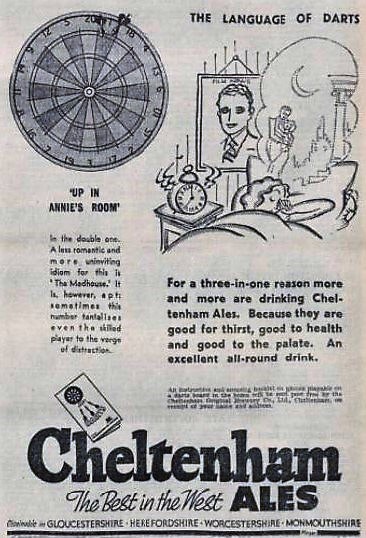
late 1910s: an answer to an enquiry as to the whereabouts of someone who cannot be found—1930s: the space at the top of the dartboard where scores are doubled
Read More
