meaning and origin of ‘one’s best bib and tucker’
18th century, of women’s clothes—‘bib’: a piece of cloth worn between throat and waist; ‘tucker’: a piece of lace or linen worn in or around the top of a bodice
Read More
“ad fontes!”
18th century, of women’s clothes—‘bib’: a piece of cloth worn between throat and waist; ‘tucker’: a piece of lace or linen worn in or around the top of a bodice
Read MoreUK, early 19th cent.—‘shipshape’: arranged properly as things on board ship should be; ‘Bristol fashion’: Bristol was then the major west-coast port of Britain
Read More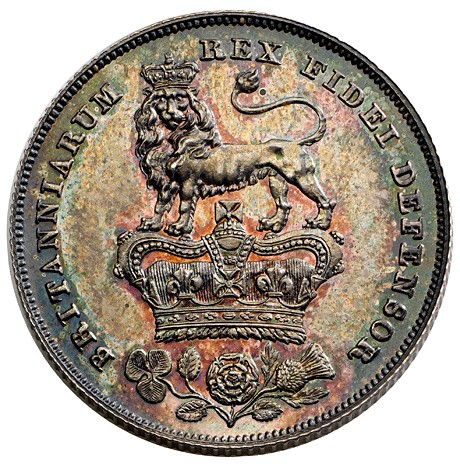
UK, 1707—‘to take the (King’s/Queen’s) shilling’: to sign up as a soldier, from the former practice of giving a shilling to a recruit when he enlisted
Read Morefrom ‘to lose a sheep for a halfpennyworth of tar’—refers to the use of tar to protect sores and wounds on sheep from flies (‘sheep’ was pronounced ‘ship’)
Read More
UK—1903: ‘the man on the Clapham omnibus’, the average or typical person—1844: ‘the Clapham Sect’, a group of social reformers based at Clapham, London
Read More
mid-16th century—meaning: to wait for the death of a person with the expectancy of succeeding to his possessions or office; implies a futile wait
Read MoreUS, 1898: ‘to know one’s onion’ (in the singular), to be very knowledgeable about something — French, 1897: ‘c’est mes oignons’, it’s my own business
Read More
UK, 1929—the attitudes, loyalties, values, etc., associated with British public schools—from the distinctive tie that indicates which school the wearer attended
Read Moreremarks on English phrases (‘to rain cats and dogs’, ‘tit for tat’, ‘the devil to pay’, etc.) – from Notes and Queries (London), 9th November 1861
Read More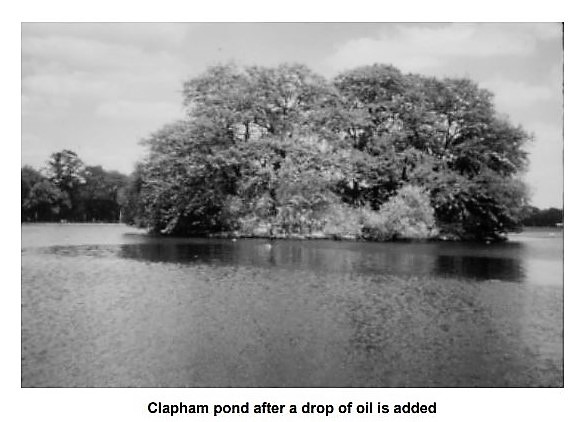
alludes to the calming effect of oil on the agitated surface of water; common knowledge since ancient times, first scientifically observed by Benjamin Franklin
Read More
