origin of the British phrase ‘to go for a burton’
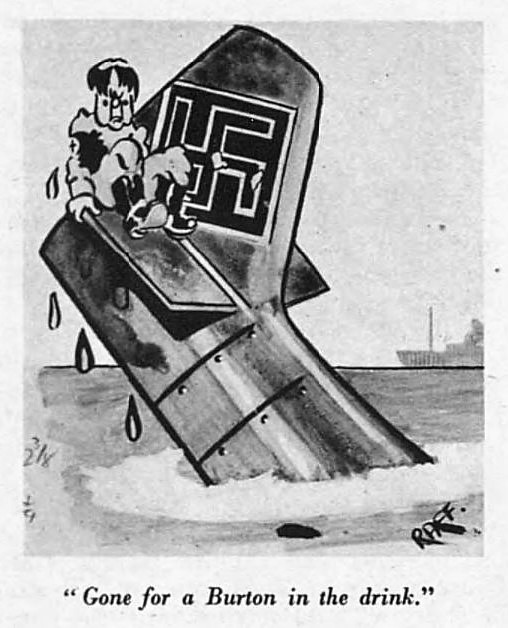
to meet with disaster; to be ruined, destroyed or killed—UK, 1941, RAF slang: (of an airman) to be killed—perhaps from ‘to go for a drink (of Burton ale)’
Read More
“ad fontes!”
to meet with disaster; to be ruined, destroyed or killed—UK, 1941, RAF slang: (of an airman) to be killed—perhaps from ‘to go for a drink (of Burton ale)’
Read More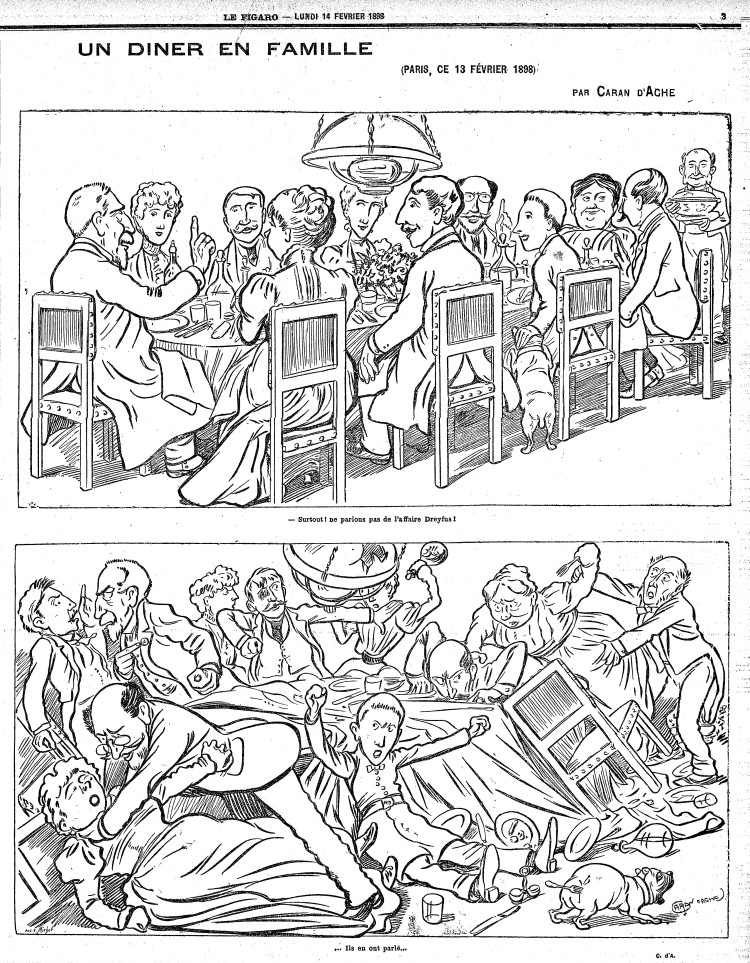
1899—public accusation in response to a perceived injustice—from the title of an open letter (1898) by Émile Zola, condemning the imprisonment of Alfred Dreyfus
Read MoreUK, 1891—‘to take the mickey (or ‘the mike’) out of’: ‘to tease or ridicule’—probably after ‘Mickey (or ‘Mike’) Bliss’, rhyming slang for ‘piss’
Read More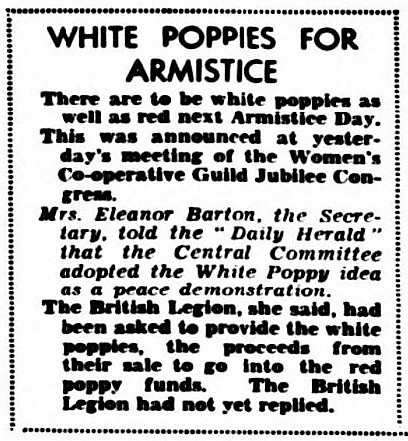
white poppy: introduced in 1933 by the Women’s Co-operative Guild, which wanted it to be made by, and to benefit, ex-servicemen, but the British Legion refused
Read More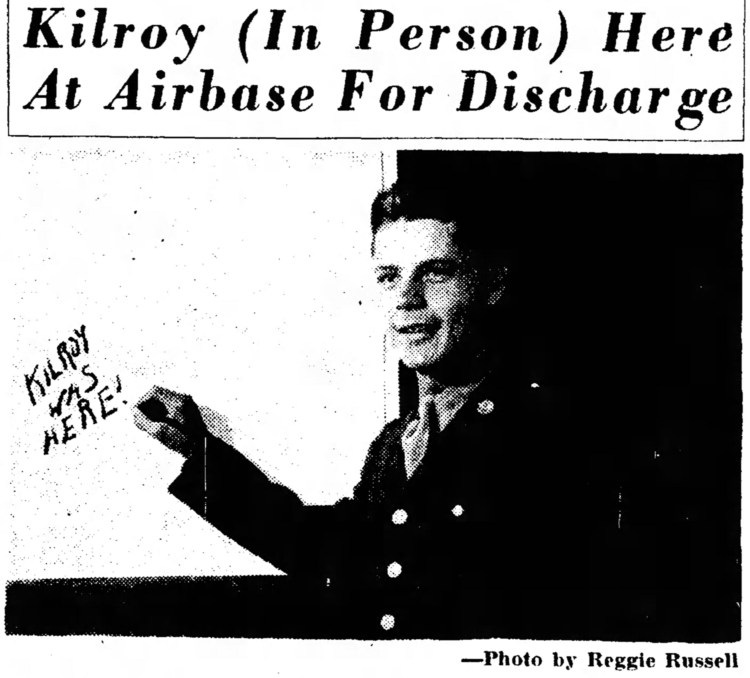
Sgt Francis J. Kilroy’s surname, first written in 1943 by his friend Sgt James Maloney (source: Army Public Relations, in the Tucson Daily Citizen, 8 Nov. 1945)
Read More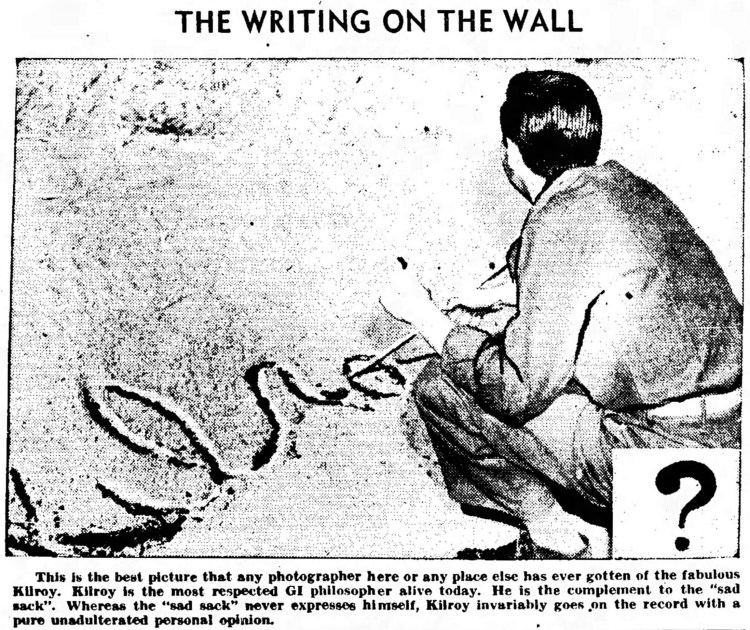
first recorded at Kearns air force base and Salt Lake City, both in Utah, in June and July 1945; originally seen merely as an amusing legend
Read More
UK, 1784—elaborated on the archaic ‘on the spur’, which meant ‘in great haste’ and referred to the use of spurs to urge a horse forward
Read More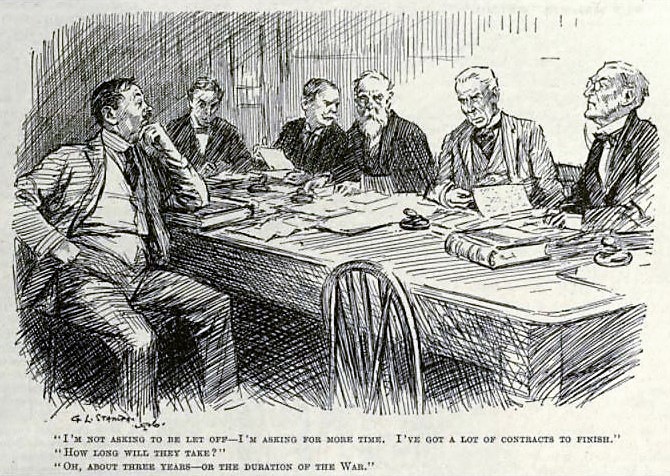
UK, 1917—originally used of the First World War, from the term of enlistment ‘for three’, or ‘four’, ‘years or for the duration of the war’
Read More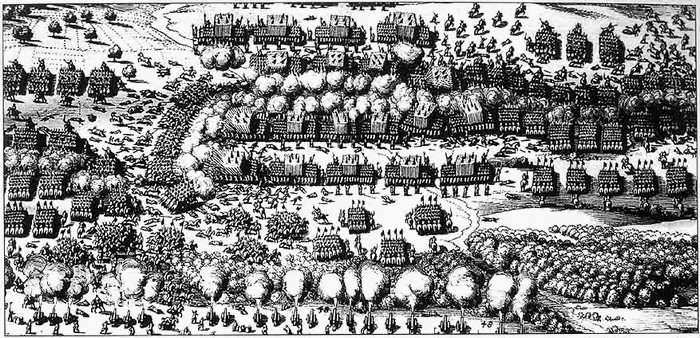
originated in the context of military engagements: ‘day’ denotes ‘a day of contest on the battlefield’ and the phrase means ‘to avert defeat in battle’
Read More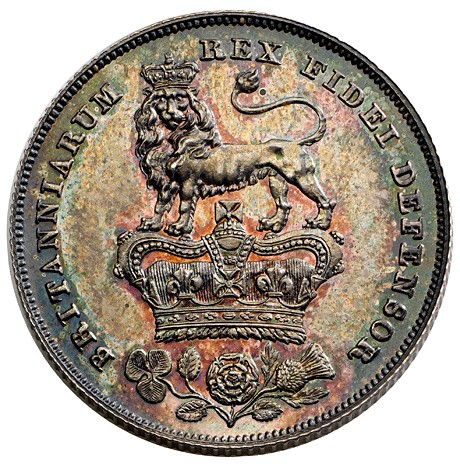
UK, 1707—‘to take the (King’s/Queen’s) shilling’: to sign up as a soldier, from the former practice of giving a shilling to a recruit when he enlisted
Read More word histories