meaning and origin of ‘to be part and parcel of’
from the legal formula ‘part and parcel’, in which both nouns meant ‘an integral portion of something’, the second noun merely reinforcing the first
Read More
“ad fontes!”
from the legal formula ‘part and parcel’, in which both nouns meant ‘an integral portion of something’, the second noun merely reinforcing the first
Read More
UK, 1826—from the eponymous character played by John Liston in a comedy by John Poole, which premiered at the Haymarket Theatre, London, on 13th September 1825
Read More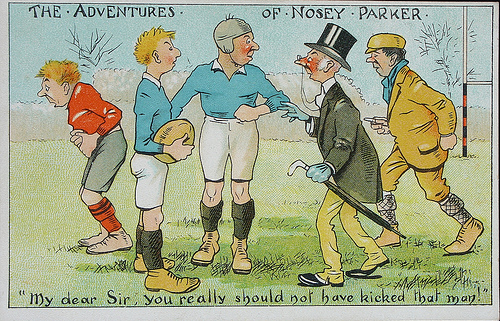
UK, late 19th century—apparently with reference to a probably fictitious individual named Parker, taken as the type of someone inquisitive
Read More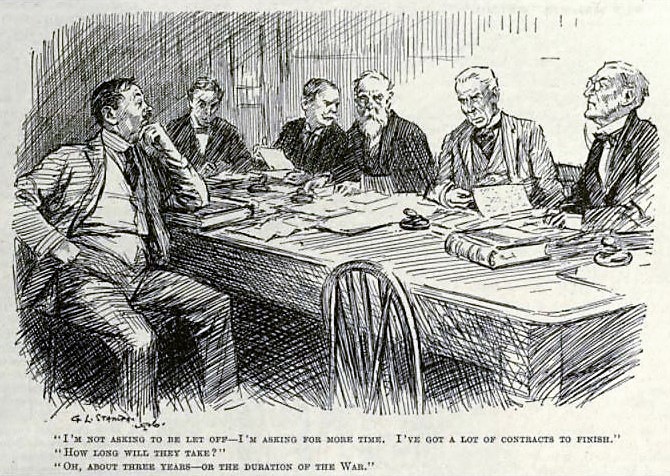
UK, 1917—originally used of the First World War, from the term of enlistment ‘for three’, or ‘four’, ‘years or for the duration of the war’
Read More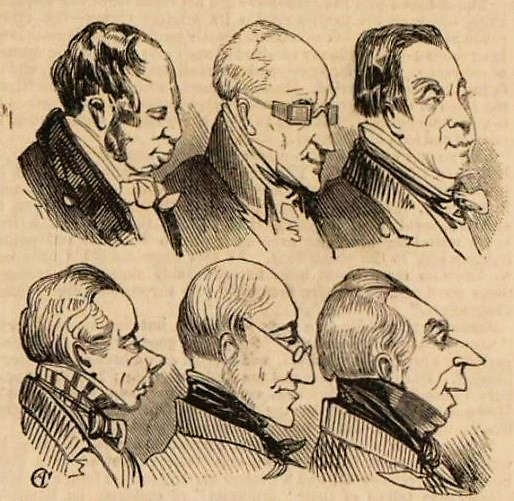
UK—1903: ‘the man on the Clapham omnibus’, the average or typical person—1844: ‘the Clapham Sect’, a group of social reformers based at Clapham, London
Read More
British, 1810—to use one’s greater age or experience to deceive someone or to shirk a duty—from ‘old soldier’ meaning ‘a person much experienced in something’
Read More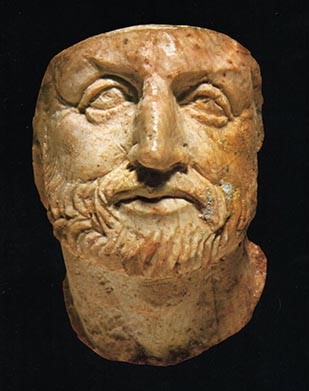
from the story of a woman who, having been unfairly judged by King Philip of Macedon while he was drunk, urged him to reconsider his decision when sober
Read More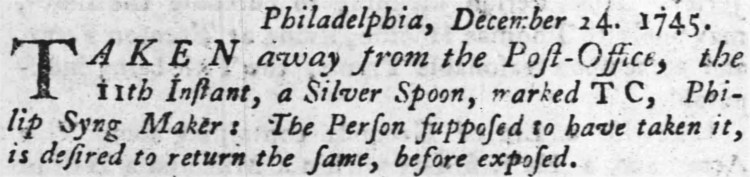
alludes to the gift of a spoon to a child at its christening—1762 as ‘one man is born with a silver spoon in his mouth, and another with a wooden ladle’
Read More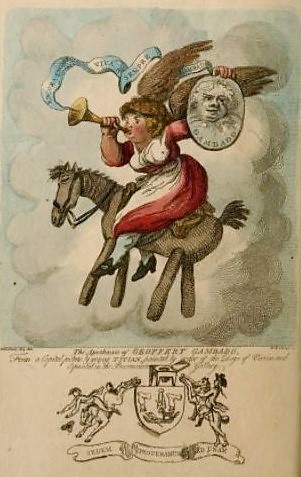
from Medieval Latin ‘paraphernalia’, short for ‘paraphernalia bona’, ‘married woman’s property’, i.e. the goods which a bride brings over and above her dowry
Read More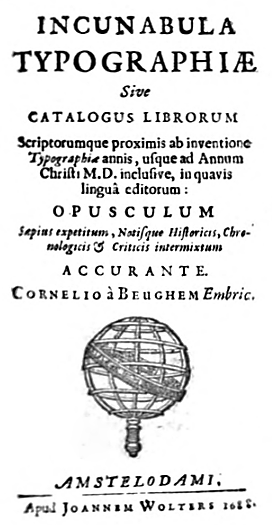
Latin ‘incunabula’: ‘swaddling clothes’, hence ‘beginning’—denotes the early printed books (from the 1450s to the end of the 15th century)
Read More word histories