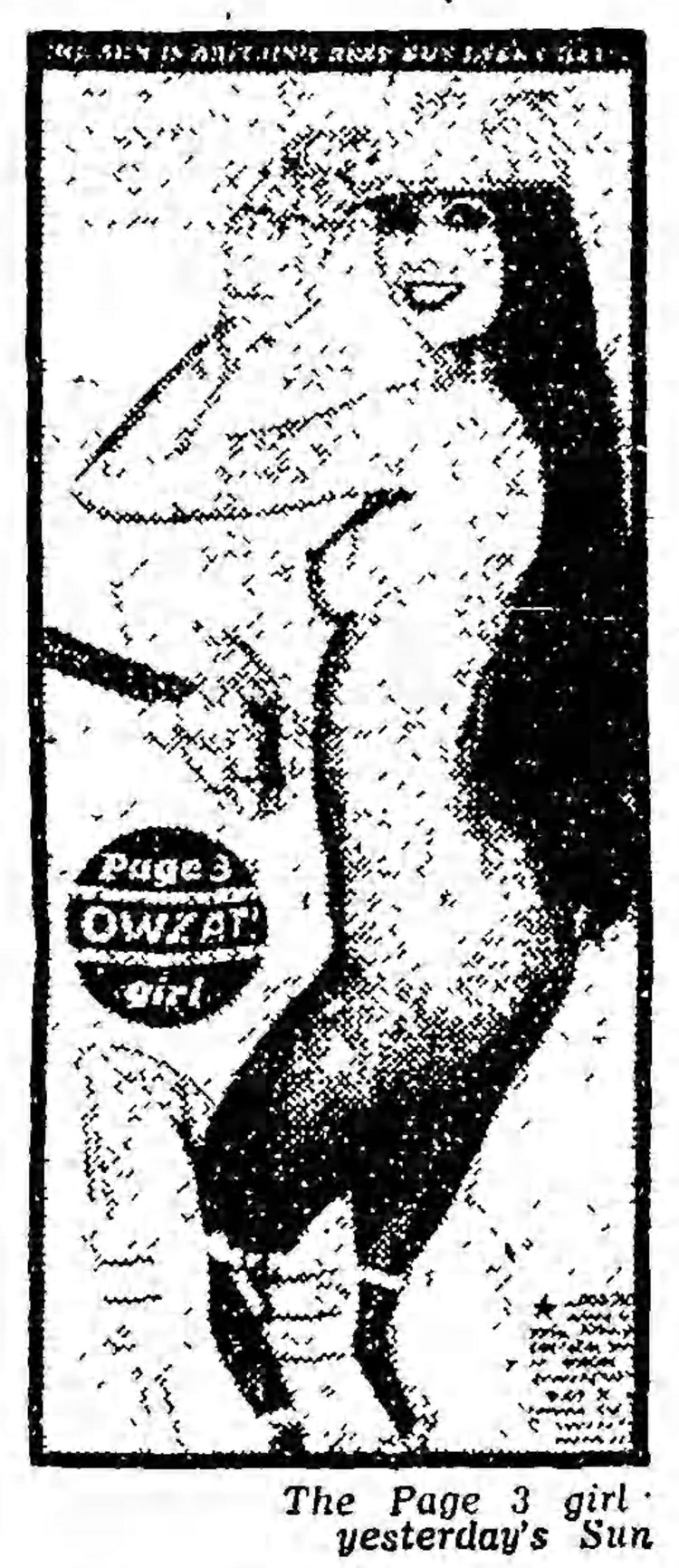
British English—‘Page Three’, or ‘Page 3’: a feature which appeared daily on page three of the British tabloid The Sun (London), and included a pin-up picture of a topless or nude young woman; this feature first appeared on 17 November 1970.
A diminutive of ‘pūpa’ (‘a girl’, in transferred use also ‘a doll’), the Latin feminine noun ‘pūpilla’ came to also denote ‘the pupil of the eye’ on account of one’s own reflection seen when looking into somebody’s eye—the same metaphor underlies ‘to look babies in somebody’s eyes’.
The noun red tape, meaning excessive bureaucracy or adherence to official rules and formalities, refers to the use of woven red tape to tie up bundles of legal documents and official papers; the literal meaning is first recorded in 1658, the figurative meaning in 1736.
The phrase ‘to go to pot’ means ‘to be ruined or destroyed’, ‘to go to pieces’, ‘to deteriorate through neglect’. The allusion is to the cutting up of meat into pieces ready for the cooking-pot, as several 16th-century texts make clear.
The verb ‘elope’ now means ‘to run away secretly in order to get married’, but it originated in Anglo-Norman as a legal term meaning, of a wife, ‘to run away from her husband with a paramour’.
UK, early 19th century—an imaginary street where people in difficulties, now especially financial ones, are supposed to reside—urban counterpart of ‘Dicky’s meadow’
UK, 1919—possibly a mere euphemism for having too much to drink, regardless of the actual number of drinks that have been consumed (‘eight’ probably arbitrary)
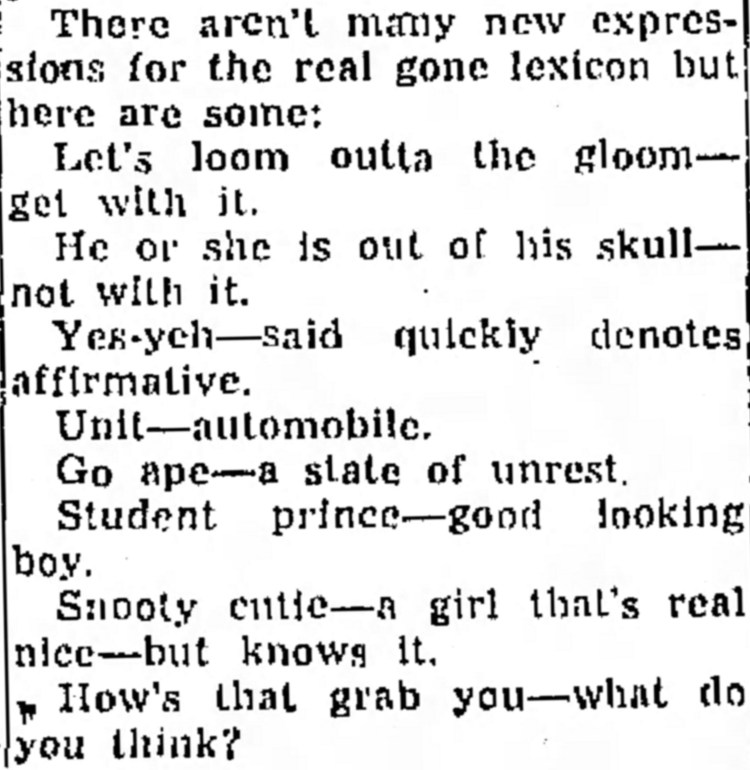
USA—‘not part of a particular exclusive group’, 1955—‘out of one’s mind’, 1958—‘smashed out of one’s skull’ (= ‘drunk’, 1963)—‘bored out of one’s skull’, 1967


 word histories