‘the rough end of the pineapple’: meaning and origin
‘the rough end of the pineapple’: harsh or unfair treatment—said to be an Australian phrase, but may have originated in the USA in the mid-20th century
Read More
“ad fontes!”
‘the rough end of the pineapple’: harsh or unfair treatment—said to be an Australian phrase, but may have originated in the USA in the mid-20th century
Read More
original meaning of ‘kidnap’, late 17th century—to steal or carry off children or others in order to provide servants or labourers for the American plantations
Read Moreto get credit or money by using a fraudulent financial instrument; to send an illicit or secret note; to find out in what direction affairs are tending
Read More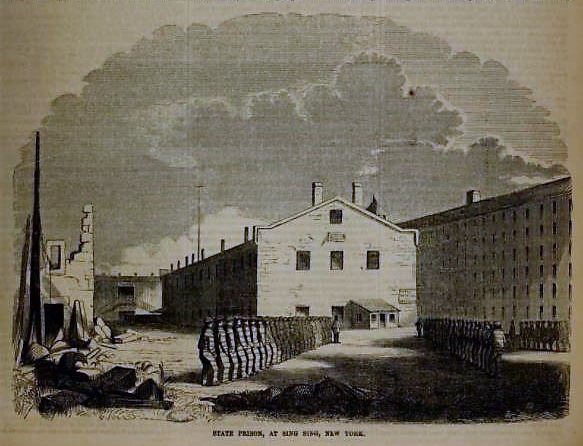
US, 19th cent.—‘to send up the river’ (to send to prison)—originally referred to Sing Sing prison, situated up the Hudson River from the city of New York
Read More
This phrase originated in the history of American slavery: the river was the Mississippi and down implied the transfer of slaves from north to south.
Read Morefrom the bakers’ former practice of adding a loaf to a dozen, either as a safeguard against accusations of giving light weight or as the retailer’s profit
Read More
‘no man’s land’—first a place of execution outside London; then a mass burial ground during the Black Death; later an unoccupied zone between opposing forces
Read More
UK, late 19th cent.—probably a rendering of an Irish patronym, based on stereotypes generated by Irish immigration to Britain and popularised by theatre
Read More‘To eavesdrop’ originally referred to standing within the eavesdrop (the ground on to which water drips from the eaves of a house) in order to overhear what is going on inside.
Read Moreto return to the matter in hand—from French ‘revenons à nos moutons’ (‘let’s return to our sheep’), allusion to ‘La Farce de Maistre Pierre Pathelin’ (ca 1457)
Read More word histories