the emergence of ‘boycott’ in The Freeman’s Journal, Dublin, in 1880
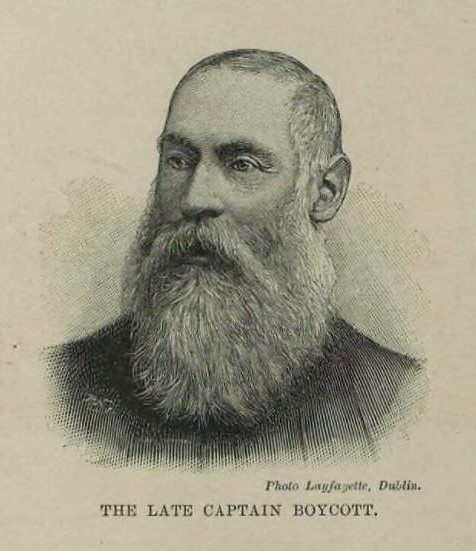
from the name of Captain Charles C. Boycott, land agent in Ireland, who was ostracised for refusing to reduce rents during the Land League agitation in 1880
Read More
“ad fontes!”
from the name of Captain Charles C. Boycott, land agent in Ireland, who was ostracised for refusing to reduce rents during the Land League agitation in 1880
Read More
from the image of breaking the frozen surface of a river in order to make a passage for boats – probably from Latin ‘scindere glaciem’, in Erasmus’s Adages
Read More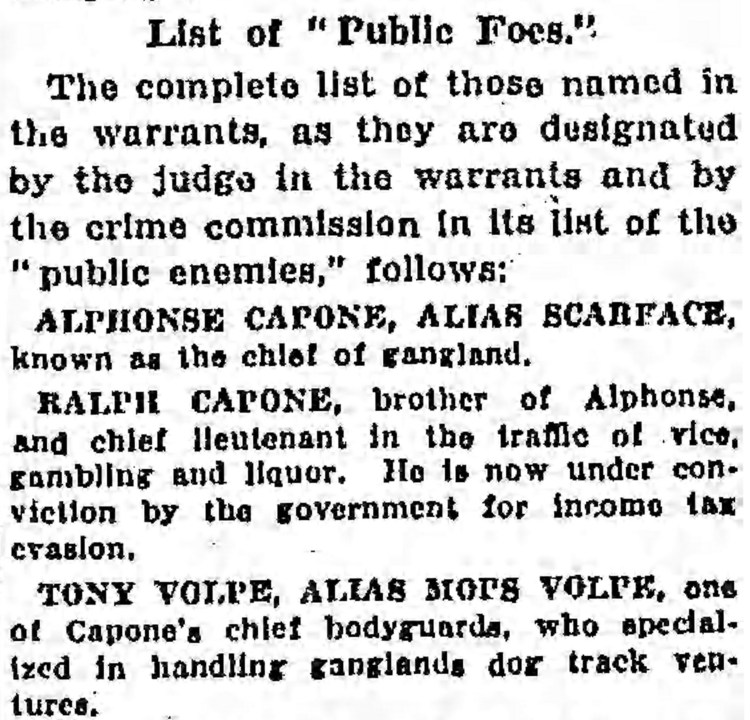
origin: the American gangster Al Capone was number one on the list of 26 ‘public enemies’ drawn up in 1930 by the Chicago crime commission.
Read More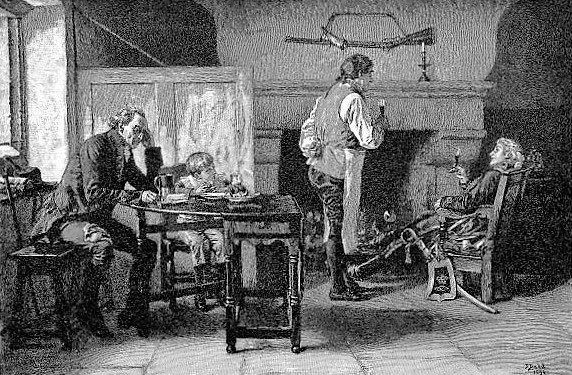
‘small beer’: ‘person(s) or matter(s) of little or no importance’ (first use by Shakespeare), from the literal sense ‘beer of a weak, poor or inferior quality’
Read More
The phrase ‘to have someone’s guts for garters’, used as a hyperbolical threat, is first recorded in the late 16th century.
Read More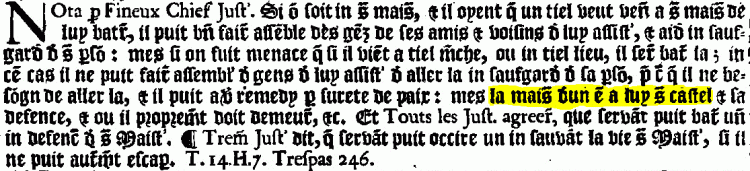
19th century—edulcoration of the legal notion of the fortress-like security of the English home, dating from the early 16th century
Read More
‘according to Hoyle’: according to plan or the rules—early 19th century: from the name of Edmond Hoyle (1672-1769), English writer on card games
Read Moreto go off—19th cent.—from a procedure consisting in making a person walk on a straight line drawn with chalk in order to establish whether they are inebriated
Read More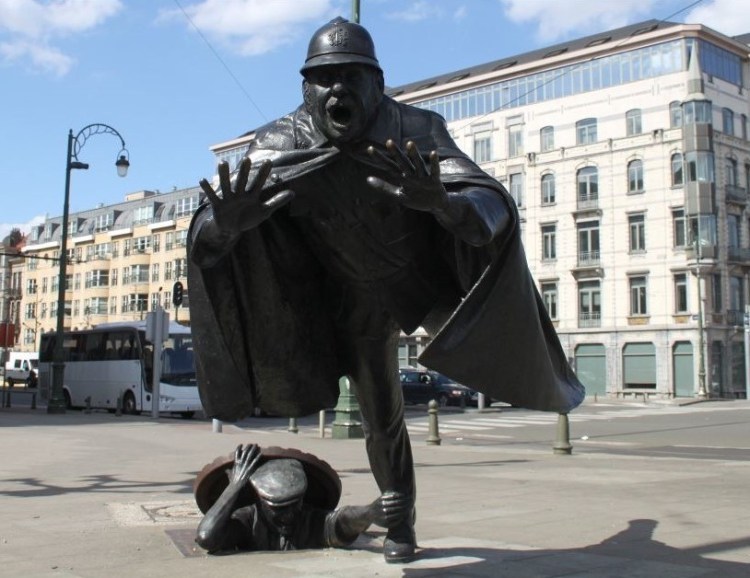
‘To pull someone’s leg’ is perhaps from the image of tripping someone literally or figuratively, of putting them at a disadvantage to make them appear foolish.
Read More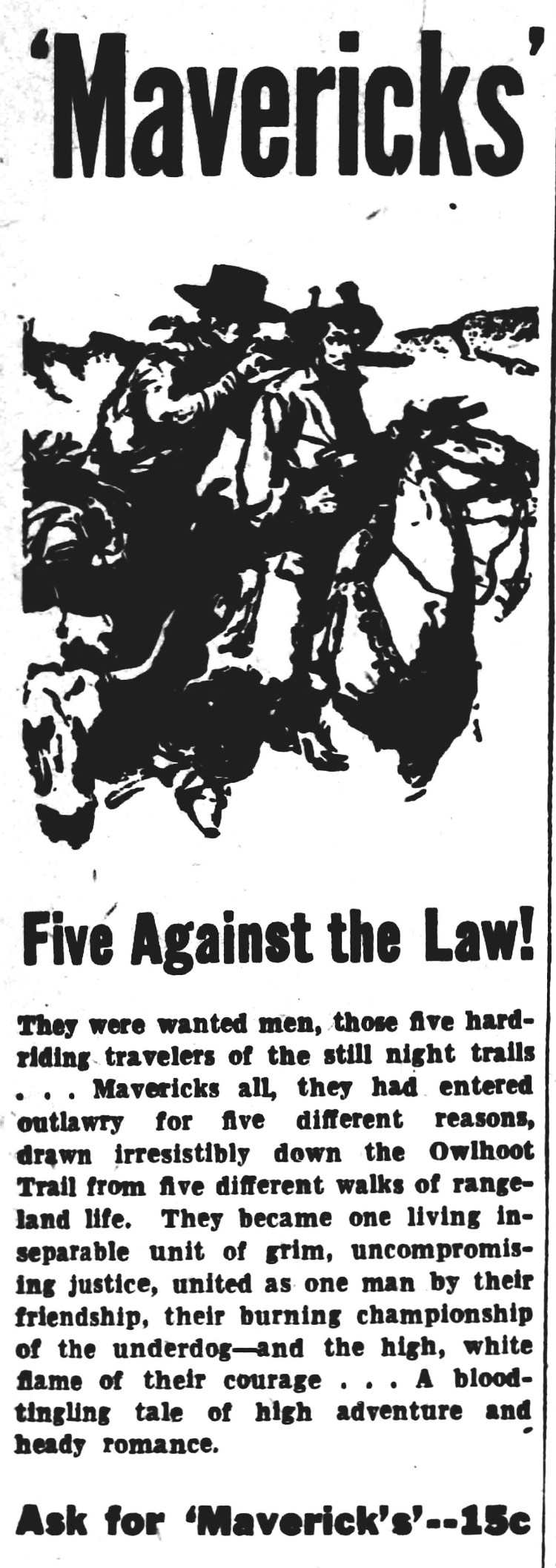
Coined after ‘cock-crow’, ‘owl-hoot’ means ‘dusk’. It denotes ‘an outlaw’ in Wild West fiction, hence, generally, ‘a worthless or contemptible person’.
Read More word histories