meaning and origin of the phrase ‘to have bats in one’s belfry’
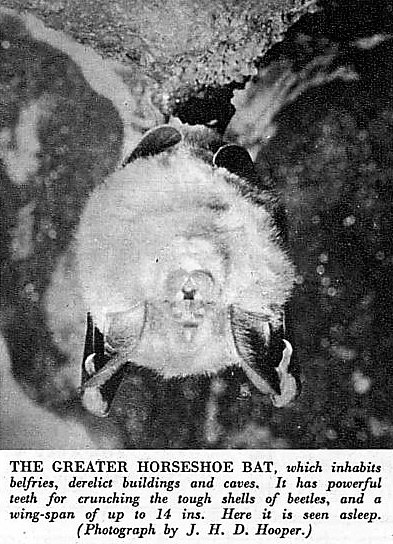
Of American-English origin, ‘to have bats in one’s belfry’ is from the image of bats flying around when disturbed, like confused thoughts in a disordered mind.
Read More
“ad fontes!”
Of American-English origin, ‘to have bats in one’s belfry’ is from the image of bats flying around when disturbed, like confused thoughts in a disordered mind.
Read MoreThe phrase perhaps originated in laws or customs regulating the gathering of firewood by tenants; it was perhaps a legal formula in which ‘crook’ merely reinforced ‘hook’.
Read More
In ‘hung parliament’, ‘hung’ means ‘in which no political party has an overall majority’ – cf. the US expression ‘hung jury’, where ‘hung’ means ‘unable to decide’.
Read More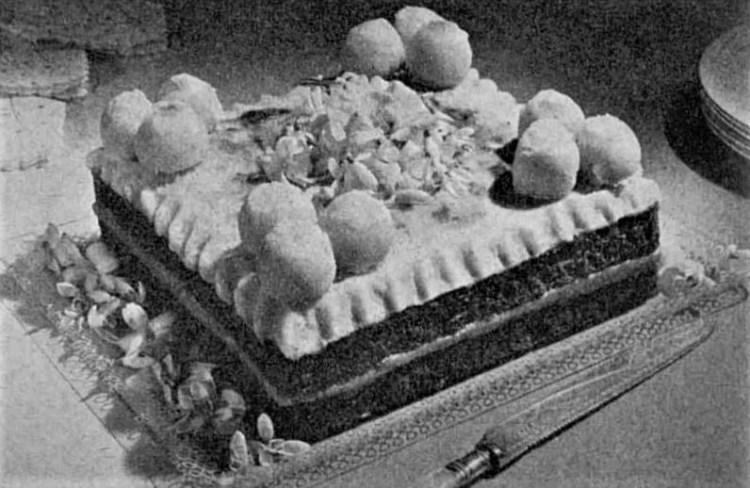
The theory that the custom of visiting one’s mother on mid-Lent Sunday derived from the custom of going to one’s mother church on that day is no proven.
Read More
‘Over the top’, which means ‘excessive’, originated as a WWI expression meaning ‘over the parapet of a trench and into battle’.
Read More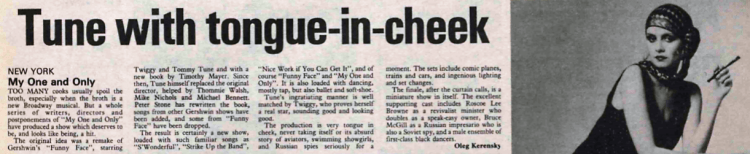
The phrase ‘(with) tongue in cheek’ originally referred to a sign of contempt or derision consisting in sticking one’s tongue in one’s cheek.
Read More
plate 19: La Trénis, Contredanse source: gallica.bnf.fr / Bibliothèque Nationale de France from the 1931 reprint of the caricatures published under the title of Le Bon Genre (1827 edition), including Observations sur les modes et les usages de Paris; the following comment about La Trénis accompanies this plate: (Année 1805.) Cette danse porte le […]
Read More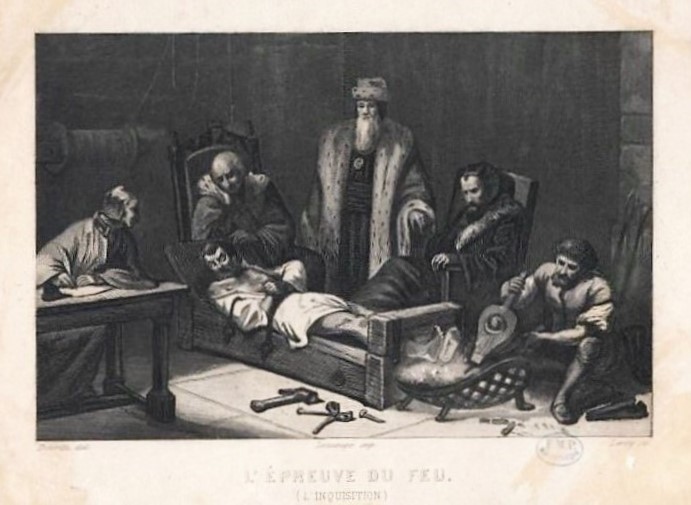
L’épreuve du feu (l’inquisition) by Devritz (painter) and Leroy (engraver) – date unknown source: BIU Santé The original meaning of the noun ordeal, from Old English ordāl, ordēl, is: an ancient test of guilt or innocence by subjection of the accused to severe pain, survival of which was taken as divine proof […]
Read More
The noun marble, denoting a hard crystalline metamorphic rock resulting from the recrystallization of a limestone, is from Anglo-Norman forms such as marbre and marbelle, and from Old-French forms such as marbre, maubre and mabre, from classical Latin marmor. This Latin noun is from ancient Greek μάρμαρος (= mármaros), shining stone, marble, of […]
Read More
The pharmaceutical firm Burroughs, Wellcome & Company was founded in London in 1880 by the American-born entrepreneurs Silas Burroughs (1846-95) and Henry Wellcome (1853-1936). They registered the name Tabloid (with capital initial) on 14th March 1884, as a trademark for concentrated drugs and medicines in tablet form. (It remains a proprietary name to this day.) The firm applied the […]
Read More word histories