the Christian-Latin origin of ‘Noël’
French—from the noun use of the Latin adjective ‘natalis’ (from Christian-Latin ‘natalis dies’, ‘day of birth’), denoting the festival of the nativity of Christ
Read More
“ad fontes!”
French—from the noun use of the Latin adjective ‘natalis’ (from Christian-Latin ‘natalis dies’, ‘day of birth’), denoting the festival of the nativity of Christ
Read Moreorigin: a rower who does not pull the oar with a force appropriate to his or her weight fails to make the contribution expected by the rest of the crew
Read More
refers to the rarity of white elephants and to the story that the king of Pegu waged war on the king of Siam, who had refused to sell him one
Read More
first half of the 18th century—‘clap trap’: a use of language designed to capture (i.e. trap) a theatrical audience’s applause (i.e. clapping)
Read More
UK, 1972—‘XXXX’: a euphemistic substitute for a four-letter swear word, usually ‘fuck’—it did not originally refer to the Australian lager Castlemaine XXXX
Read Morefrom Spanish ‘vamos’, ‘let us go’—first recorded as ‘vamos’ in ‘Every Night Book; or, Life after Dark’ (London, 1827), by the English author William Clarke
Read More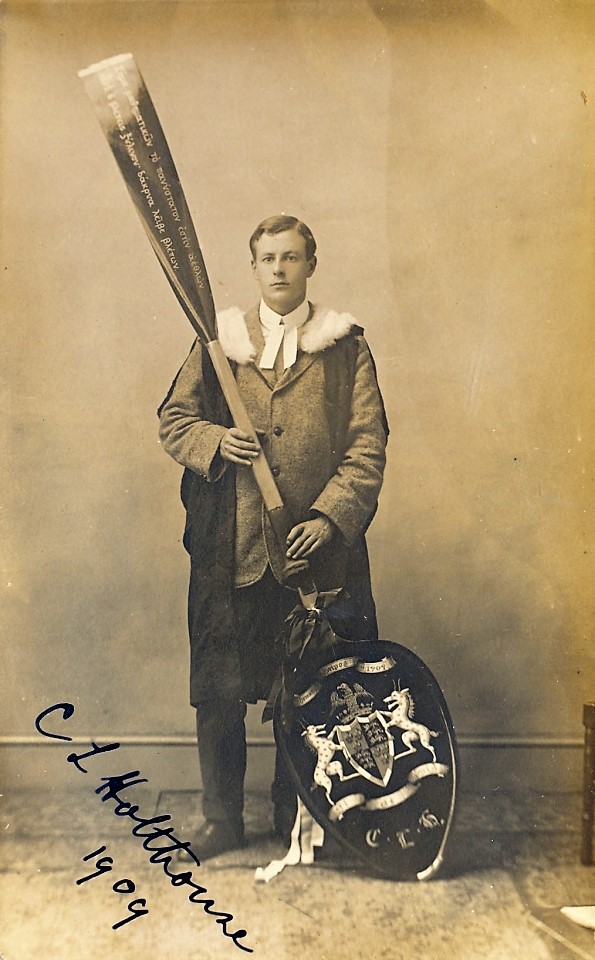
originally, at Cambridge University: oversized wooden spoon given to the candidate coming last in the mathematical tripos (BA-degree final honours examination)
Read More
from ‘Full Fathom Five’, Ariel’s song to Ferdinand in ‘The Tempest’, by Shakespeare, where ‘sea change’ denotes a change brought about by the action of the sea
Read MoreThe image of the deaf adder originated in the Book of Psalms, 58:4-5: “the deaf adder that stoppeth her ear; which will not hearken to the voice of charmers”.
Read More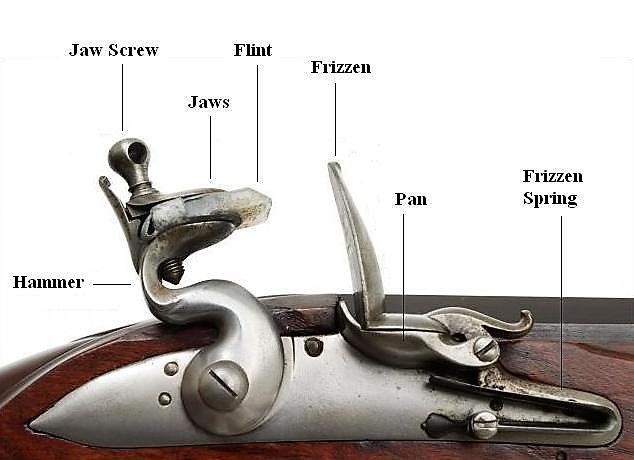
‘flash in the pan’: originally referred to the priming gunpowder flaring up in the flash-pan without then exploding the main charge in the barrel of a firearm
Read More word histories