the Shakespearean origin of ‘sea change’

from ‘Full Fathom Five’, Ariel’s song to Ferdinand in ‘The Tempest’, by Shakespeare, where ‘sea change’ denotes a change brought about by the action of the sea
Read More
“ad fontes!”
from ‘Full Fathom Five’, Ariel’s song to Ferdinand in ‘The Tempest’, by Shakespeare, where ‘sea change’ denotes a change brought about by the action of the sea
Read MoreThe image of the deaf adder originated in the Book of Psalms, 58:4-5: “the deaf adder that stoppeth her ear; which will not hearken to the voice of charmers”.
Read More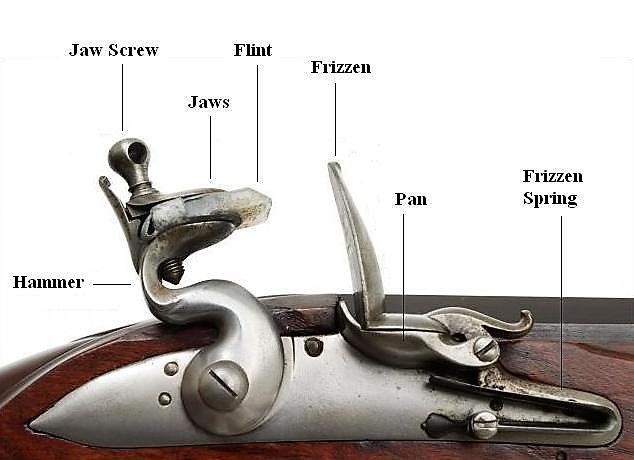
‘flash in the pan’: originally referred to the priming gunpowder flaring up in the flash-pan without then exploding the main charge in the barrel of a firearm
Read More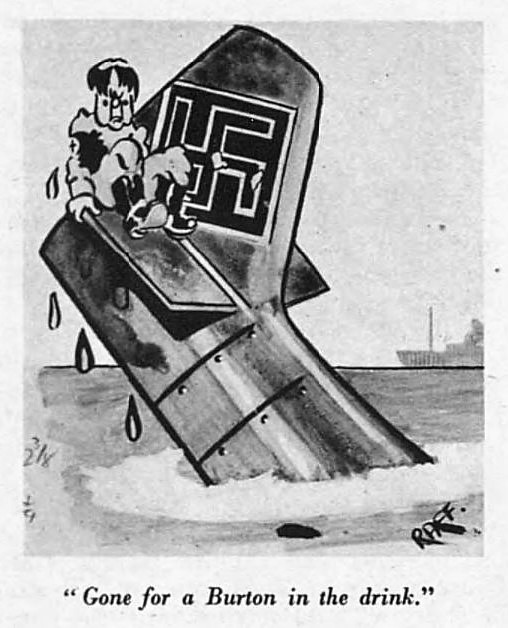
to meet with disaster; to be ruined, destroyed or killed—UK, 1941, RAF slang: (of an airman) to be killed—perhaps from ‘to go for a drink (of Burton ale)’
Read Moreperhaps identical to ‘pie’ (‘magpie’)—variety of ingredients maybe associated with bird’s spotted appearance or its tendency to collect miscellaneous articles
Read MoreUK, 1891—‘to take the mickey (or ‘the mike’) out of’: ‘to tease or ridicule’—probably after ‘Mickey (or ‘Mike’) Bliss’, rhyming slang for ‘piss’
Read MoreSince antiquity, European languages have variously named the butterfly, in particular by using sound reduplications expressive of its fluttering.
Read More
originally ‘pampered child’, later ‘town-dweller regarded as affected or puny’—origin uncertain—probably not the same word as ‘cokeney’, literally ‘cock’s egg’
Read More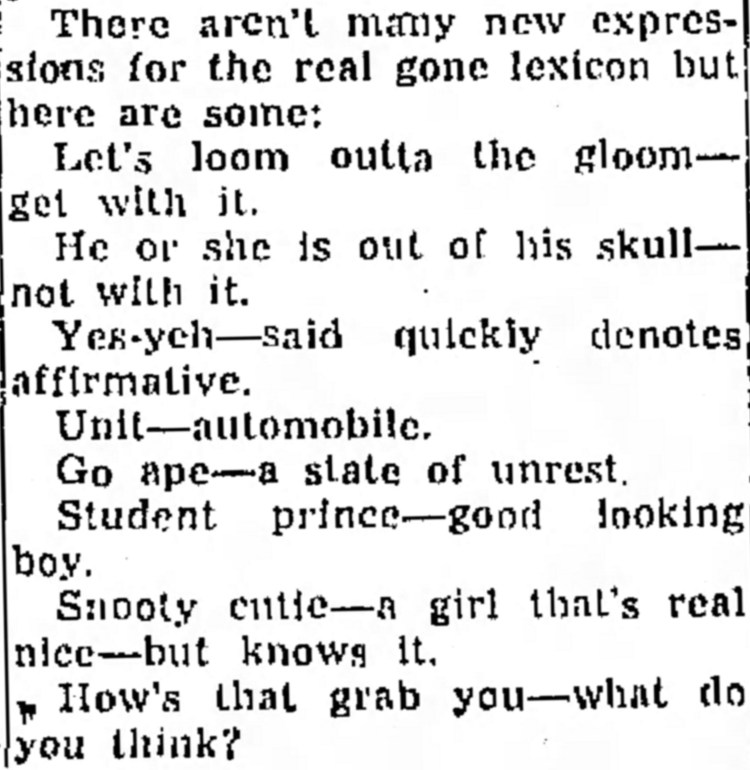
USA—‘not part of a particular exclusive group’, 1955—‘out of one’s mind’, 1958—‘smashed out of one’s skull’ (= ‘drunk’, 1963)—‘bored out of one’s skull’, 1967
Read More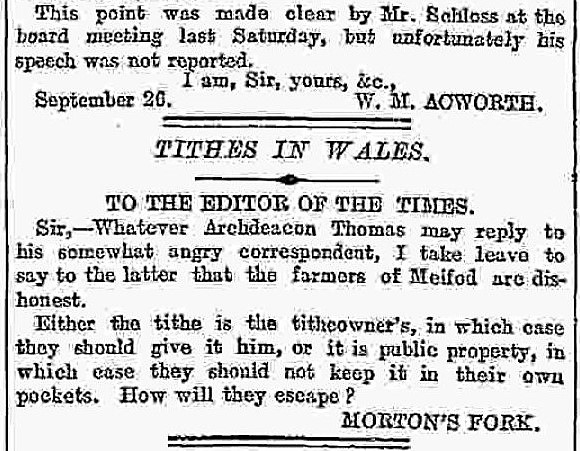
an argument said to have been used by John Morton in levying forced loans: a person living well was obviously rich; one living frugally must have savings
Read More word histories