the mistaken origin of ‘white elephant’ in the Oxford English Dictionary
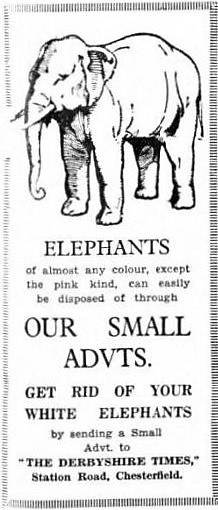
refers to the rarity of white elephants and to the story that the king of Pegu waged war on the king of Siam, who had refused to sell him one
Read More
“ad fontes!”
refers to the rarity of white elephants and to the story that the king of Pegu waged war on the king of Siam, who had refused to sell him one
Read MoreThe image of the deaf adder originated in the Book of Psalms, 58:4-5: “the deaf adder that stoppeth her ear; which will not hearken to the voice of charmers”.
Read More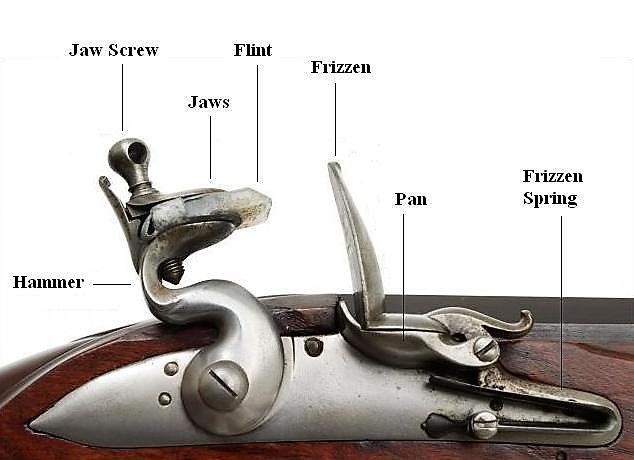
‘flash in the pan’: originally referred to the priming gunpowder flaring up in the flash-pan without then exploding the main charge in the barrel of a firearm
Read More
a realm of fantasy, dreams or impractical notions—1856 as ‘cuckoo-cloud-land’—from the name of the city built by the birds in ‘The Birds’, by Aristophanes
Read Moreperhaps identical to ‘pie’ (‘magpie’)—variety of ingredients maybe associated with bird’s spotted appearance or its tendency to collect miscellaneous articles
Read MoreThe ladybird was so named on account of its seven spots, which were popularly believed to symbolise the seven sorrows of the Virgin Mary.
Read More‘Butterfly kiss’ appeared in the second half of the 19th century to designate the act of lightly sweeping a person’s cheek with one’s eyelashes.
Read MoreSince antiquity, European languages have variously named the butterfly, in particular by using sound reduplications expressive of its fluttering.
Read More
originally ‘pampered child’, later ‘town-dweller regarded as affected or puny’—origin uncertain—probably not the same word as ‘cokeney’, literally ‘cock’s egg’
Read More
noun (late 17th cent.), perhaps from ‘bull’ (= bovine)—possibly distinct from ‘bully’ (mid-16th cent.), ‘darling’, probably from Middle Dutch ‘boele’, ‘lover’
Read More
