meaning and origin of ‘on the spur of the moment’
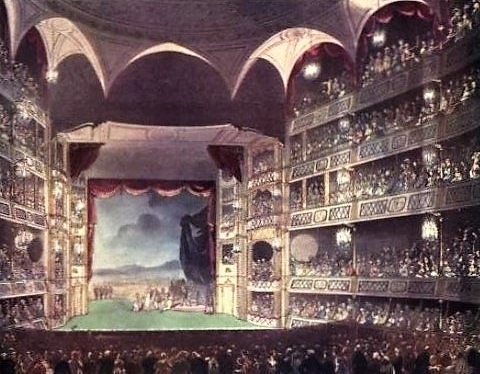
UK, 1784—elaborated on the archaic ‘on the spur’, which meant ‘in great haste’ and referred to the use of spurs to urge a horse forward
Read More
“ad fontes!”
UK, 1784—elaborated on the archaic ‘on the spur’, which meant ‘in great haste’ and referred to the use of spurs to urge a horse forward
Read More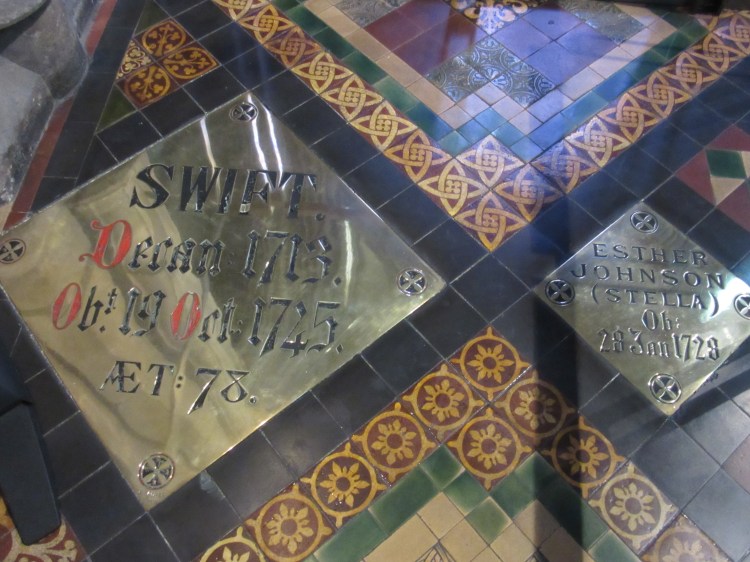
1711 in a letter by Jonathan Swift—perhaps from Ecclesiastes, 10:20: “a bird of the air shall carry the voice; and that which hath wings, shall tell the matter”
Read MoreWith words denoting some specified deficiency in a desirable or standard quantity of something, ‘short of a ——’ means ‘mentally deficient’, ‘slightly crazy’.
Read Morefrom ‘to lose a sheep for a halfpennyworth of tar’—refers to the use of tar to protect sores and wounds on sheep from flies (‘sheep’ was pronounced ‘ship’)
Read Moreremarks on English phrases (‘to rain cats and dogs’, ‘tit for tat’, ‘the devil to pay’, etc.) – from Notes and Queries (London), 9th November 1861
Read More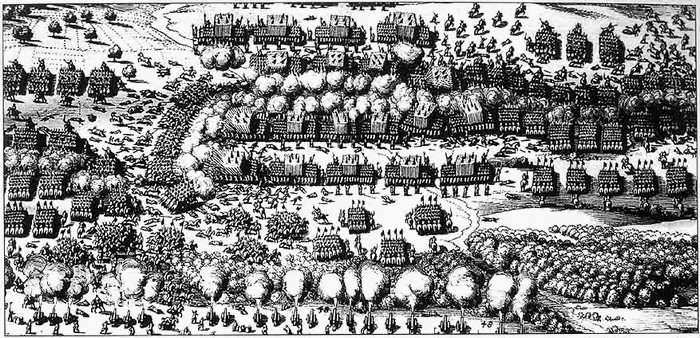
early 17th century, with ‘the Dead Sea’ and ‘the deep sea’—originated in the image of a choice between damnation (‘the Devil’) and drowning (‘the sea’)
Read More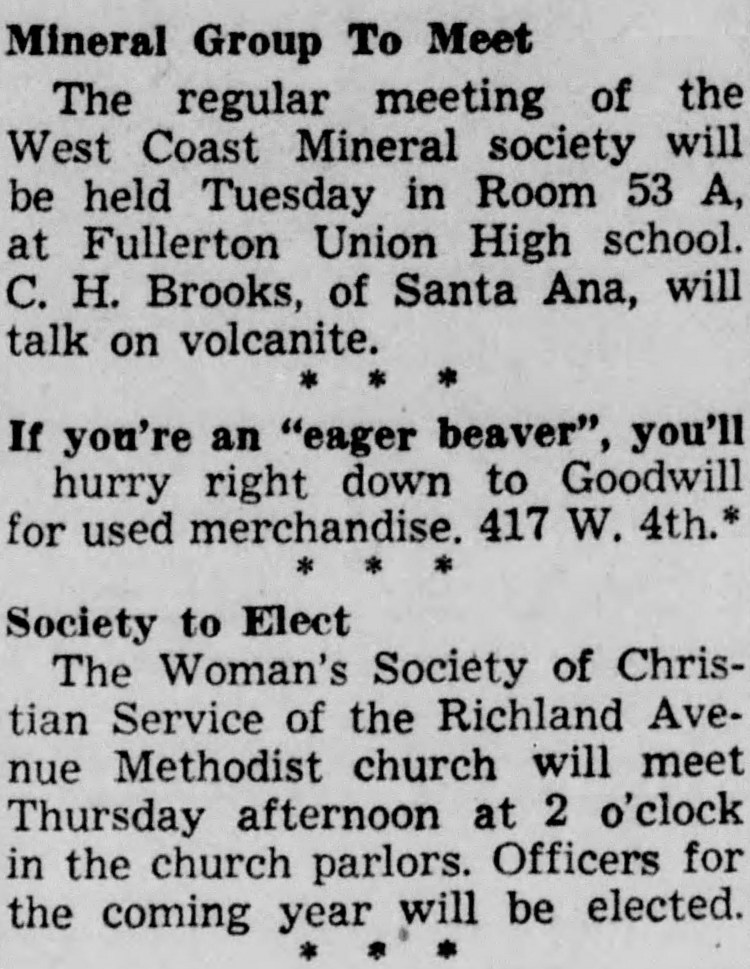
1942—In US Air Force’s slang, ‘eager beaver’ denoted an alert and efficient student cadet, with allusion to the animal’s industriousness.
Read Morelate 17th century—probably based on the resemblance between the shape of the heart and that of a cockleshell – or of the body the shell protects
Read More1696—perhaps from ‘latet anguis in herba’ (a snake hides in the grass) in Virgil’s Eclogues—cf. ‘a pad [= toad] in the straw’ and French ‘il y a de l’oignon’
Read MoreIn allusion to The Tale of the Ancyent Marinere (1798), by Samuel Taylor Coleridge: the albatross killed by the mariner is hung around his neck as punishment.
Read More
