the cultural background to ‘Welsh rabbit’
‘Welsh’: used disparagingly by the English to denote inferior things; ‘rabbit’: common dishes were humorously called by the names of superior ones
Read More
“ad fontes!”
‘Welsh’: used disparagingly by the English to denote inferior things; ‘rabbit’: common dishes were humorously called by the names of superior ones
Read More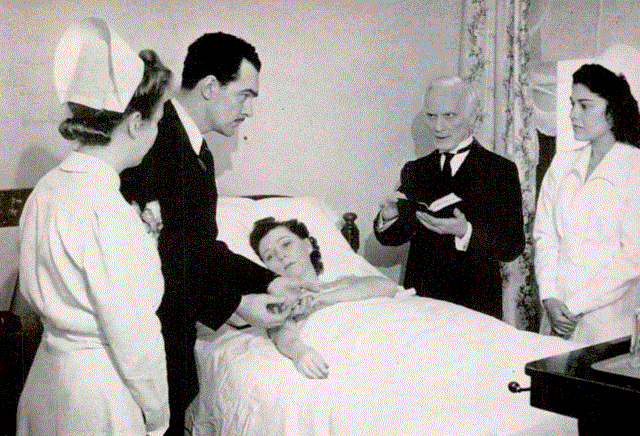
US, 1938—‘soap’: from early sponsors of such radio serials, often soap manufacturers—‘opera’: from the scale of dramatic incident that happens in these programs
Read More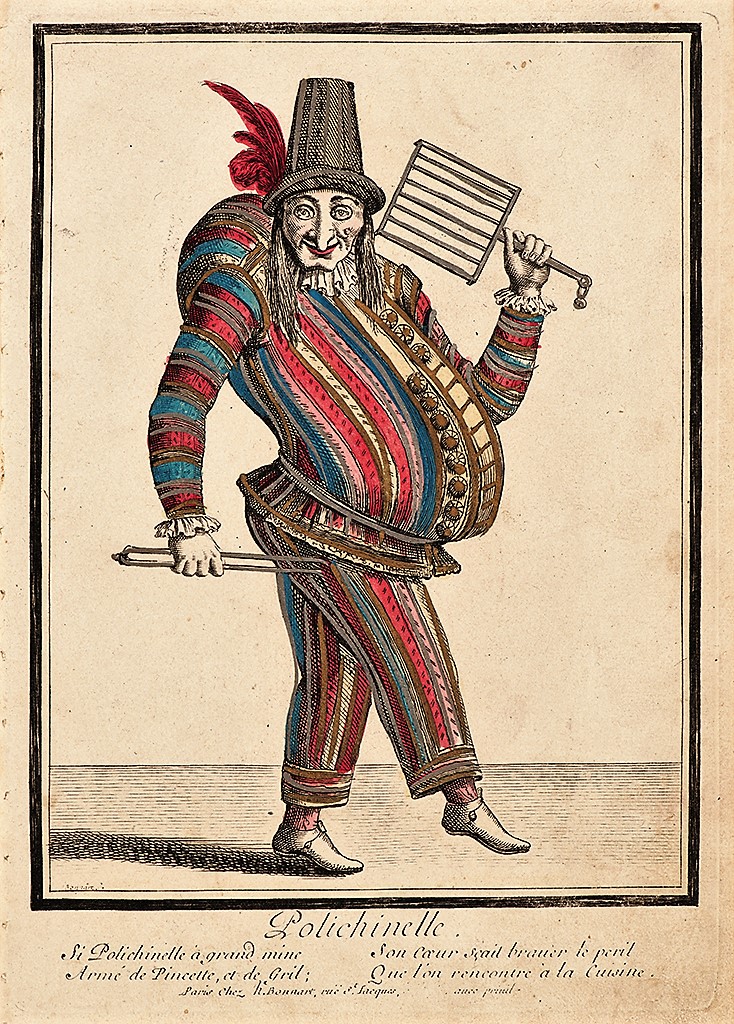
Several English and French words and phrases are ultimately derived the Latin noun ‘pullus’, meaning ‘young animal’, in particular ‘young fowl’.
Read More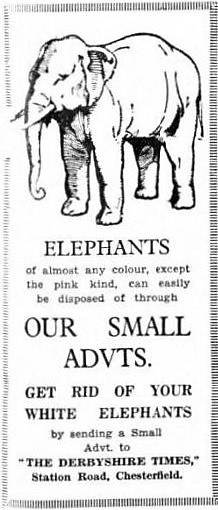
refers to the rarity of white elephants and to the story that the king of Pegu waged war on the king of Siam, who had refused to sell him one
Read MoreThe image of the deaf adder originated in the Book of Psalms, 58:4-5: “the deaf adder that stoppeth her ear; which will not hearken to the voice of charmers”.
Read More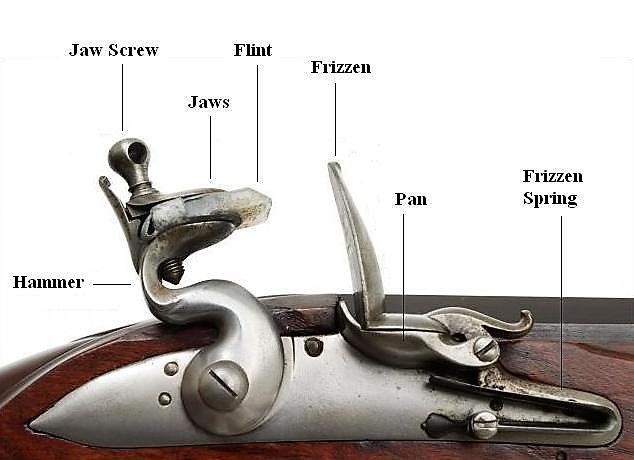
‘flash in the pan’: originally referred to the priming gunpowder flaring up in the flash-pan without then exploding the main charge in the barrel of a firearm
Read More
a realm of fantasy, dreams or impractical notions—1856 as ‘cuckoo-cloud-land’—from the name of the city built by the birds in ‘The Birds’, by Aristophanes
Read Moreperhaps identical to ‘pie’ (‘magpie’)—variety of ingredients maybe associated with bird’s spotted appearance or its tendency to collect miscellaneous articles
Read MoreThe ladybird was so named on account of its seven spots, which were popularly believed to symbolise the seven sorrows of the Virgin Mary.
Read More‘Butterfly kiss’ appeared in the second half of the 19th century to designate the act of lightly sweeping a person’s cheek with one’s eyelashes.
Read More word histories