meaning and origin of ‘for the duration’
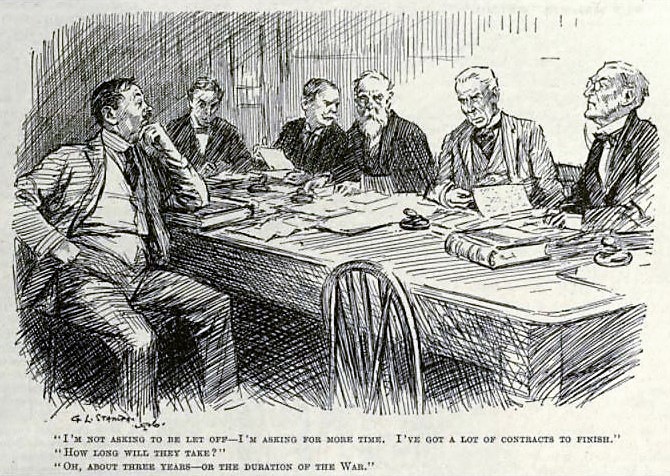
UK, 1917—originally used of the First World War, from the term of enlistment ‘for three’, or ‘four’, ‘years or for the duration of the war’
Read More
“ad fontes!”
UK, 1917—originally used of the First World War, from the term of enlistment ‘for three’, or ‘four’, ‘years or for the duration of the war’
Read More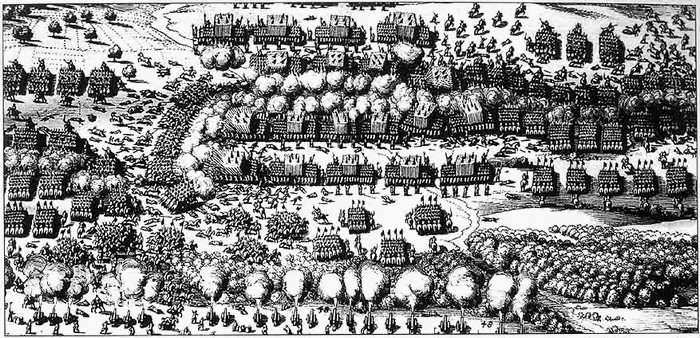
originated in the context of military engagements: ‘day’ denotes ‘a day of contest on the battlefield’ and the phrase means ‘to avert defeat in battle’
Read More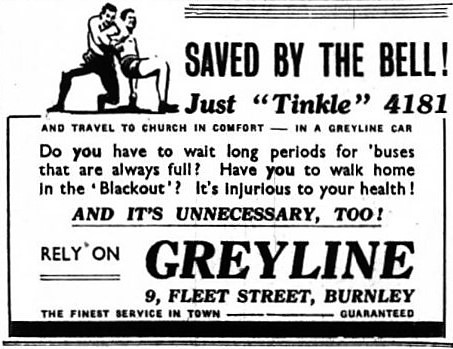
‘rescued from a difficult situation by a timely intervention’, from (in boxing) ‘saved from being counted out by the ringing of the bell at the end of a round’
Read MoreWith words denoting some specified deficiency in a desirable or standard quantity of something, ‘short of a ——’ means ‘mentally deficient’, ‘slightly crazy’.
Read More18th century, of women’s clothes—‘bib’: a piece of cloth worn between throat and waist; ‘tucker’: a piece of lace or linen worn in or around the top of a bodice
Read Moremid-17th cent. in the sense ‘brand new’—from ‘spick and span new’, extension of ‘span new’, from Old Norse ‘spán-nýr’, ‘as new as a freshly cut wooden chip’
Read MoreUK, early 19th cent.—‘shipshape’: arranged properly as things on board ship should be; ‘Bristol fashion’: Bristol was then the major west-coast port of Britain
Read More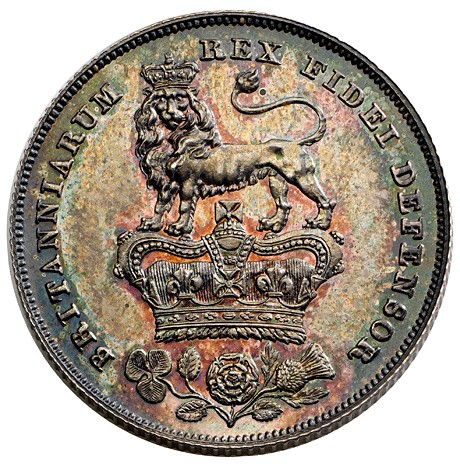
UK, 1707—‘to take the (King’s/Queen’s) shilling’: to sign up as a soldier, from the former practice of giving a shilling to a recruit when he enlisted
Read More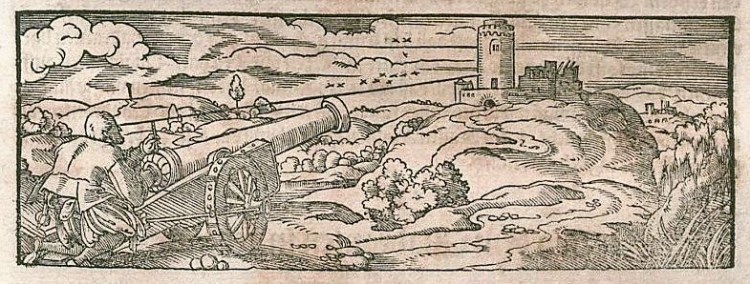
1571—probably from obsolete French ‘de pointe en blanc’, used of firing into empty space for the purpose of seeing how far a piece of artillery would carry
Read Morefrom ‘to lose a sheep for a halfpennyworth of tar’—refers to the use of tar to protect sores and wounds on sheep from flies (‘sheep’ was pronounced ‘ship’)
Read More word histories