‘God help those who are caught helping themselves’
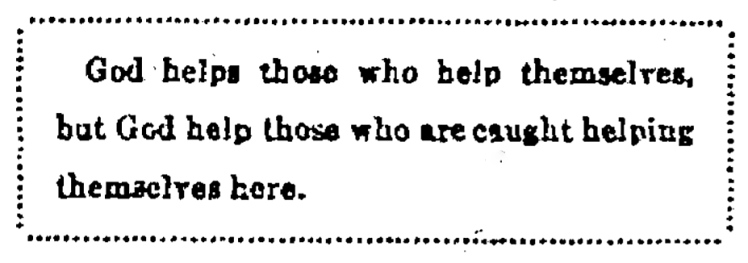
addition to proverb ‘God helps those who help themselves’—USA, UK and Australia, late 19th century—originated as a warning to shoplifters
Read More
“ad fontes!”
addition to proverb ‘God helps those who help themselves’—USA, UK and Australia, late 19th century—originated as a warning to shoplifters
Read Moreall or nothing—Australia, 1895—the image is of a dinner composed entirely of duck, i.e. of choice food, as opposed to no dinner at all
Read More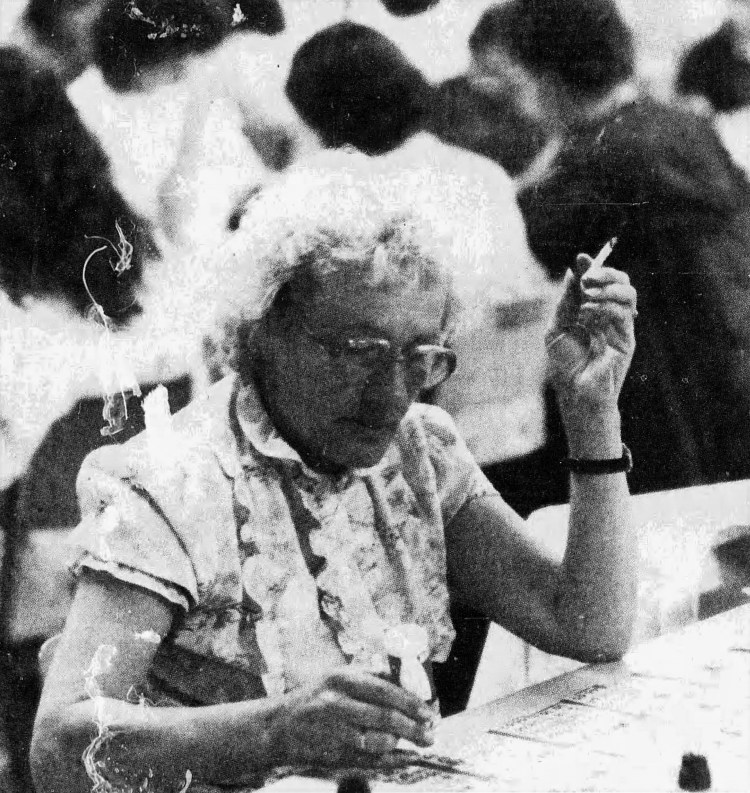
USA, 1992—the folds of loose skin or fat which hang from the undersides of a person’s upper arms—so named because they are common in older women, who are regarded as the type of person most likely to play bingo
Read More
USA, 1938—UK, 1961—satirical phrase referring to the addiction to bingo, a game in which players mark off numbers on cards as the numbers are drawn randomly by a caller, the winner being the first person to mark off all their numbers
Read More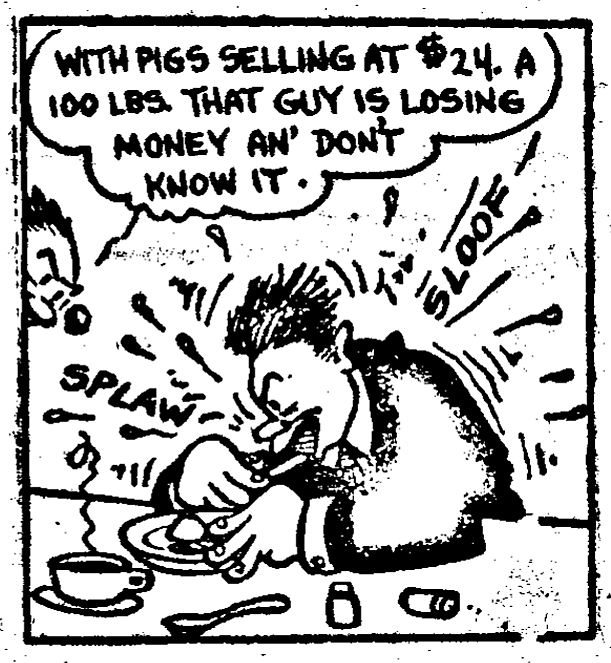
UK, 1879—meanings: an undisciplined assault on food and drink, and, by extension, any disorderly but excited scene
Read Morephrase popularised by its frequent use in the diary (1659-69) of Samuel Pepys (1633-1703)—not peculiar to him, however, as it was used for example by Philip Massinger in 1624
Read MoreUK, early 18th century—addressed to one who, saying ‘coming!’ (i.e., ‘in a minute’), takes a long time to arrive—used by extension of anything that is being delayed
Read Moreuncontrollable or obsessive passion—French phrase introduced in the 1960s as a theme of drama, prose narrative and cinema
Read More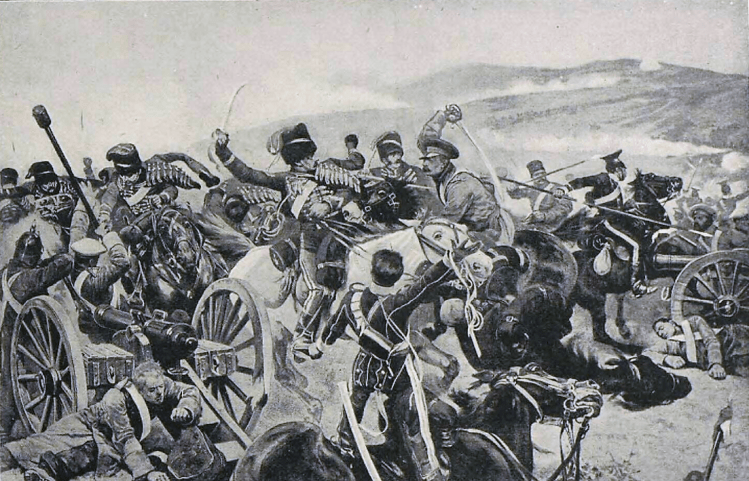
alludes to a British cavalry charge in 1854 during the Battle of Balaclava in the Crimean War—the phrase has had a variety of meanings, depending on the acceptation in which ‘charge’ has been used
Read More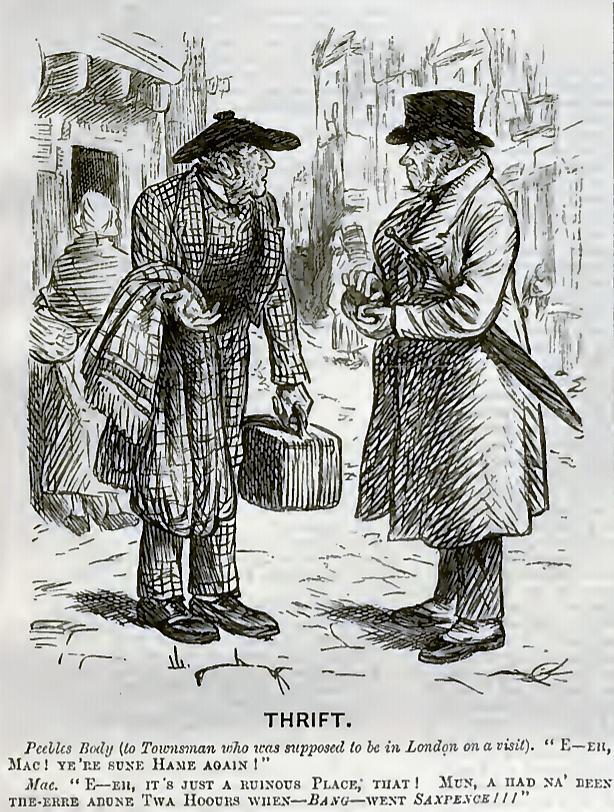
UK, 1870—based on the stereotype of Scots being miserly—from the story of the Scotsman who complained that he had to spend, in London, the small sum of sixpence
Read More
