‘is your father a glazier?’: meaning and early occurrences
UK, 18th century—addressed to one who stands between the speaker and the light of a window, a lamp, a candle or a fire, or, more generally, to one who obstructs the speaker’s view
Read More
“ad fontes!”
UK, 18th century—addressed to one who stands between the speaker and the light of a window, a lamp, a candle or a fire, or, more generally, to one who obstructs the speaker’s view
Read MoreUK—originated in British-Army slang, first to designate an unintelligent person (1943), then any ordinary soldier of the lowest ranks (1945)—finally also, in civilian usage: any ordinary person (1947)
Read More
UK, 1823 as ‘calf’s head is best hot’, defined by John Badcock as “the apology for one of those who made no bones of dining with his topper on” in Slang. A Dictionary of the Turf, the Ring, the Chase, the Pit, of Bon-ton, and the Varieties of Life
Read More1951—with pun on the noun ‘camp’ (i.e.: encampment): extremely camp (i.e.: ostentatiously and extravagantly effeminate; deliberately exaggerated and theatrical in style)
Read Morea word in confidence—UK, 1927—‘shell-like’ elliptical for ‘shell-like ear’, which was originally a poetical term associating the shape of the external ear with the graceful convolutions of a small pink seashell
Read Moredirty fingernails—1906—British and Irish English—but the comparison between the dirt edging the fingernails and the black border edging mourning paper dates back to the 19th century
Read MoreUK, 1898—Australia, 1913—used when, while addressing someone, the speaker is interrupted by someone else—in particular when the person who interrupts is a subordinate of the person whom the speaker addresses
Read More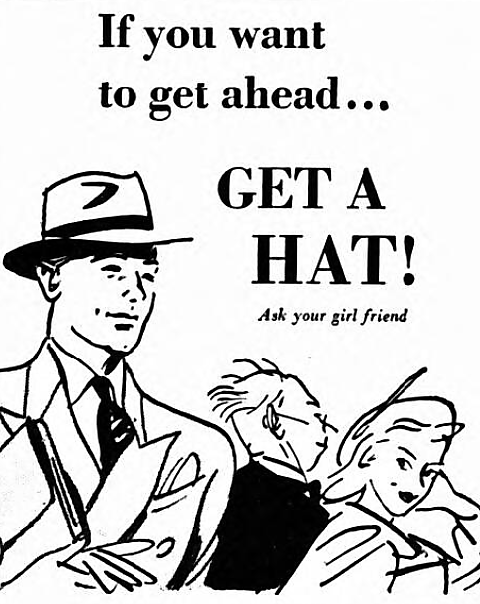
one must wear a hat in order to become successful in one’s life or career—originally the slogan for an advertising campaign organised in 1948 by the British hat-manufacturers when hat-wearing began to decline
Read More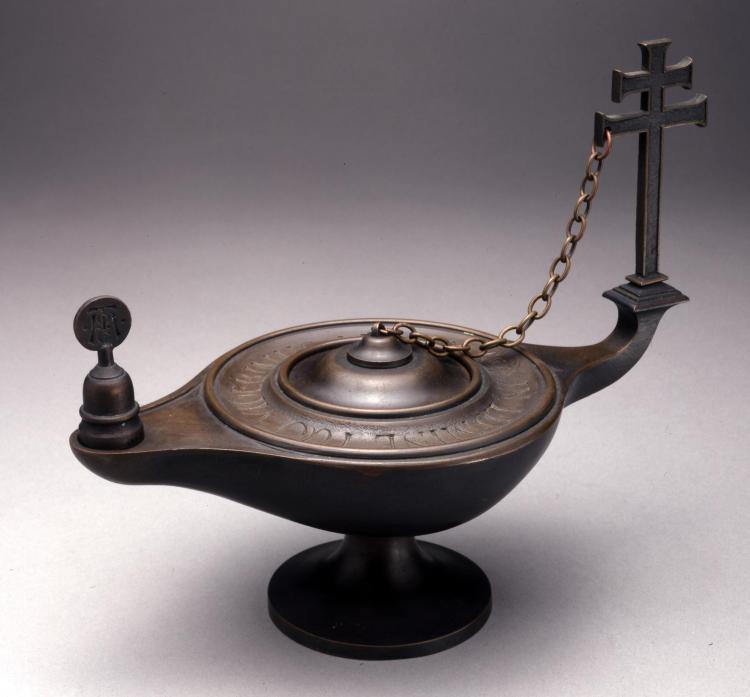
dim-witted—UK, 1955—refers to the oil lamp that is symbolically lit at the beginning of the meetings of each section of the international movement Toc H
Read MoreUK, 1862—originally said to children in order that they develop an upright posture—came to be humorously used when declining a proffered seat
Read More
