origin of the phrase ‘to cut both ways’
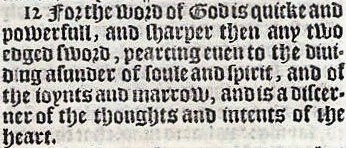
to serve both sides of an argument; to have both good and bad effects—England, early 18th century—refers to a sword which has two cutting edges
Read More
“ad fontes!”
to serve both sides of an argument; to have both good and bad effects—England, early 18th century—refers to a sword which has two cutting edges
Read More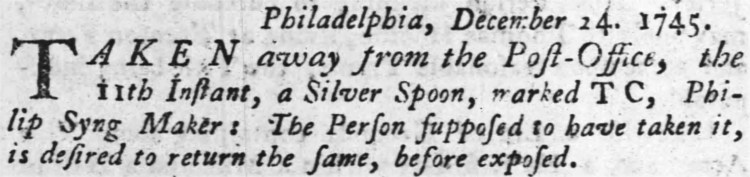
alludes to the gift of a spoon to a child at its christening—1762 as ‘one man is born with a silver spoon in his mouth, and another with a wooden ladle’
Read More
1790—from the name of a Quaker who must prove his identity against an impostor’s claims in ‘A Bold Stroke for a Wife’ (1718), a comedy by Susanna Centlivre
Read More
(British) benefit paid by the state to the unemployed (1919)—from Middle-English sense ‘food or money given in charity’—from primary sense ‘portion’, ‘share’
Read More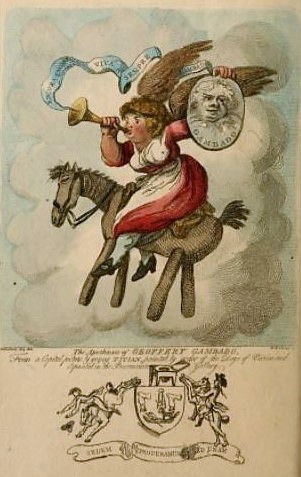
from Medieval Latin ‘paraphernalia’, short for ‘paraphernalia bona’, ‘married woman’s property’, i.e. the goods which a bride brings over and above her dowry
Read More
In Psalms, the subjugated nation of Moab is compared to a vessel used for washing the feet—hence in school slang ‘Moab’: humorous for ‘washroom’, ‘tub’, ‘sink’
Read MoreVia Irish ‘póg’, Irish-English ‘pogue’ (a kiss) is from ecclesiastical Latin ‘pacem’ (kiss of peace)—the name of the band is from ‘pogue mahone’ (kiss my arse).
Read More‘the land of Nod’: a state of sleep—punning allusion to the name of the region to which Cain went after he had killed his brother Abel (Genesis, 4:16)
Read More‘to season’, from Old French ‘saisonner’: ‘to do something during the proper season’, hence ‘to make appropriate to the circumstances’, ‘to flavour (a dish)’
Read More
This phrase originated in the history of American slavery: the river was the Mississippi and down implied the transfer of slaves from north to south.
Read More
