the authentic origin of ‘to turn a blind eye’
early 19th century—shortening of ‘to turn the deaf ear and the blind eye’ and variants
Read More
“ad fontes!”
early 19th century—shortening of ‘to turn the deaf ear and the blind eye’ and variants
Read Moreprobably from Latin ‘Mater Cara’ or Italian ‘Madre Cara’, ‘dear mother’, i.e. the Virgin Mary, believed by sailors to send the petrel as a harbinger of storms
Read More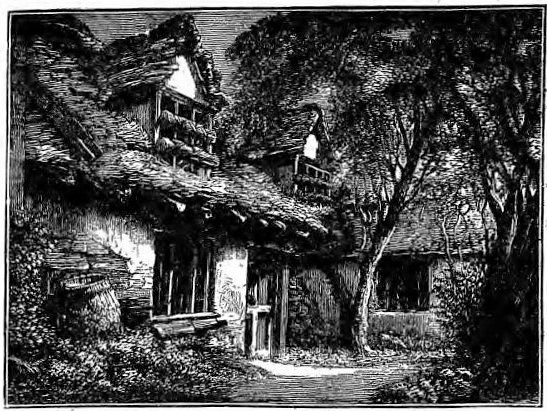
a game in which the player who has the role of Tom Tiddler defends his territory against the others, who try to steal his money—hence a source of easy money
Read More
the name of a deep boggy place at the beginning of Christian’s journey to the Celestial City in ‘The Pilgrim’s Progress’ (1678), by John Bunyan
Read More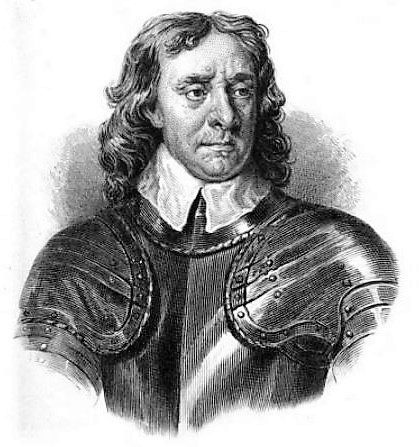
said to have originated in Oliver Cromwell’s instructions to the painter Peter Lely to represent him as he truly was, without concealing his blemishes
Read More1837—used by Sainte-Beuve to describe French poet Vigny’s seclusion in a turret room and preoccupation with inspiration unconnected with practical matters
Read More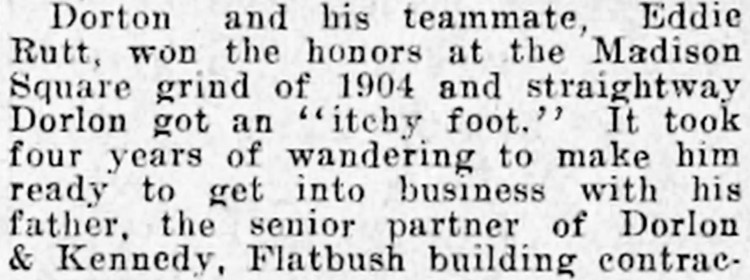
As qualifiers of nouns denoting bodily organs, ‘itchy’ and ‘itching’ denote a restless desire—‘itchy feet’, US, 1900s—‘itching palm’, Shakespeare, circa 1599
Read More
from the image of breaking the frozen surface of a river in order to make a passage for boats – probably from Latin ‘scindere glaciem’, in Erasmus’s Adages
Read More
a threat within a community, nation, etc., as distinct from an external enemy—infamously used of British miners’ leaders by Prime Minister Margaret Thatcher in 1984
Read Moreone who changes their principles to suit the circumstances—from a vicar who was twice a Catholic and twice a Protestant from Henry VIII to Elizabeth I’s reigns
Read More
