origin of the verb ‘bogart’ (to monopolise)
from ‘Don’t Bogart That Joint’ (1968), song by Fraternity of Man—alludes to the way Humphrey Bogart held a cigarette for long dialogues without smoking it
Read More
“ad fontes!”
from ‘Don’t Bogart That Joint’ (1968), song by Fraternity of Man—alludes to the way Humphrey Bogart held a cigarette for long dialogues without smoking it
Read More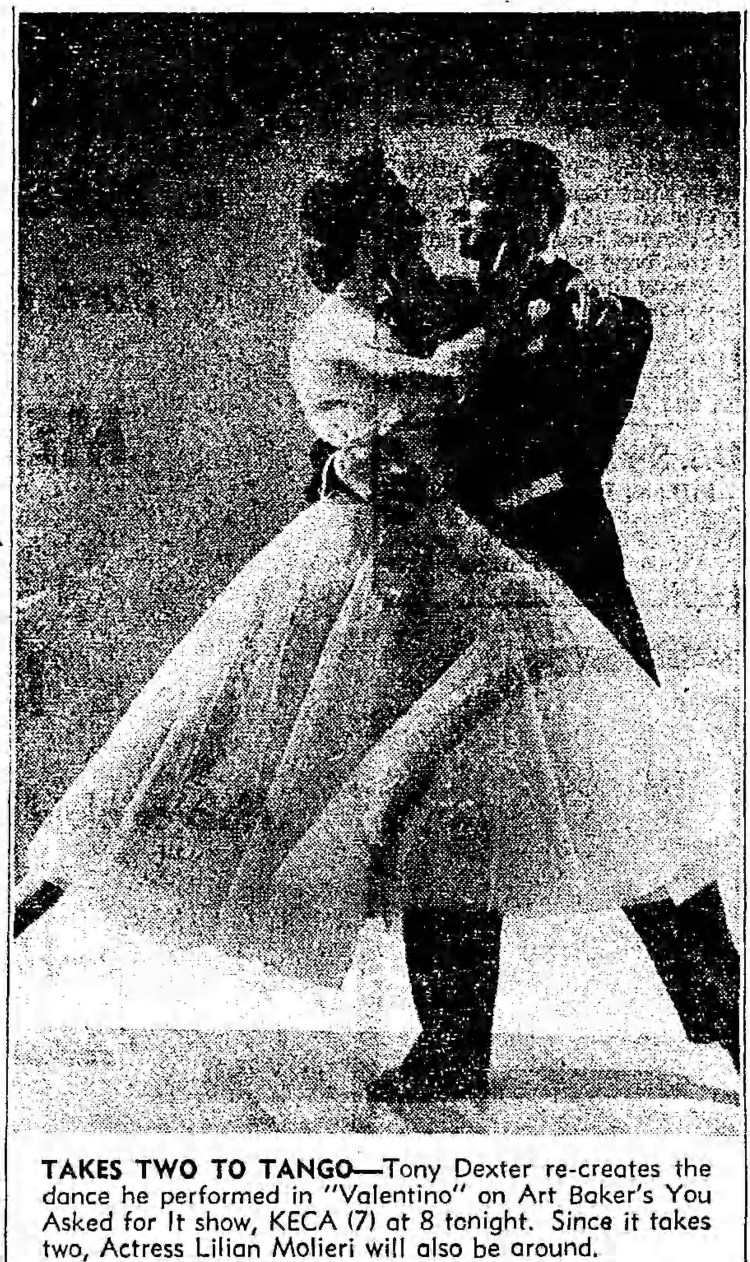
both parties involved in a situation or argument are equally responsible for it—USA, 1952—from ‘Takes Two to Tango’ (1952), a song by Hoffman and Manning
Read More
from Speed the Plough (1798), by Thomas Morton; Dame Ashfield is constantly fearing to give occasion for the sneers of Mrs Grundy, her unseen neighbour
Read More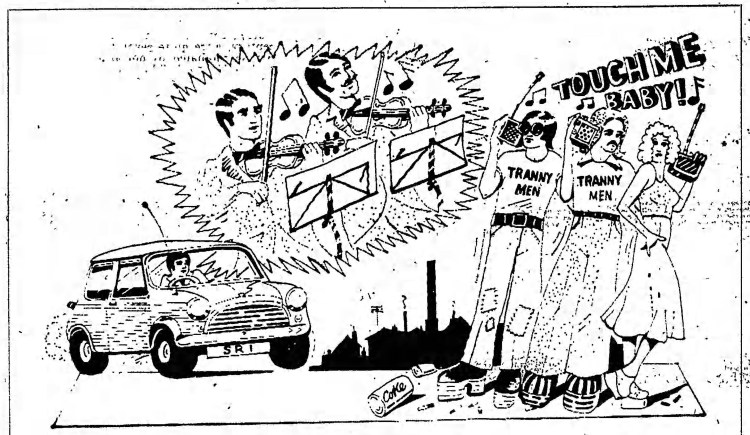
UK, 1971, in graffiti—preceded by a proper or common noun in the singular or plural; used to assert the pre-eminence of a specified person or thing
Read More
phonetic reduction of ‘Christ’s cross’; first element phonetically reduced as in ‘Christmas’; hence ‘criss-cross’ treated as a reduplication of ‘cross’
Read More
UK, 1929—the attitudes, loyalties, values, etc., associated with British public schools—from the distinctive tie that indicates which school the wearer attended
Read MoreVia Irish ‘póg’, Irish-English ‘pogue’ (a kiss) is from ecclesiastical Latin ‘pacem’ (kiss of peace)—the name of the band is from ‘pogue mahone’ (kiss my arse).
Read More‘mardy’: ‘sulky’, ‘moody’—from ‘mard’, dialectal alteration of ‘marred’, meaning, of a child, ‘spoilt’, and the suffix ‘-y’, meaning ‘having the qualities of’
Read More
19th century, northern England—apparently a variant of ‘geck’, of Germanic origin, meaning ‘a fool’, ‘a dupe’, ‘an oaf’
Read More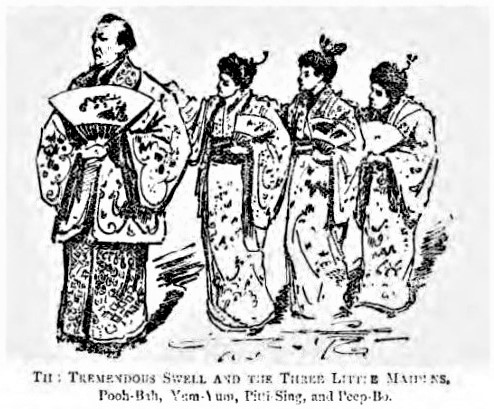
from the name of a character who holds many high offices in ‘The Mikado’ (1885), an operetta by Gilbert and Sullivan
Read More word histories