meaning and origin of ‘old school tie’

UK, 1929—the attitudes, loyalties, values, etc., associated with British public schools—from the distinctive tie that indicates which school the wearer attended
Read More
“ad fontes!”
UK, 1929—the attitudes, loyalties, values, etc., associated with British public schools—from the distinctive tie that indicates which school the wearer attended
Read MoreVia Irish ‘póg’, Irish-English ‘pogue’ (a kiss) is from ecclesiastical Latin ‘pacem’ (kiss of peace)—the name of the band is from ‘pogue mahone’ (kiss my arse).
Read More‘mardy’: ‘sulky’, ‘moody’—from ‘mard’, dialectal alteration of ‘marred’, meaning, of a child, ‘spoilt’, and the suffix ‘-y’, meaning ‘having the qualities of’
Read More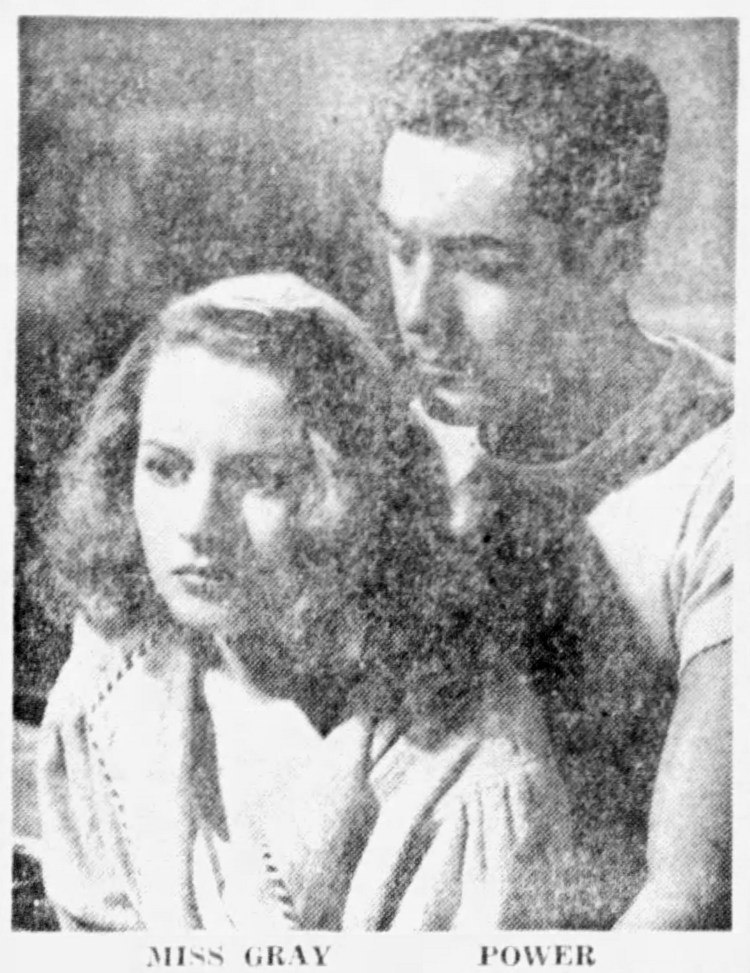
19th century, northern England—apparently a variant of ‘geck’, of Germanic origin, meaning ‘a fool’, ‘a dupe’, ‘an oaf’
Read More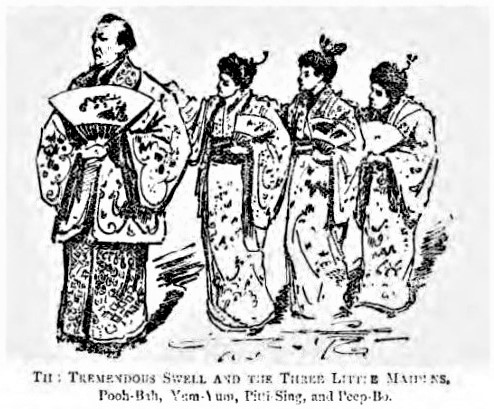
from the name of a character who holds many high offices in ‘The Mikado’ (1885), an operetta by Gilbert and Sullivan
Read More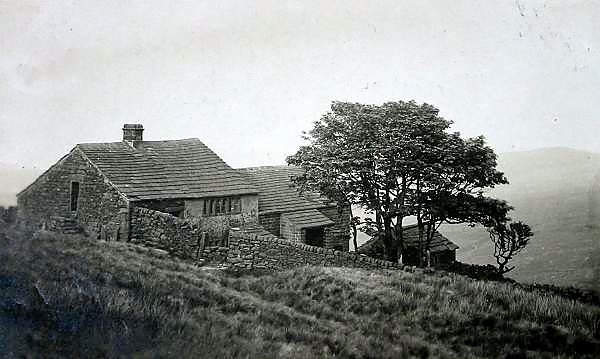
In the name of the farmhouse, ‘wuthering’ is a “provincial adjective, descriptive of the atmospheric tumult to which its station is exposed in stormy weather.”
Read More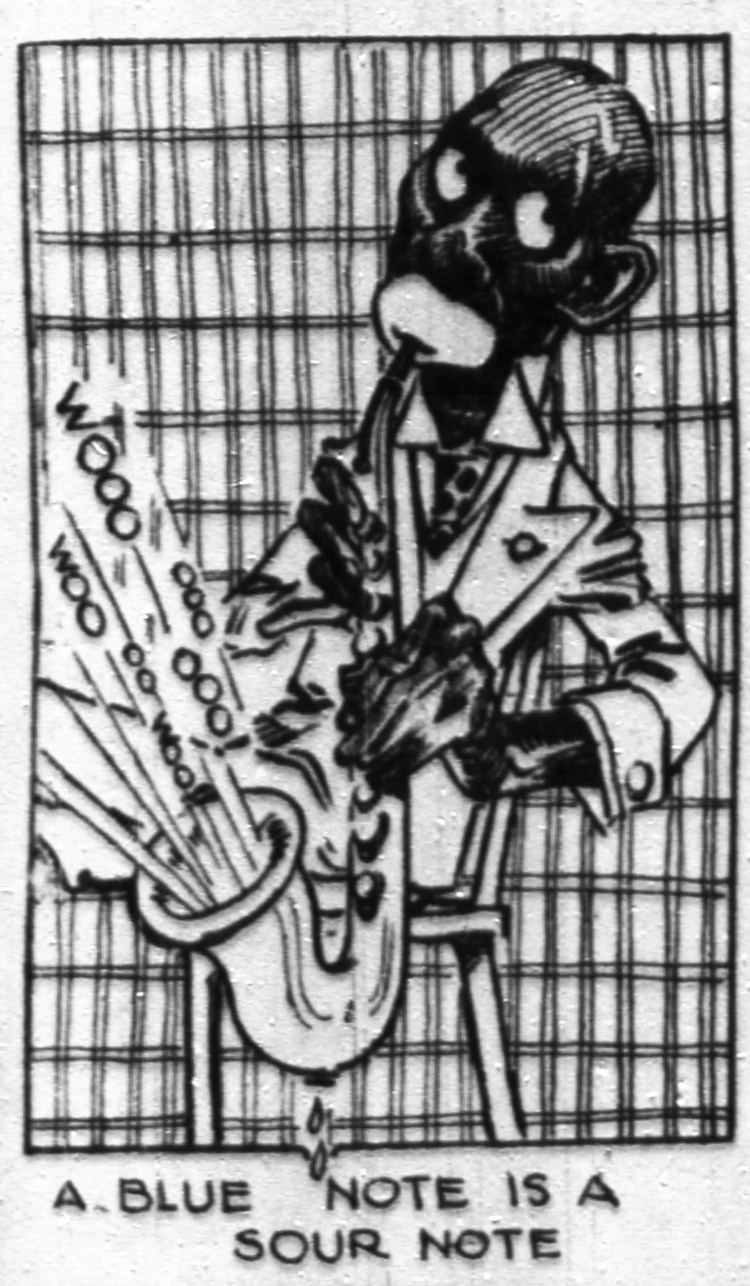
‘blues’—from ‘blue’ (‘sorrowful’) and elliptically from ‘blue devils’ (‘depression’)—originally a metaphorical use of ‘blue’ (‘bruised’), as in ‘black and blue’
Read More‘all Sir Garnet’ (late 19th cent.): highly satisfactory – from the name of Sir Garnet Wolseley (1833-1913), who conducted successful military expeditions
Read More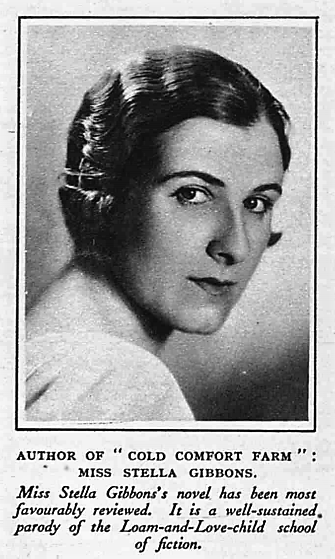
UK, 1930s—from Cold Comfort Farm (1932), by Stella Gibbons, in which a character exploits a traumatic childhood experience to exert control over her family
Read More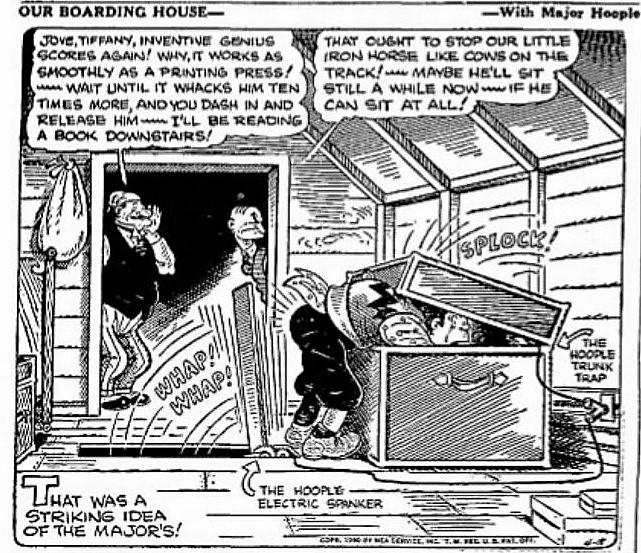
slapstick (USA): device used to make a great noise with the pretence of dealing a heavy blow, hence comedy characterised by horseplay and physical action
Read More word histories