‘everything in the garden is lovely’ (all is well)
appeared as a London catchphrase in 1897—not from the title and refrain of an 1898 song
Read More
“ad fontes!”
appeared as a London catchphrase in 1897—not from the title and refrain of an 1898 song
Read Moremeaning: everything is or will turn out all right—Scotland, 1891—‘bob’ probably related to the adjectives ‘bob’ and ‘bobbish’, meaning ‘well, in good health and spirits’
Read Moremeaning: everybody imaginable—UK, 1898 in extended form, 1899 in current form—alludes to the names listed in the Devon ballad ‘Widdecombe Fair’
Read MoreUK, 1832—‘the awkward age’: the adolescence, when one is no longer a child but not yet properly grown up, a time of life characterised by physical and emotional changes—translates in French as ‘l’âge ingrat’, ‘the thankless age’
Read Moreused to convey that something is unvaryingly familiar or drearily predictable—first recorded (USA, 1963) as the title of a song by Roger Kellaway, American jazz pianist and composer
Read MoreUSA, 1946—‘to have, or to get, egg on one’s face’: to be, or to get, embarrassed or humiliated by the turn of events—refers either to having eggs thrown at one’s face or to yolk stains left on the face after the careless eating of a soft-boiled egg
Read More
‘handbag’: to bully or coerce by subjecting to a forthright verbal assault or criticism—originally used with reference to British Prime Minister Margaret Thatcher in The Economist (7 August 1982)—from literal meaning ‘to batter or assault with a handbag’
Read More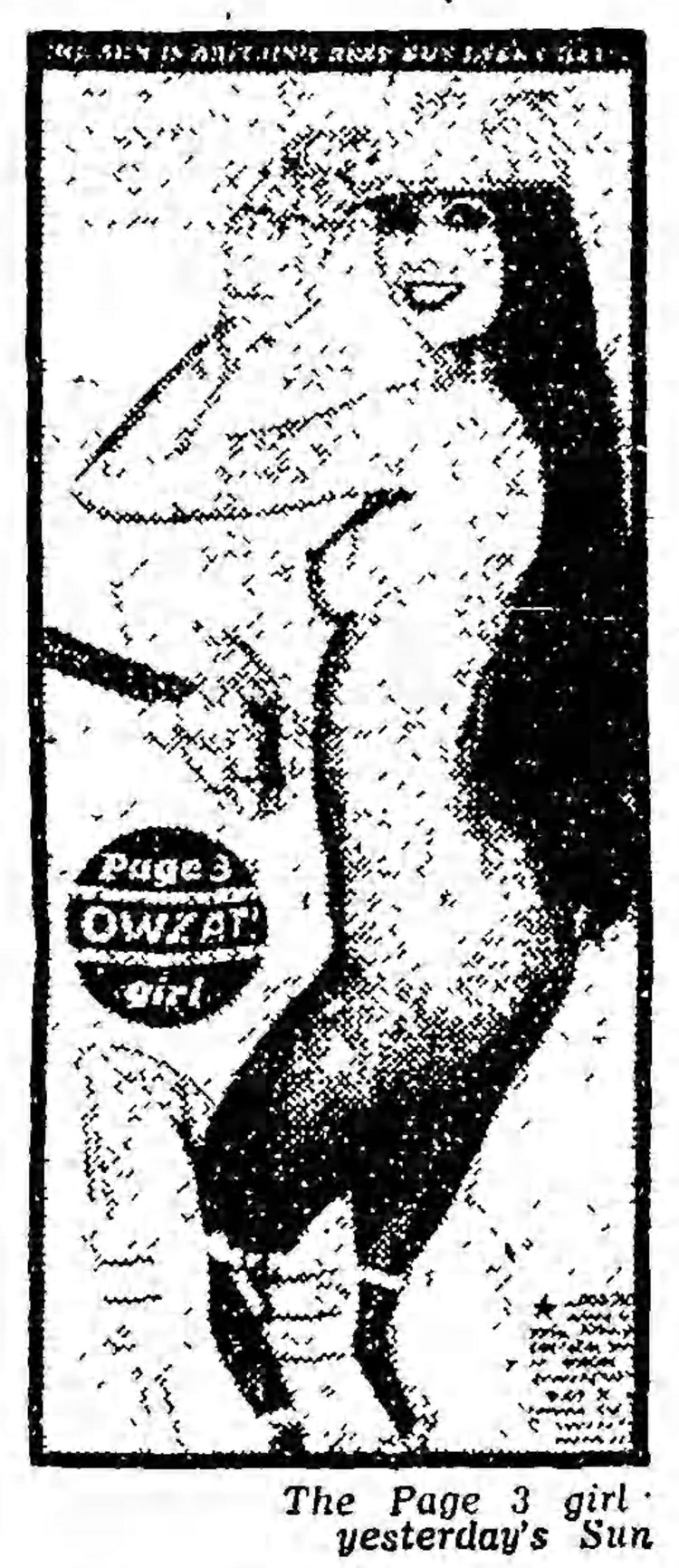
British English—‘Page Three’, or ‘Page 3’: a feature which appeared daily on page three of the British tabloid The Sun (London), and included a pin-up picture of a topless or nude young woman; this feature first appeared on 17 November 1970.
Read MoreBing Crosby popularised ‘pennies from heaven’ in the 1936 film and song of the same name, but the phrase already existed; and Abraham Burstein, rabbi and author, had used ‘pennies falling from heaven’ in The Ghetto Messenger in 1928.
Read MoreOften used in phrases such as ‘to jump on the bandwagon’, meaning to join the popular or apparently winning side, ‘bandwagon’ denotes a popular party, faction or cause that attracts growing support; its primary meaning is a wagon used for carrying the band in a parade.
Read More word histories