‘I should cocoa’: meaning and origin
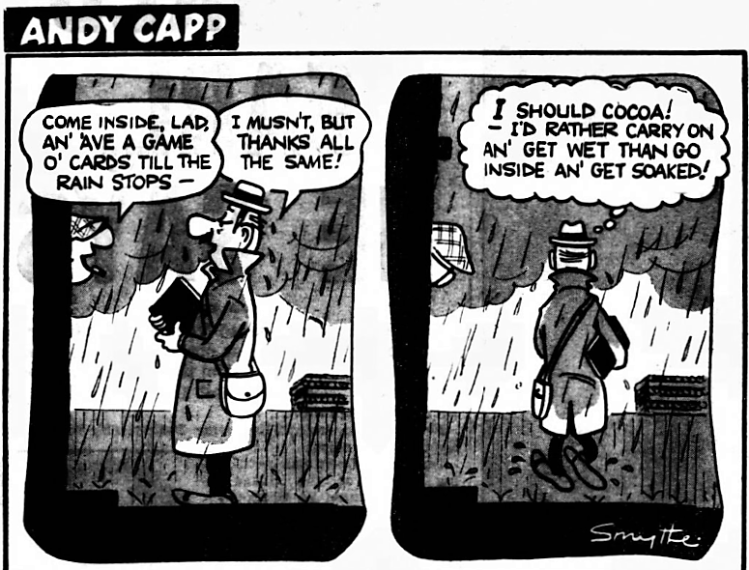
UK slang, 1936—emphatic agreement, though often ironical—‘cocoa’ is said to be rhyming slang for ‘so’ in ‘I should say so’
Read More
“ad fontes!”
UK slang, 1936—emphatic agreement, though often ironical—‘cocoa’ is said to be rhyming slang for ‘so’ in ‘I should say so’
Read More
Fundamentally, I object to the will of any group to artificially modify language in order to impose their world view.
Read More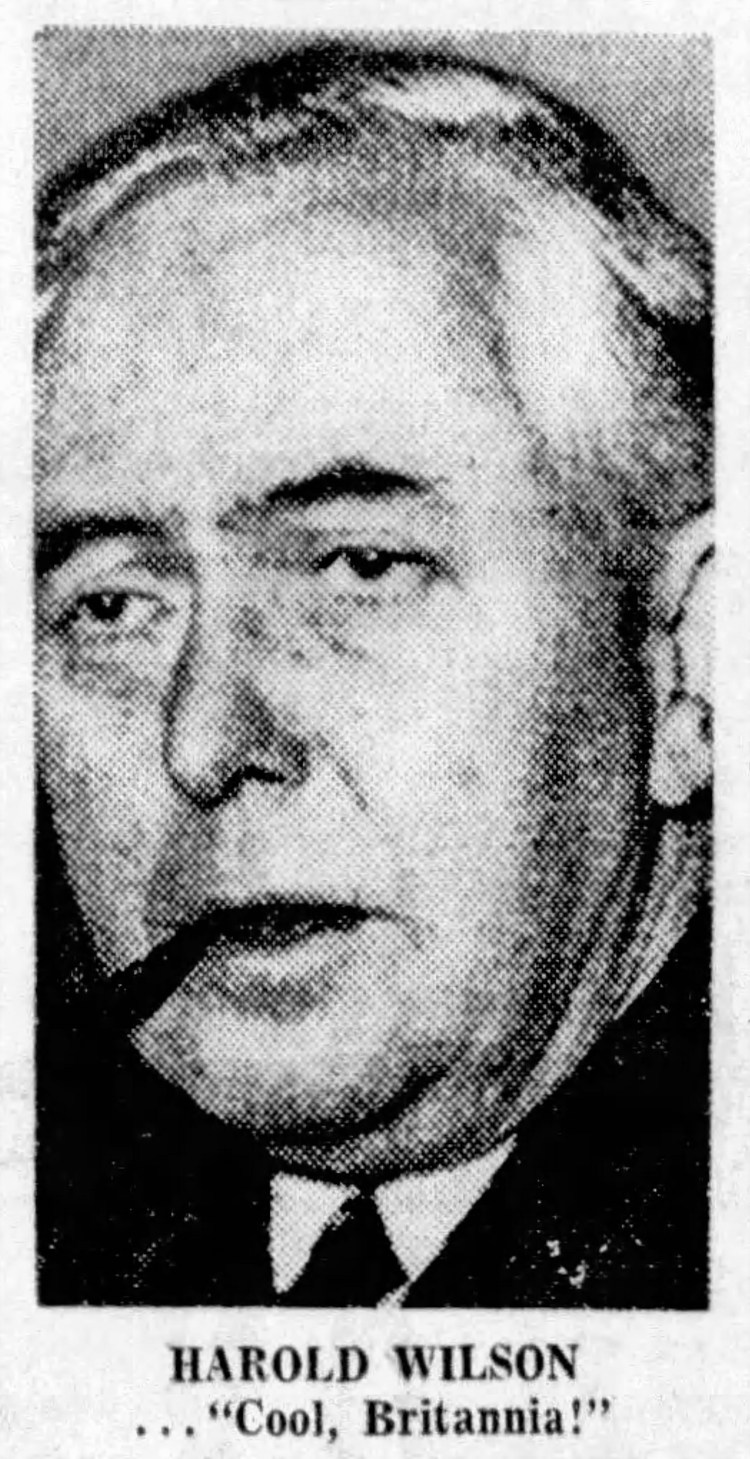
UK and Canada, from 1903 onwards—punningly alludes to ‘Rule Britannia’ (1740), the title of a popular patriotic song
Read More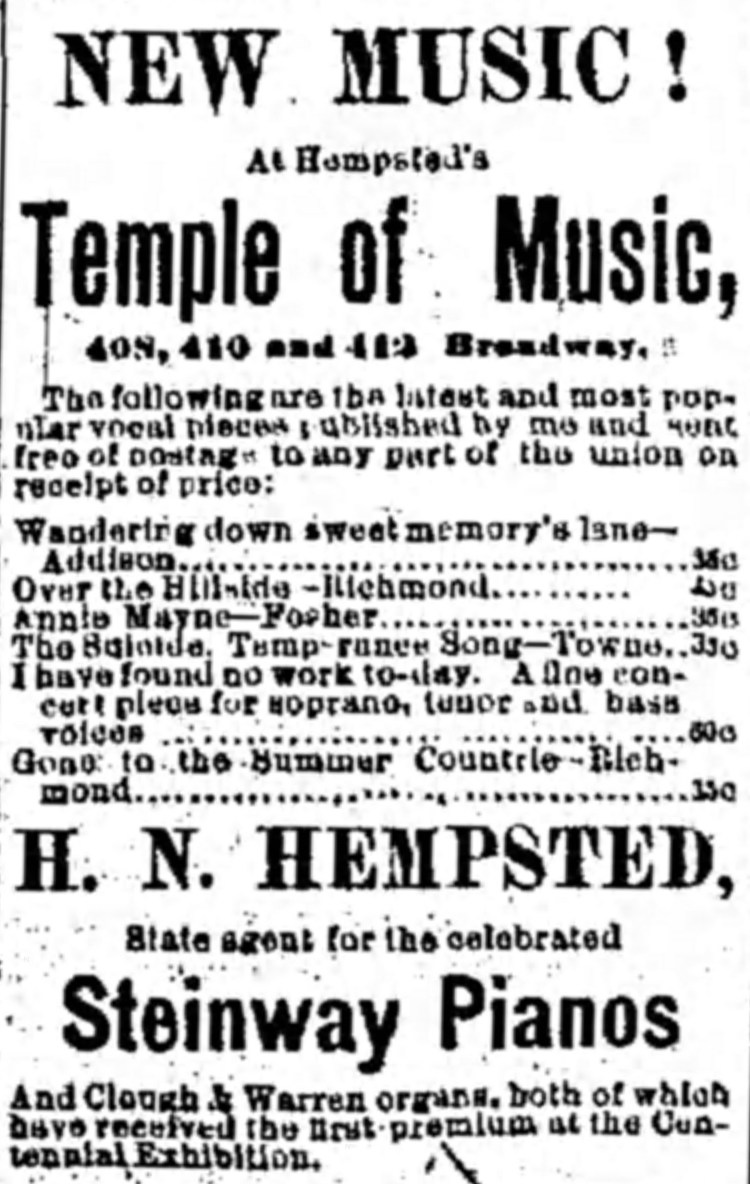
an imaginary path through the nostalgically remembered past—USA, 1876, as ‘memory’s lane’ (‘memory’ in the genitive)
Read More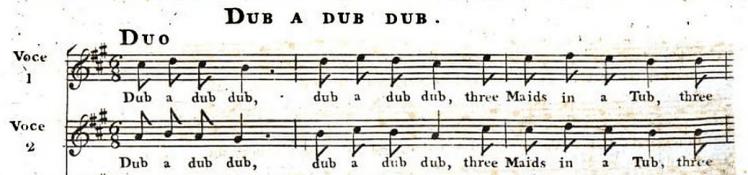
UK, 1848—people of various professions; people of all kinds—alludes to ‘Rub a dub dub’, a nursery rhyme of the late 18th century
Read MoreUSA, 1967—metal-framed spectacles with small, round lenses—worn and popularised by the English singer, musician and songwriter John Lennon (1940-80)
Read Morefirst used on 22 September 1956 in order to stop hysterical fans from pursuing Elvis Presley at the end of a concert at Toledo
Read MoreUSA, 1931—phrase based on the phonetic similarity of the two words that compose it—implies lack of discrimination
Read More‘like a bull in a china shop’ (UK, 1802)—French equivalent with ‘elephant’ instead of ‘bull’ (1849)
Read More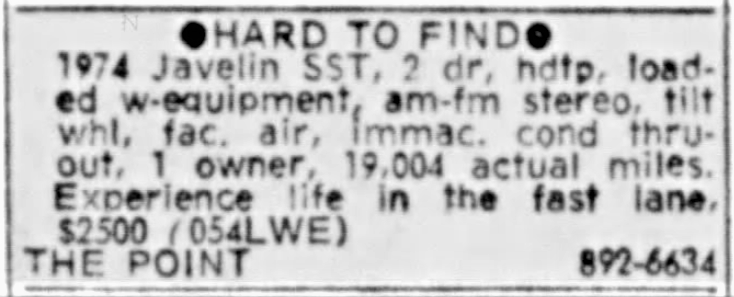
Of American-English origin, the phrase life in the fast lane denotes a glamorous or highly pressured lifestyle. It refers to fast lane, denoting a traffic lane, usually that farthest from the outer edge of a motorway or dual carriageway, intended for drivers who wish to overtake slower cars. The earliest figurative use of fast lane […]
Read More word histories