the story of ‘greengrocer’s apostrophe’, a.k.a. ‘apostrofly’

UK, ‘greengrocer’s apostrophe’ – ‘apostrofly’: the mistaken use of an apostrophe, especially its insertion before the final ‘s’ of an ordinary plural form
Read More
“ad fontes!”
UK, ‘greengrocer’s apostrophe’ – ‘apostrofly’: the mistaken use of an apostrophe, especially its insertion before the final ‘s’ of an ordinary plural form
Read MoreFrench—from the noun use of the Latin adjective ‘natalis’ (from Christian-Latin ‘natalis dies’, ‘day of birth’), denoting the festival of the nativity of Christ
Read Morefrom Spanish ‘vamos’, ‘let us go’—first recorded as ‘vamos’ in ‘Every Night Book; or, Life after Dark’ (London, 1827), by the English author William Clarke
Read More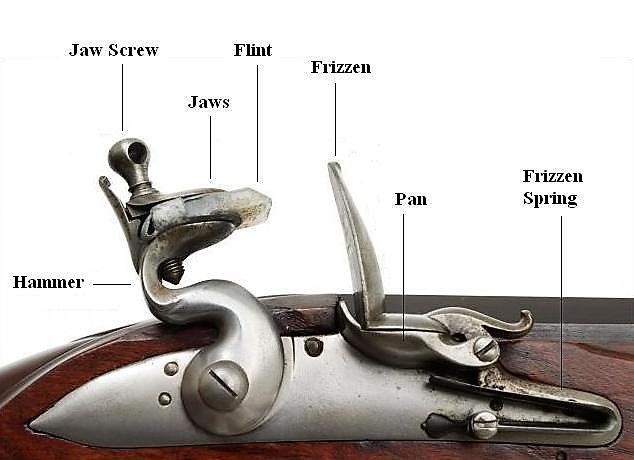
‘flash in the pan’: originally referred to the priming gunpowder flaring up in the flash-pan without then exploding the main charge in the barrel of a firearm
Read More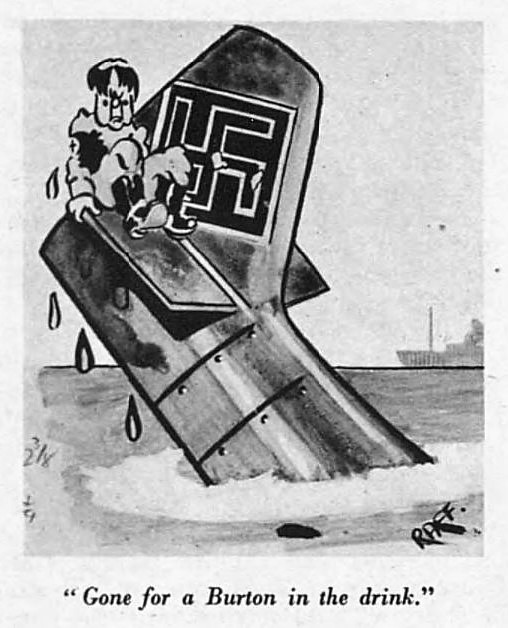
to meet with disaster; to be ruined, destroyed or killed—UK, 1941, RAF slang: (of an airman) to be killed—perhaps from ‘to go for a drink (of Burton ale)’
Read Moreperhaps identical to ‘pie’ (‘magpie’)—variety of ingredients maybe associated with bird’s spotted appearance or its tendency to collect miscellaneous articles
Read More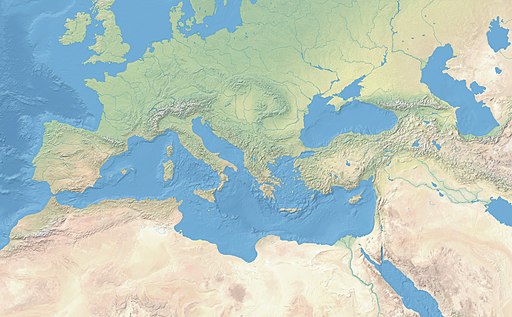
from Latin ‘mare Mediterraneum’, ‘the sea in the middle of the earth’—Latin ‘mediterrāneus’, from Greek ‘mesόgaios’, ‘situated in the middle of the land’
Read MoreThe ladybird was so named on account of its seven spots, which were popularly believed to symbolise the seven sorrows of the Virgin Mary.
Read MoreSince antiquity, European languages have variously named the butterfly, in particular by using sound reduplications expressive of its fluttering.
Read More
The word ‘folklore’ was coined in 1846 by the British author William John Thoms, inspired by Jacob and Wilhelm Grimm’s anthology of German fairy tales.
Read More
