‘to have a foot in both camps’: meaning and origin
UK, 1854—to belong to, or to sympathise with, two opposite groups, factions, etc.—probably a loan translation from French ‘avoir un pied dans les deux camps’ (1843)
Read More
“ad fontes!”
UK, 1854—to belong to, or to sympathise with, two opposite groups, factions, etc.—probably a loan translation from French ‘avoir un pied dans les deux camps’ (1843)
Read MoreFrance, 1891; UK, 1908—a sandwich filled with ham and cheese, and toasted or grilled—from ‘croque’, conjugated form of the verb ‘croquer’, to bite, to crunch, and the noun ‘monsieur’ (the reason that this noun was chosen is unknown)
Read Moreused to rebuke an unrealistic conditional—USA, 1808: ‘if my aunt had been my uncle, what would have been her gender?’—France, 1843: ‘si ma tante était un homme, ça serait mon oncle’ (‘if my aunt were a man, that would be my uncle’)
Read More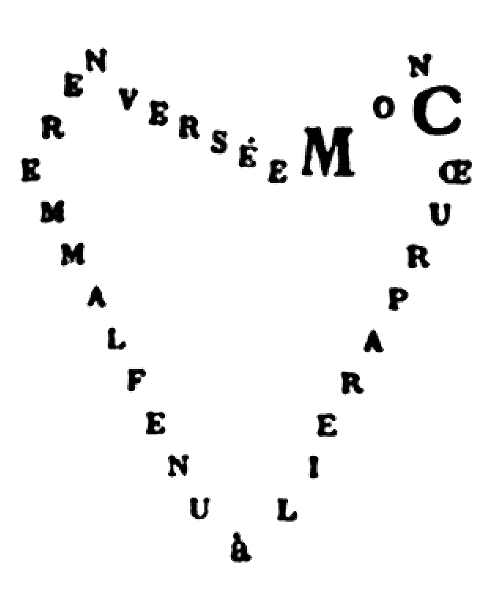
a word or piece of text in which the design and layout of the letters creates a visual image related to the meaning of the words themselves—from French ‘calligramme’, coined in 1918 by the French poet Guillaume Apollinaire—from ‘calligraphie’ and ‘idéogramme’
Read Moreuncontrollable or obsessive passion—French phrase introduced in the 1960s as a theme of drama, prose narrative and cinema
Read More
a great commotion about a trivial matter—‘a storm in a teacup’: UK, 1775—‘une tempête dans un verre d’eau’: France, 1785
Read More‘anything for a quiet wife’ (1875)—jocular variant of ‘anything for a quiet life’ (ca. 1620), which expresses concession or resigned agreement, to ensure one is not disturbed
Read More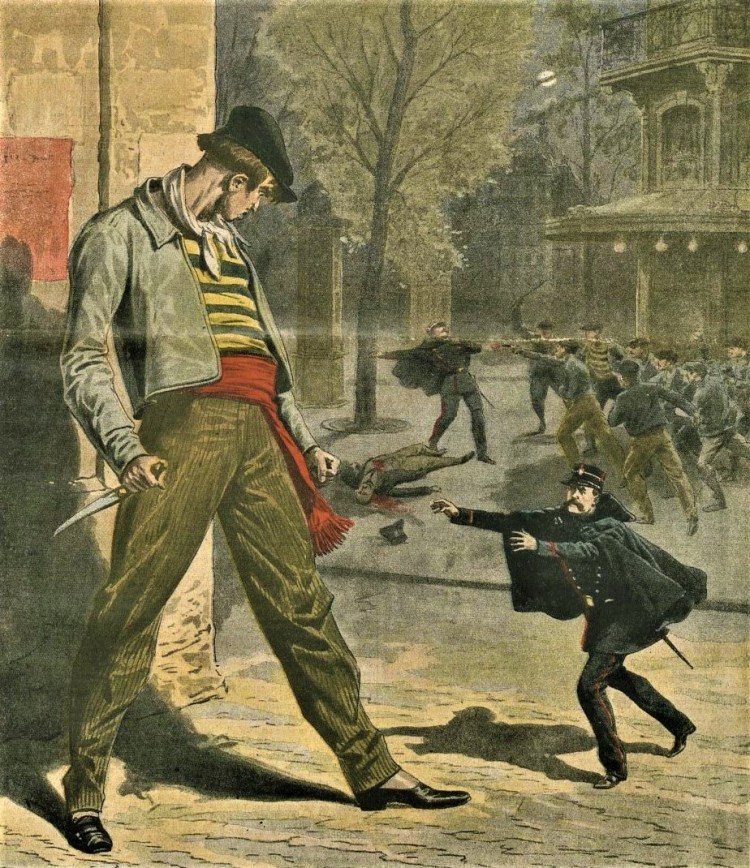
circa 1900: by association with the reputed ferocity of the North-American Indian people, ‘Apache’ came to designate a violent street ruffian in Paris
Read More1911—‘Damaged Goods’, translation of ‘Les Avariés’, by French dramatist Eugène Brieux, about the dangers of ignorance concerning sexually transmitted diseases
Read More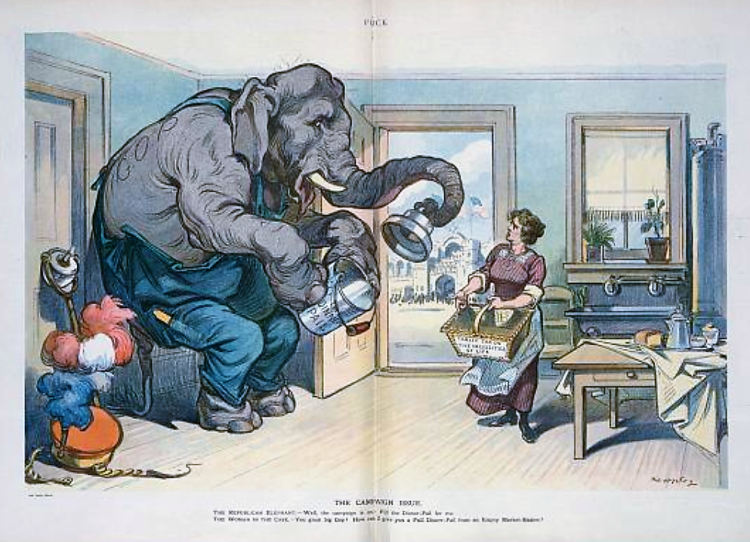
USA—from Republican slogan during the 1928 presidential campaign—‘a chicken in every pot’: from a declaration attributed to King Henri IV of France (1553-1610)
Read More
