‘no magic money (tree)’: justification for austerity
2017-18: when confronted by nurses, both British Prime Minister and French President justified austerity policies by arguing that there is no magic money (tree)
Read More
“ad fontes!”
2017-18: when confronted by nurses, both British Prime Minister and French President justified austerity policies by arguing that there is no magic money (tree)
Read MoreUK and USA, World War One—borrowing from French, literally ‘it is war’—expresses acceptance of, or resignation at, the situation engendered by war
Read MoreEnglish phrase (1728) preceded by ‘good wits jump’, i.e. ‘agree’ (1618)—French phrase (1775) preceded by ‘les beaux esprits se rencontrent’ (1686)
Read More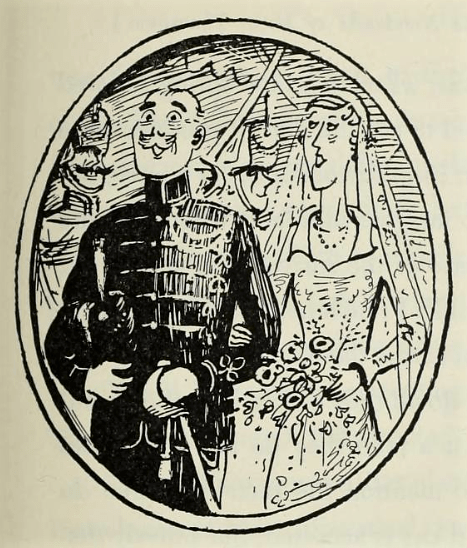
France, 1954: purported advice given to English brides-to-be on how to cope with unwanted but inevitable sexual intercourse—but this occurs in a humoristic book
Read MoreUK, 1950s—used among schoolgirls when one’s petticoat was showing (origin unknown)—synonyms: ‘it’s snowing again’, ‘you’re showing next week’s washing’
Read More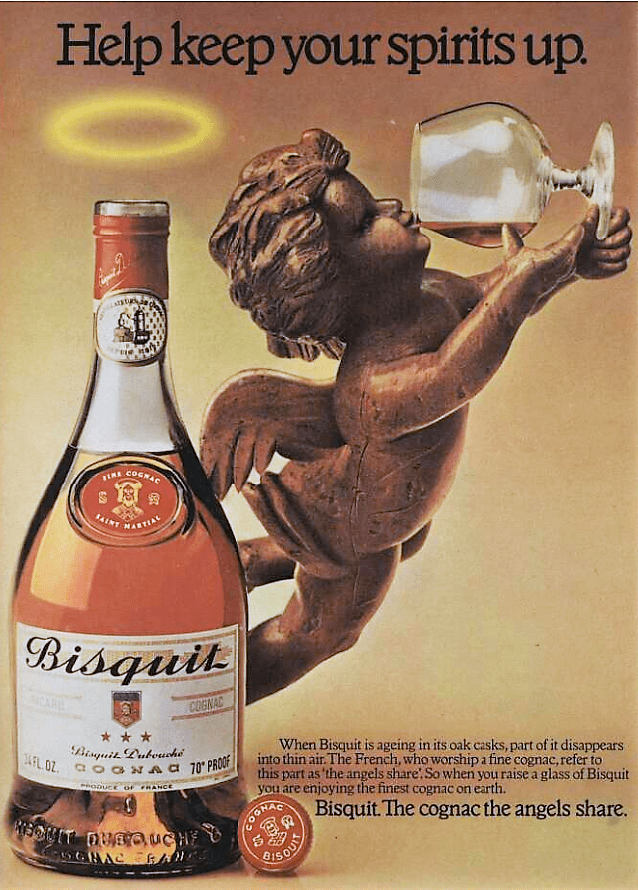
UK, 1970—the quantity of distilled spirits lost to evaporation while ageing in wooden casks; the vapours resulting from this process—calque of French ‘la part des anges’
Read More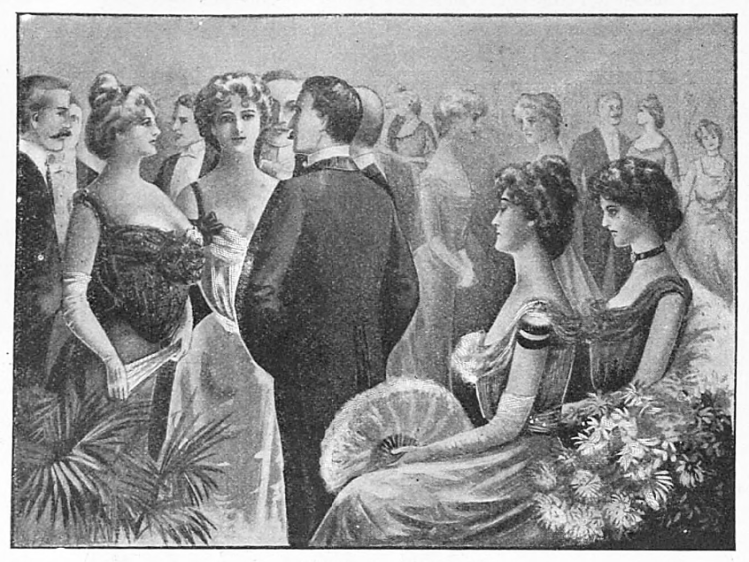
UK 1801 ‘wallflower’—France 1806 ‘faire tapisserie’ (= ‘to do tapestry’)—in both cases because the person keeps their seat at the side of a room during dancing
Read More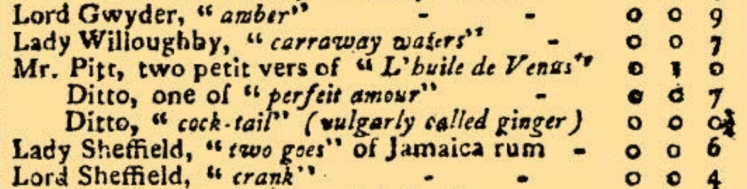
UK, 1798—‘cocktail’ explained as being “vulgarly called ginger”—perhaps from the use of ‘ginger’ to denote a cock with red plumage
Read More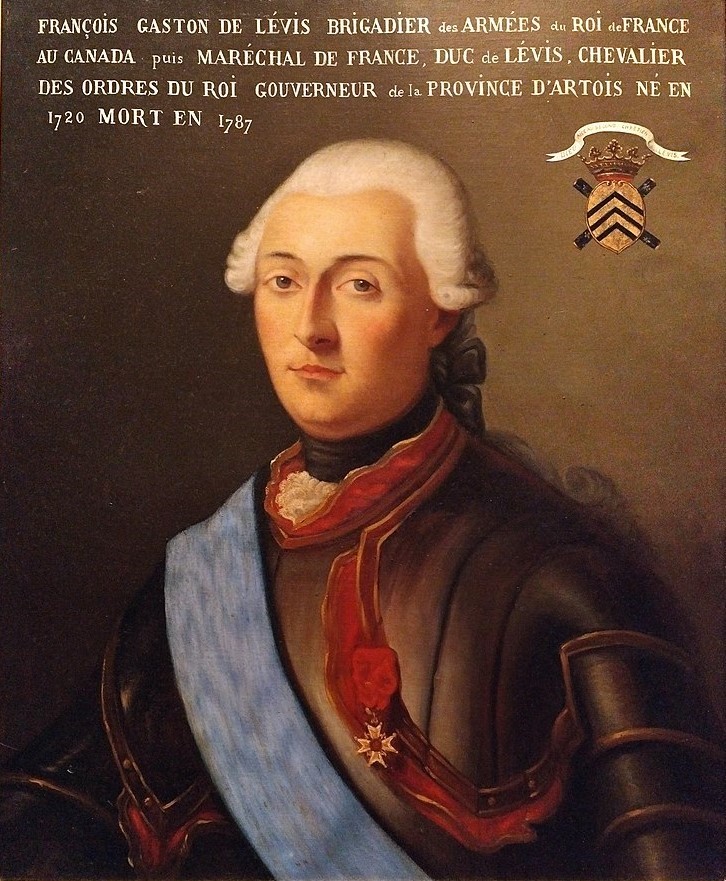
originally the sky-blue ribbon worn by the Knights-grand-cross of the French order of the Holy Ghost—applied by extension to other first-class distinctions
Read Moresite of a nuclear power station accident (1986)—name associated with the end of the world in the Bible—epithet for Disneyland Paris, seen as a cultural disaster
Read More
