‘the beast with two backs’ | ‘la bête à deux dos’

a man and woman in the act of copulation—English: earliest in Shakespeare’s Othello—perhaps a calque of French: earliest in Rabelais’s Gargantua (1542)
Read More
“ad fontes!”
a man and woman in the act of copulation—English: earliest in Shakespeare’s Othello—perhaps a calque of French: earliest in Rabelais’s Gargantua (1542)
Read Moree.g. ‘one eye at St. Paul’s and the other at Charing-cross’, ‘un œil aux champs et l’autre à la ville’ (one eye at the fields and the other at the town)
Read More
The letter ‘s’ in both the nouns currently spelt ‘island’ and ‘aisle’ is due to folk-etymological association of those words with the unrelated noun ‘isle’.
Read More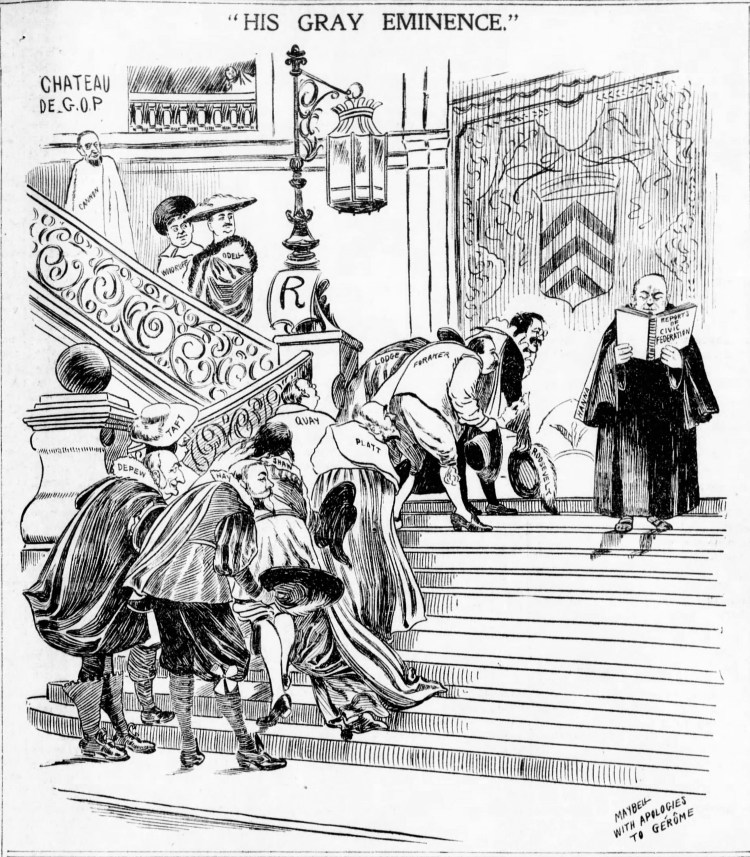
UK, 1877—a person who wields unofficial power and influence—originally applied to Père Joseph (François Leclerc du Tremblay), French friar, confidential agent of Cardinal Richelieu
Read More
Decided by the Académie française, the erroneous spelling ‘oignon’ (= ‘onion’) has become a symbol of prejudiced people, ignorant of the history of their own language.
Read Moreearly 18th century, in Jonathan Swift’s ‘Polite Conversation’—from the folk belief that one shudders when somebody walks over the site of one’s future grave
Read More
to die; to be lost or destroyed; to meet with disaster—1914, Army slang—probably from the notion of the setting sun symbolising disappearance or finality
Read More
‘cheese-eating surrender monkeys’: the French people (USA, 1995) from The Simpsons—‘tea-drinking surrender monkeys’: the British people (Ireland, 2004)
Read More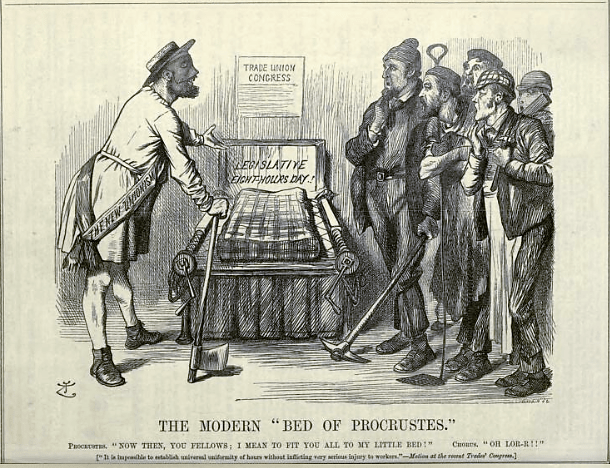
a means of enforcing conformity—Greek mythology: Procrustes was a robber who made his victims fit a bed by either stretching them longer or cutting them shorter
Read Morenot originally coined because of the connotation of explosiveness, but because of the connotations of pleasure, beauty and tininess
Read More
