meanings and origin of the phrases ‘dry/wet behind the ears’
USA, 1802 and 1851—translations from German—apparently from the idea that the area behind the ears is the last part to become dry after birth
Read More
“ad fontes!”
USA, 1802 and 1851—translations from German—apparently from the idea that the area behind the ears is the last part to become dry after birth
Read More1735, as ‘armed up to the very teeth’ in a translation of Alain-René Lesage’s Histoire de Gil Blas de Santillane
Read Moreconfused activity and uproar—alludes to the frequent collocation of ‘alarum’ and ‘excursion’ in stage directions in Shakespearean drama
Read Morefirst attested in David Balfour (1893), by Robert Louis Stevenson—French equivalent ‘connaître comme sa/ses poche(s)’ (‘to know like one’s pocket(s)’ – 1791)
Read MoreScotland, 1749—from the idea of daring to grab a lion’s “beard” and figurative uses of ‘beard’: (verb) ‘confront’ – (noun) ‘face’
Read More‘robe’ originally denoted something that has been robbed—French ‘voler’ (‘to fly’) has come to mean ‘to steal’ via falconry
Read More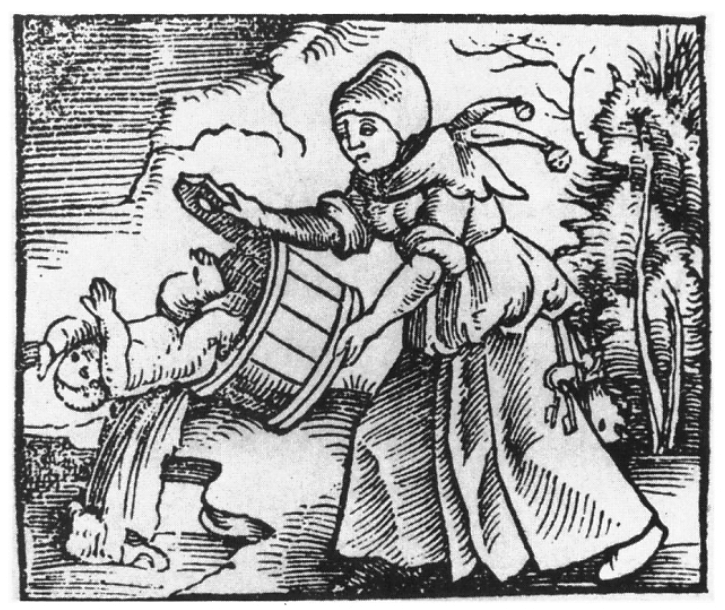
mid-19th century—loan translation from German ‘das Kind mit dem Bade ausschütten’ (to empty out the child with the bath), early 16th century
Read More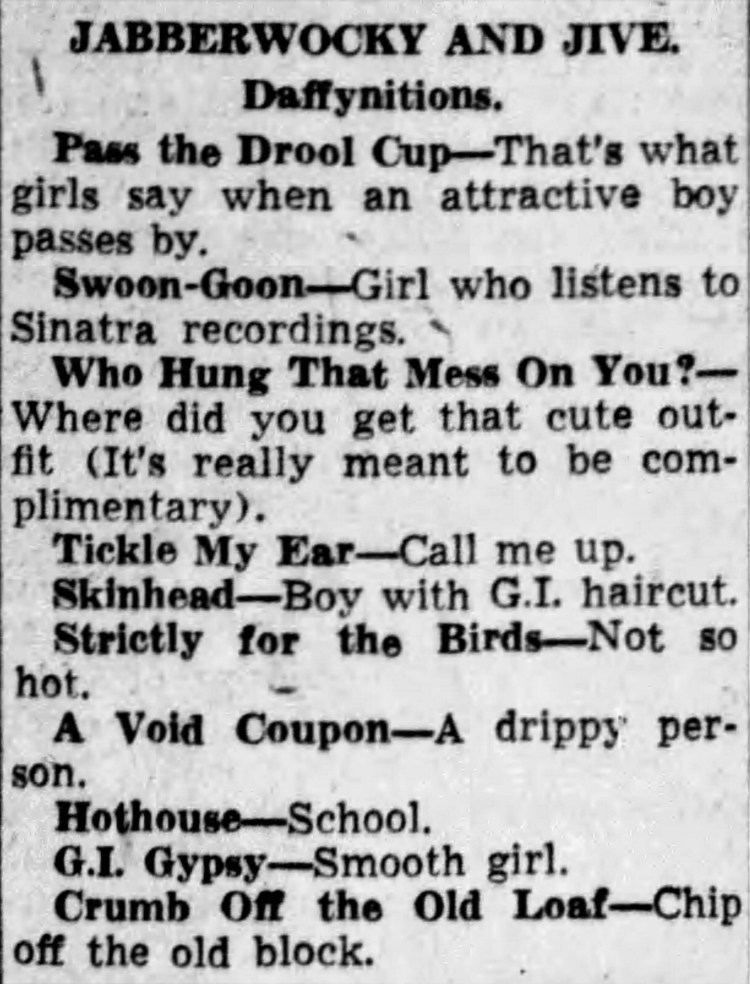
army slang, early 1940s—euphemistic shortening of ‘shit for the birds’—seems to allude to birds eating droppings from horses and cattle
Read MoreUK, 1837—something intended, but failing, to impress—if damp, a squib [a small firework] will fail to work
Read MoreUSA, 1931—presented as being of French origin, but French earliest known uses, in 1933, are from American English
Read More
