meaning and origin of the phrase ‘a bad quarter of an hour’
UK, 1755—loan translation from French ‘un mauvais quart d’heure’ (1710), which has also been used in English since 1830
Read More
“ad fontes!”
UK, 1755—loan translation from French ‘un mauvais quart d’heure’ (1710), which has also been used in English since 1830
Read MoreUK, 1869—inaccurate translation of Latin ‘panem and circenses’ (literally ‘bread and circus games’) as used by the Roman poet Juvenal
Read MoreThe image of one’s bread getting or being buttered has long been used to denote getting or having benefits, advantages.
Read More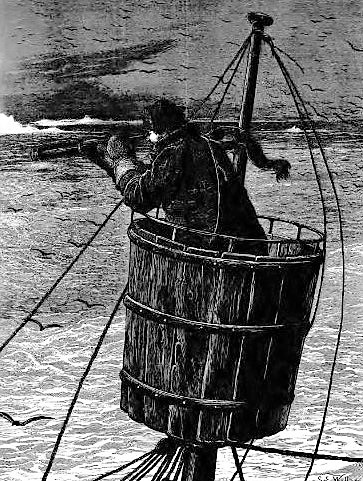
UK, early 19th century—The invention of the crow’s nest is attributed to the Arctic whaler William Scoresby Senior (1760-1829).
Read MoreAttested in 1761, ‘as the crow flies’ originally referred to the interior of a country; it did not originate in a practice of early navigation at sea.
Read Moreultimately based on the fable of the mice, or rats, who proposed to hang a bell round the cat’s neck, so as to be warned of its approach
Read More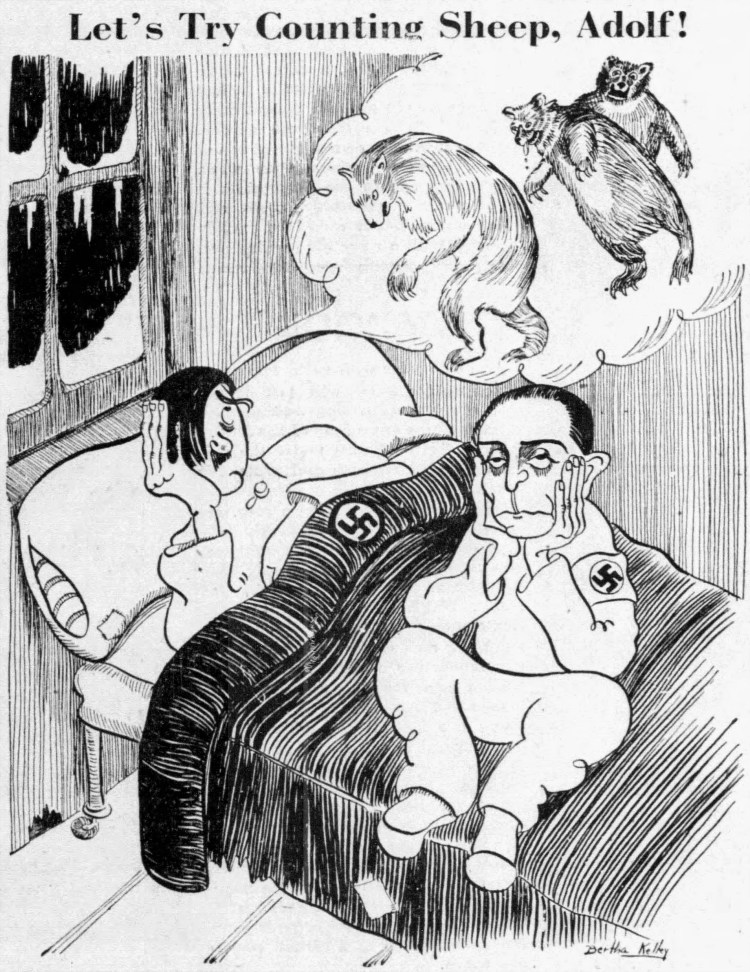
‘to count sheep’ (French ‘compter les moutons’): to count imaginary sheep jumping over an obstacle one by one, as a way of sending oneself to sleep
Read More‘like a bull in a china shop’ (UK, 1802)—French equivalent with ‘elephant’ instead of ‘bull’ (1849)
Read Moreoriginated in the mistranslation by Erasmus of Greek ‘skáphē’ (meaning anything hollowed out) as a word denoting a digging tool
Read More
