This proverb means that promises and plans must be put into action, otherwise they are useless. The early versions did not refer to hell or the road to hell being paved, but to hell being full of good desires, intentions, meanings, etc.
UK, 1821—‘we’ used in place of ‘I’ by a monarch or other person in power, also (frequently humorously) by any individual—originated as a loan translation from French ‘nous royal’, as used of Napoléon Bonaparte by Madame de Staël in her memoirs published in 1821
UK, 1805—personifies France or the French people, or designates a typical Frenchman—composed of ‘Johnny’, a pet form of ‘John’ used, with modifying word, to designate a person of the type, group, etc., specified, and of French ‘crapaud’ (a toad)—coined by British sailors during the Napoleonic Wars
The humorous expression ‘elbow grease’ (1639) denotes vigorous physical labour, especially hard rubbing. The corresponding French expression is ‘huile de coude’ (1761), literally ‘elbow oil’.
UK, 1677—a bad cough indicative of impending death—with allusion to the churchyard as the site of burial, ‘churchyard’ has been used attributively of something indicative of, or associated with, (impending) death
‘impressionist’ (1875) from French ‘impressionniste’ (1874)—a painter who was an exponent of ‘impressionism’ (1877), a movement in painting developed in France in the last third of the 19th century—French ‘impressionnisme’ may have been coined in 1858
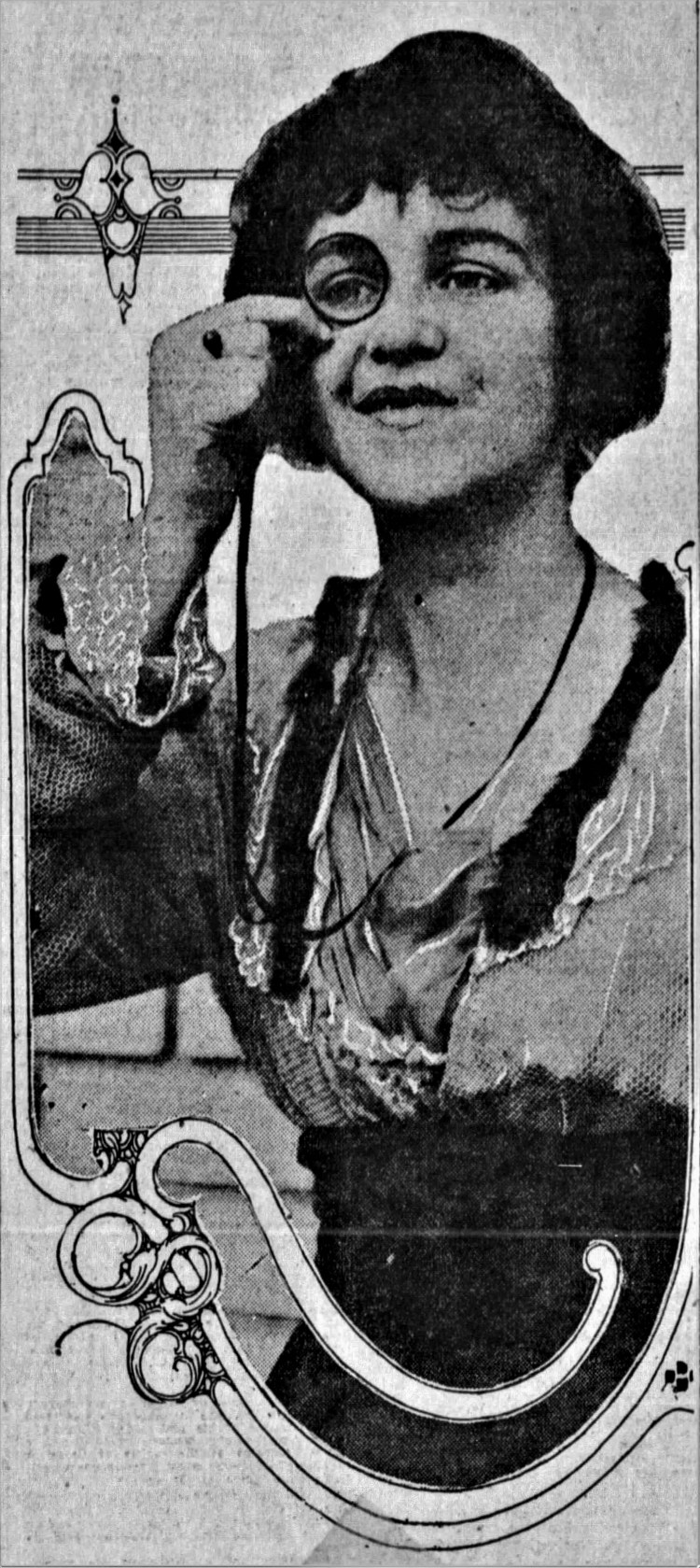
UK, 1897—‘Piccadilly window’: a monocle—hence ‘Piccadilly-windowed’: monocled—alludes to ‘Piccadilly’, the name of a street and of a circus (i.e., a rounded open space) in London
On the pattern of phrases such as ‘nom de guerre’, ‘nom de théâtre’ and ‘nom de plume’, ‘nom de —’ is used, often humorously, to form phrases denoting a pseudonym, an alternative name.
‘to have two left feet’: to be clumsy or awkward—postdates synonymous ‘to have two left hands’ (1815), loan translation of French ‘avoir deux mains gauches’—‘left’ has long been associated with inferior performance, awkwardness and insincerity