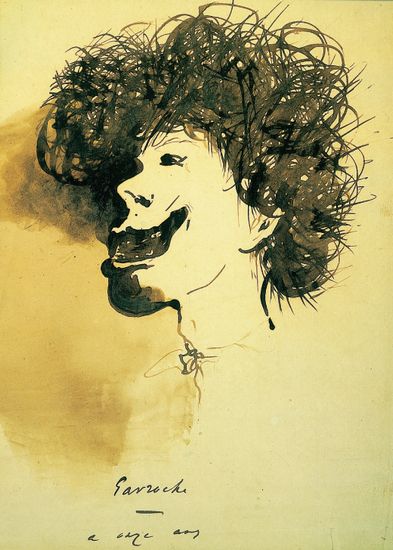
‘impressionist’ (1875) from French ‘impressionniste’ (1874)—a painter who was an exponent of ‘impressionism’ (1877), a movement in painting developed in France in the last third of the 19th century—French ‘impressionnisme’ may have been coined in 1858
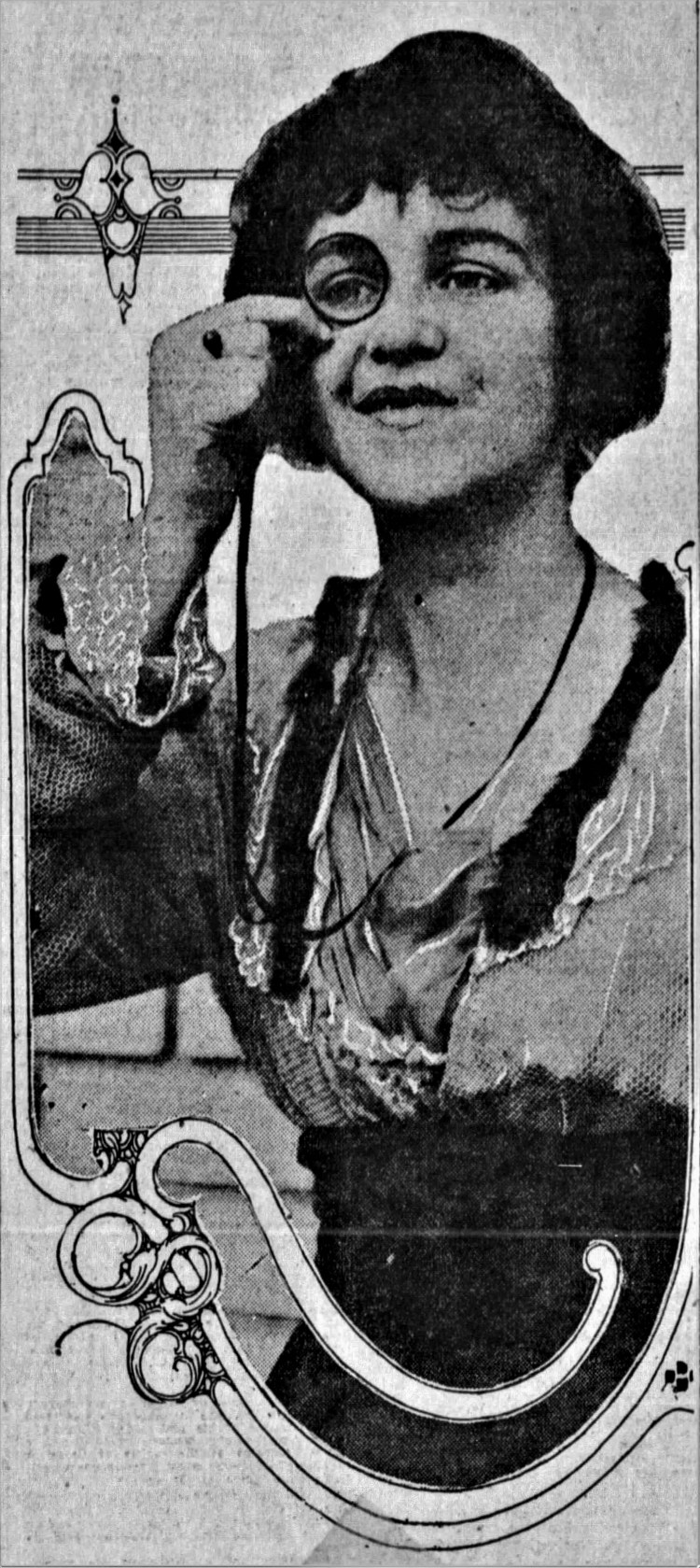
UK, 1897—‘Piccadilly window’: a monocle—hence ‘Piccadilly-windowed’: monocled—alludes to ‘Piccadilly’, the name of a street and of a circus (i.e., a rounded open space) in London
On the pattern of phrases such as ‘nom de guerre’, ‘nom de théâtre’ and ‘nom de plume’, ‘nom de —’ is used, often humorously, to form phrases denoting a pseudonym, an alternative name.
‘to have two left feet’: to be clumsy or awkward—postdates synonymous ‘to have two left hands’ (1815), loan translation of French ‘avoir deux mains gauches’—‘left’ has long been associated with inferior performance, awkwardness and insincerity
UK, 1854—to belong to, or to sympathise with, two opposite groups, factions, etc.—probably a loan translation from French ‘avoir un pied dans les deux camps’ (1843)
France, 1891; UK, 1908—a sandwich filled with ham and cheese, and toasted or grilled—from ‘croque’, conjugated form of the verb ‘croquer’, to bite, to crunch, and the noun ‘monsieur’ (the reason that this noun was chosen is unknown)
used to rebuke an unrealistic conditional—USA, 1808: ‘if my aunt had been my uncle, what would have been her gender?’—France, 1843: ‘si ma tante était un homme, ça serait mon oncle’ (‘if my aunt were a man, that would be my uncle’)
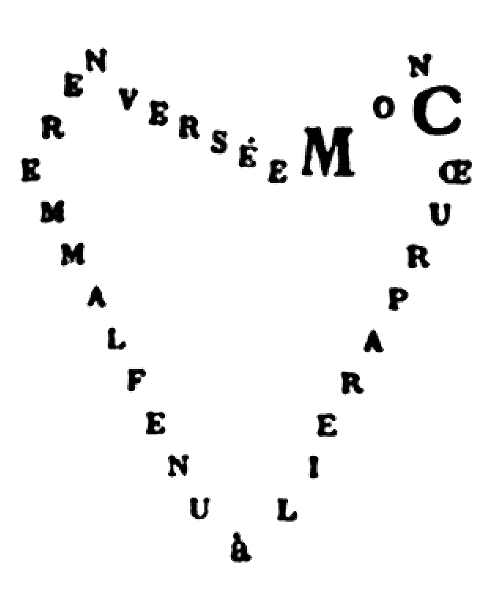
a word or piece of text in which the design and layout of the letters creates a visual image related to the meaning of the words themselves—from French ‘calligramme’, coined in 1918 by the French poet Guillaume Apollinaire—from ‘calligraphie’ and ‘idéogramme’


 word histories