origin of ‘the world is my oyster’
refers to the possibility of finding a pearl in an oyster—coined by Shakespeare in The Merry Wives of Windsor, perhaps in allusion to a proverb
Read More
“ad fontes!”
refers to the possibility of finding a pearl in an oyster—coined by Shakespeare in The Merry Wives of Windsor, perhaps in allusion to a proverb
Read More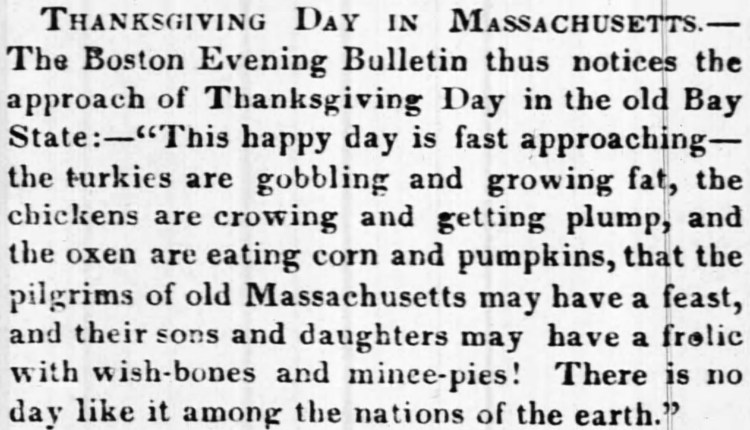
‘merrythought’, late 16th century— the forked bone between the neck and breast of a bird—so called from its resemblance to a woman’s external genitals
Read More
‘no man’s land’—first a place of execution outside London; then a mass burial ground during the Black Death; later an unoccupied zone between opposing forces
Read More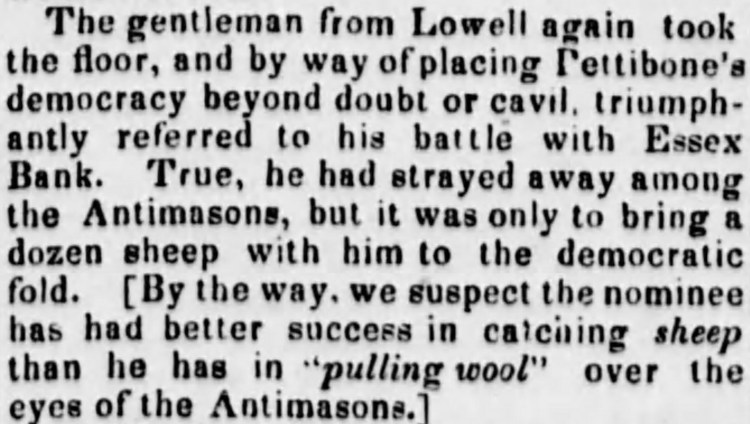
‘to pull the wool over someone’s eyes’, US, 1830s—perhaps from sheep farming: the hair that grows around a sheep’s eyes can get into them and blind the animal.
Read More‘the next world’, hence also ‘death’, ‘utter destruction’—1752—a loose, originally slangy, use of the petition ‘Thy kingdom come’ in the ‘Lord’s Prayer’
Read More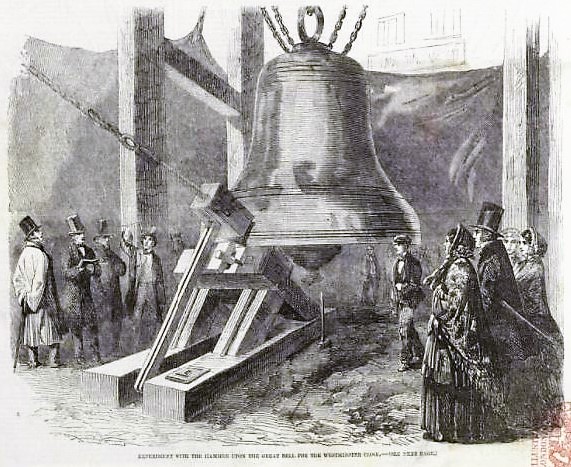
The Great Bell in the Parliament clock tower in London was named after Benjamin Hall, who, as First Commissioner of Works and Public Buildings, oversaw its installation in 1856.
Read More‘all Sir Garnet’ (late 19th cent.): highly satisfactory – from the name of Sir Garnet Wolseley (1833-1913), who conducted successful military expeditions
Read More
used by Abraham Lincoln to indicate that he was renominated for President because the Republicans did not want to take a risk during the American Civil War
Read More1611—from French ‘omelette’, ultimately an alteration of ‘lemelle’, ‘knife blade’ (from Latin ‘lamella’), with reference to the flattened shape of the dish
Read Moreearly 19th century—shortening of ‘to turn the deaf ear and the blind eye’ and variants
Read More word histories