‘as useful as an ashtray on a motorbike’: meaning and early occurrences
This phrase means ‘utterly useless’. The earliest occurrences that I have found are British English (from 1981 onwards) and Australian English (from 1983 onwards).
Read More
“ad fontes!”
This phrase means ‘utterly useless’. The earliest occurrences that I have found are British English (from 1981 onwards) and Australian English (from 1983 onwards).
Read MoreAustralia, 1967—Redfern: a train station positioned one stop before Sydney Central Station—British-English regional variations include, in Newcastle upon Tyne: ‘to get out at Gateshead’
Read Moretelevision programmes that are gratuitously shocking or sensational, or of poor quality—from their eliciting in the viewer a similar horrified fascination to that experienced by people watching scenes of cars crashing
Read MoreFrance, 1891; UK, 1908—a sandwich filled with ham and cheese, and toasted or grilled—from ‘croque’, conjugated form of the verb ‘croquer’, to bite, to crunch, and the noun ‘monsieur’ (the reason that this noun was chosen is unknown)
Read MoreUK, 1909: expresses the speaker’s good faith—literally, in Scouting for Boys (1908), by Robert Baden-Powell: the honour on which a Scout promises to obey the Scout Law
Read MoreUK, 1968—British and Australian: expresses indifference towards, or rejection of, a suggestion—from ‘Umpa, Umpa, Stick It Up Your Jumper’, a song recorded in 1935 by The Two Leslies (Leslie Sarony and Leslie Holmes)
Read More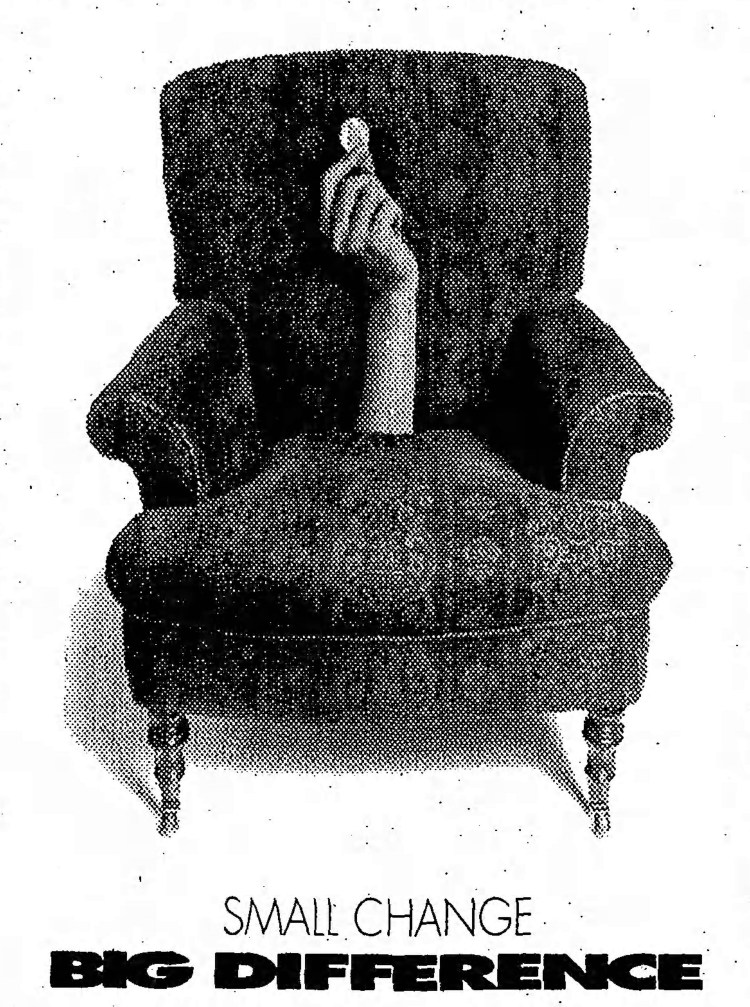
UK and Ireland—the small change that has slipped down between the cushions and the back, or the arms, of a sofa—also used figuratively: public funds that are ‘miraculously’ found; permanent end; wasted money
Read More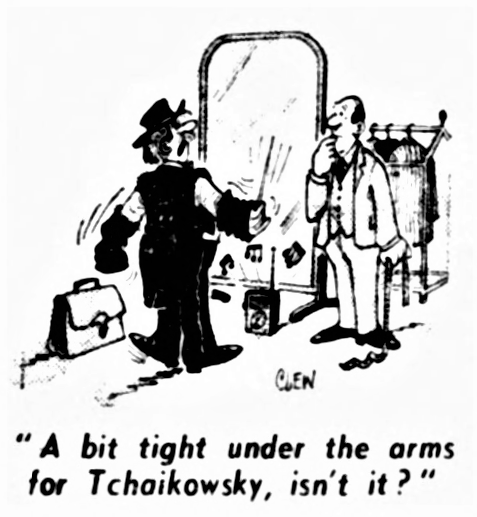
UK and USA, 1908: applied to a pair of trousers much too large for the wearer—later also applied to small cars and to socks much too large for the wearer
Read More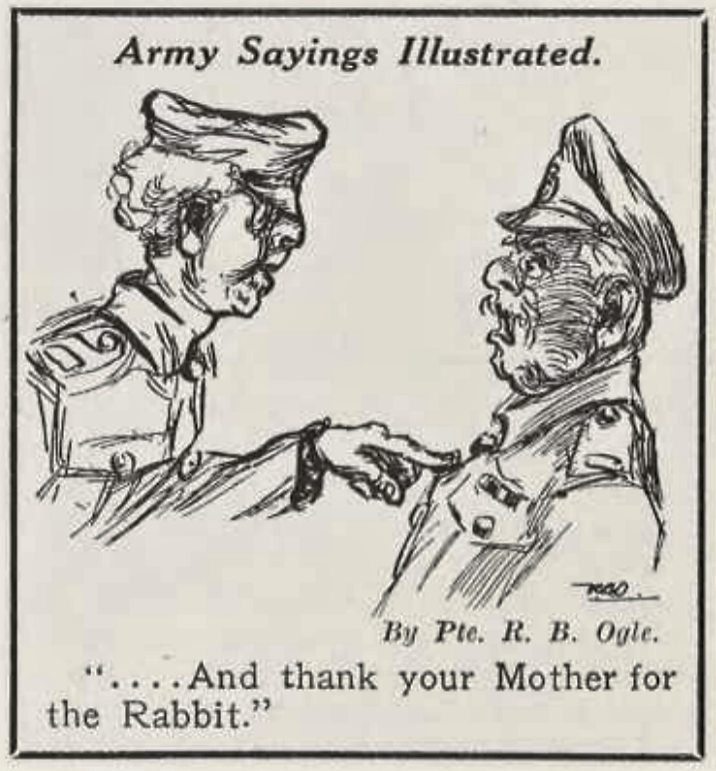
UK and Ireland, since 1913—this jocular phrase has been used as an ironic expression of gratitude and as a goodbye
Read More
conveys derisive self-congratulation for an action that the speaker has done from a sense of duty rather than for pleasure—from a line uttered by Charles Laughton in the 1933 film The Private Life of Henry VIII
Read More
