history of ‘many are cold (but) few are frozen’
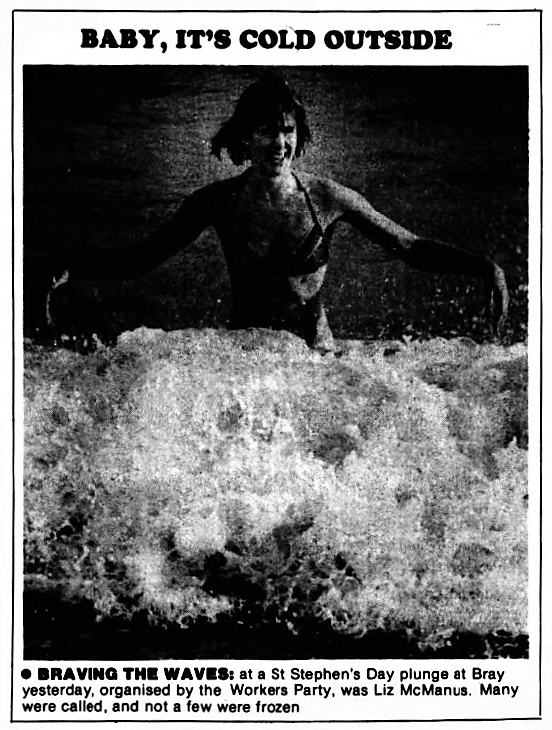
USA, 1885—humorous alteration of ‘many are called (but) few are chosen’, which refers to The Parable of the Workers in the Vineyard (gospel of Matthew, 20:1-16)
Read More
“ad fontes!”
USA, 1885—humorous alteration of ‘many are called (but) few are chosen’, which refers to The Parable of the Workers in the Vineyard (gospel of Matthew, 20:1-16)
Read More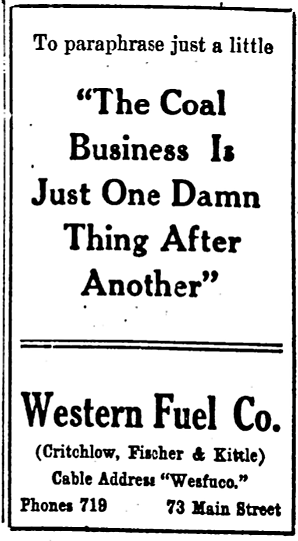
USA, 1909—first with grammatical subject ‘life’, meaning ‘life consists of a succession of unpleasant or unlucky events’—then with other grammatical subjects
Read MoreUK, 1945—with allusion to the former price of admission to public lavatories: to use a public convenience—by extension: to urinate
Read Moreto have no idea at all—Scotland, 1990—‘scooby’ (short for ‘Scooby Doo’, name of cartoon dog in U.S. television series and films): rhyming slang for ‘clue’
Read More
UK, 1935—to conduct oneself adroitly (‘clever’: adverb meaning ‘skilfully’)—originated in boxing
Read More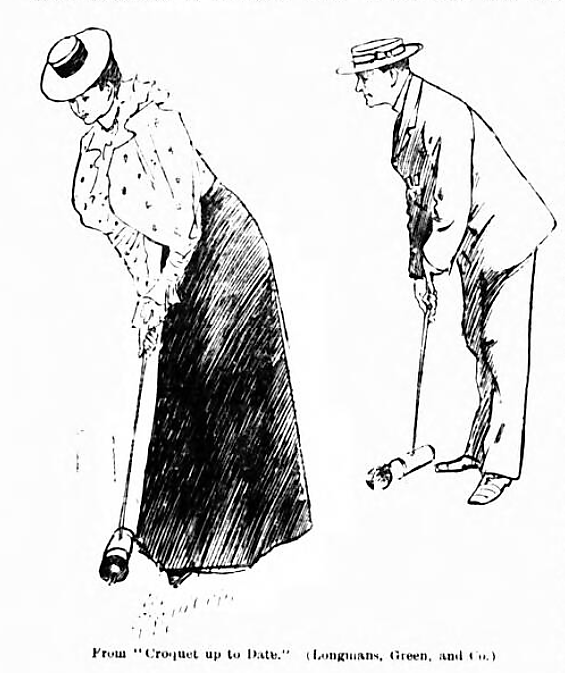
croquet: unenterprising or defensive player or play—from the name of the fictitious author of a chapter on such tactics in Lillie’s ‘Croquet up to Date’ (1900)
Read More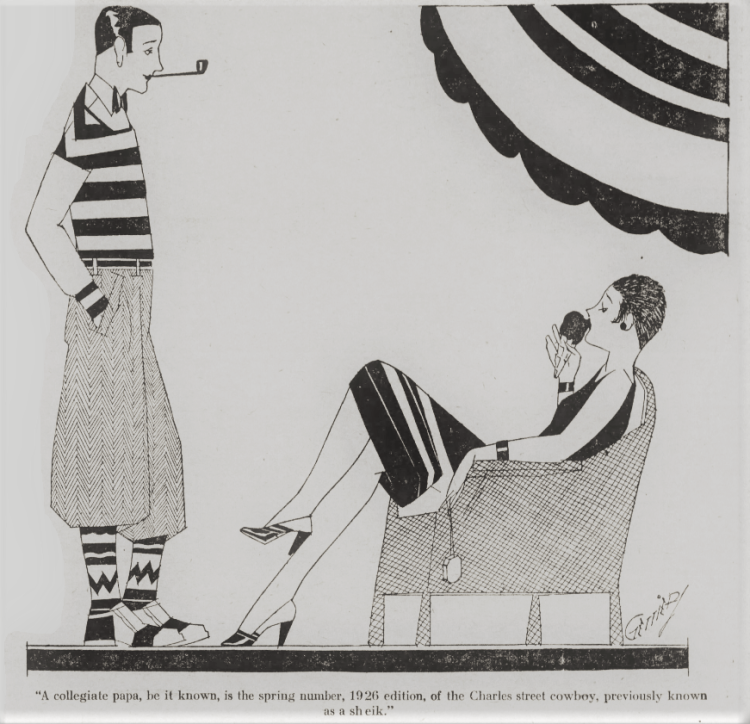
USA, 1926—meaning: it’s utter nonsense, no matter how hard you try to prove the opposite—from ‘bologna’: a large smoked sausage made of seasoned mixed meats
Read More1911—expenses rise as soon as one marries or begins cohabiting, or even carries on a romantic relationship—antonym of ‘two can live as cheaply as one’
Read More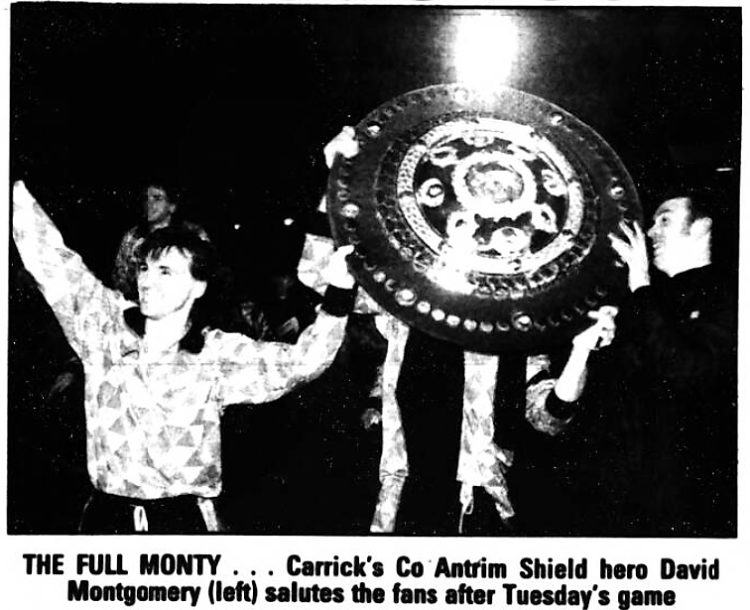
used to mean ‘everything which is necessary, appropriate or possible’, sometimes with punning reference to the British comedy group ‘Monty Python’
Read More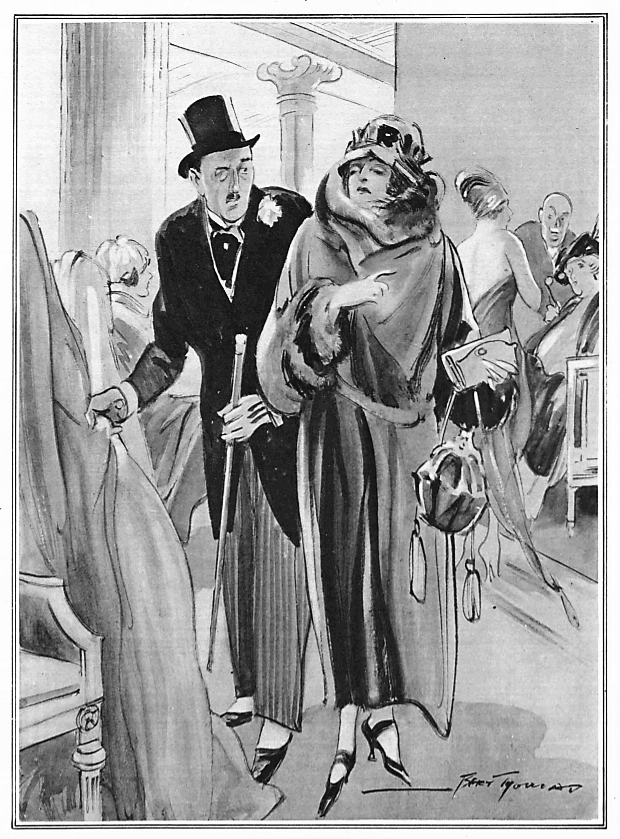
First World War military slang—extended forms of ‘that’s the stuff’—used in approval of what has just been done or said, or to mean ‘that is what is needed’
Read More
