‘plain vanilla’ | ‘vanilla sex’: early occurrences
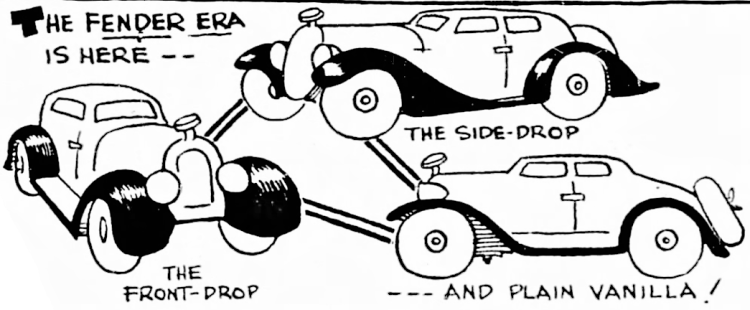
from the popular perception of vanilla as the ordinary, bland flavour of ice-cream—USA—‘plain vanilla’ 1934—‘vanilla sex’ 1960
Read More
“ad fontes!”
from the popular perception of vanilla as the ordinary, bland flavour of ice-cream—USA—‘plain vanilla’ 1934—‘vanilla sex’ 1960
Read More
a statement of praise or admiration—Australia, 1903—also used, in particular, by Irish author Brendan Behan (1923-1964)
Read More
UK, 1851—a disappointing end to an otherwise exciting display—refers to the cleaning-up, especially of horse-dung, necessary after the Lord Mayor’s Show, in London
Read Morein a sad state, or, merely, dishevelled—USA, 1897—refers to The Wreck of the Hesperus (1840), by the U.S. poet Henry Wadsworth Longfellow
Read More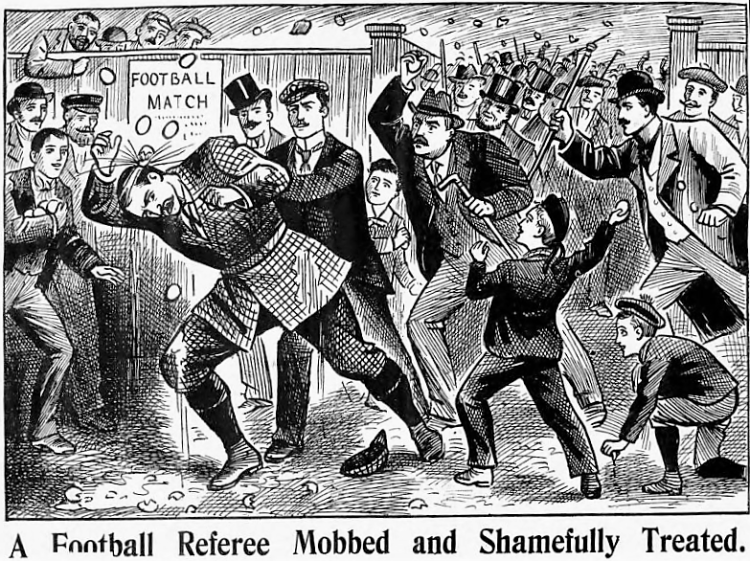
UK, 1935—used to express disagreement with the referee during a soccer match—alludes to the white walking stick carried by a blind person
Read More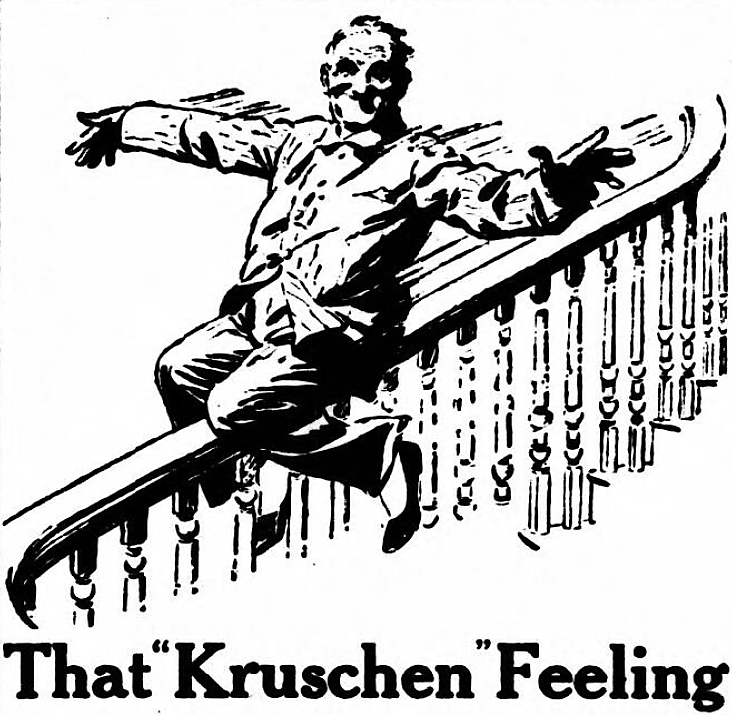
great vitality, enthusiasm and liveliness—UK, 1922—originally (from 1921 onwards) used in the advertisements for Kruschen Salts
Read More
gained currency from its use by Magnus Magnusson on the BBC-Television quiz programme ‘Mastermind’, which he presented from its creation in 1972 until 1997
Read More
USA, 1919—‘spare no expense’—also ‘go all out for it’, ‘hand victory on a platter’, ‘allow yourself more of what you want’ (South Africa)
Read More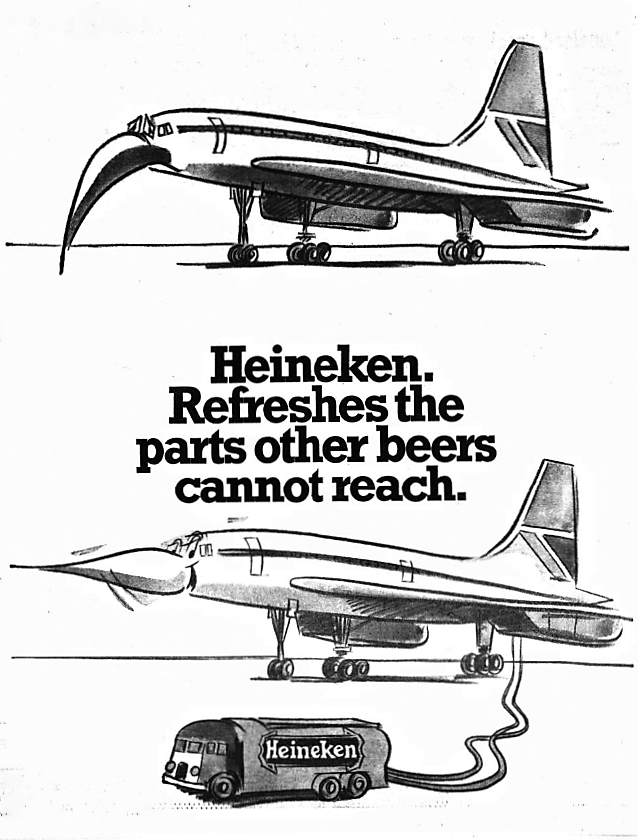
UK, 1976—from “Heineken. Refreshes the parts other beers cannot reach”, an advertising slogan for Heineken lager, in use from 1975 onwards
Read More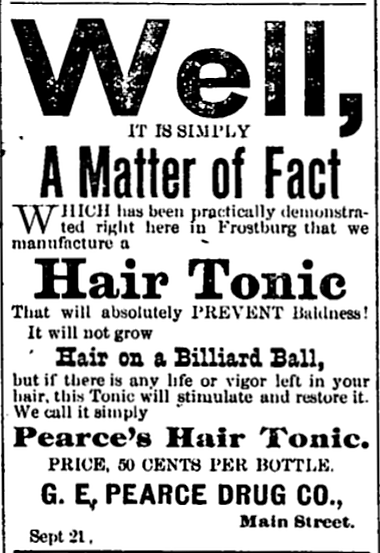
to achieve the impossible—USA, 1881—originally and chiefly used with reference to hair loss treatment
Read More
