‘mushroom treatment: kept in the dark and fed bullshit’
American English, 1965—signification: to be kept in a state of ignorance and told nonsense—in use a few years later in Australian English and British English
Read More
“ad fontes!”
American English, 1965—signification: to be kept in a state of ignorance and told nonsense—in use a few years later in Australian English and British English
Read MoreUSA, 1984—used to indicate that something is blatantly obvious—humorously from ‘Is the Pope Catholic?’ and ‘Does a bear shit in the woods?’
Read More
USA—used ironically as a response to a question or statement felt to be blatantly obvious—from 1959 onwards as ‘Does a bear live in the woods?’ and variants
Read More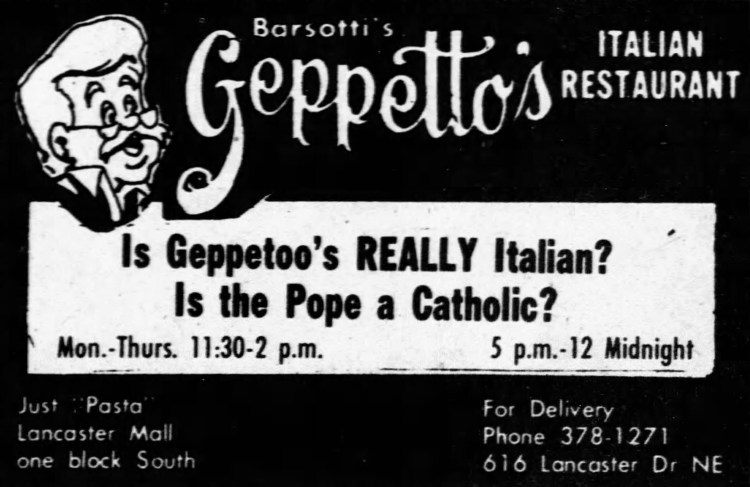
USA, 1951—rhetorical question used ironically as a response to a question or statement felt to be blatantly obvious
Read MoreUSA, 1926—only a person with a given personality, characteristic, etc., is able to identify that quality in someone else—particularly used of homosexuals
Read More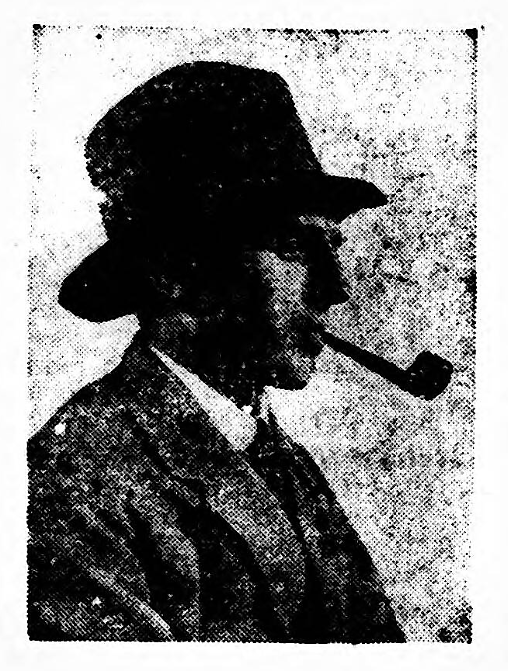
1927—a mystery man The Westminster Gazette’s readers were challenged to identify in order to claim prize money—‘Lobby Lud’: the Gazette’s telegraphic address
Read More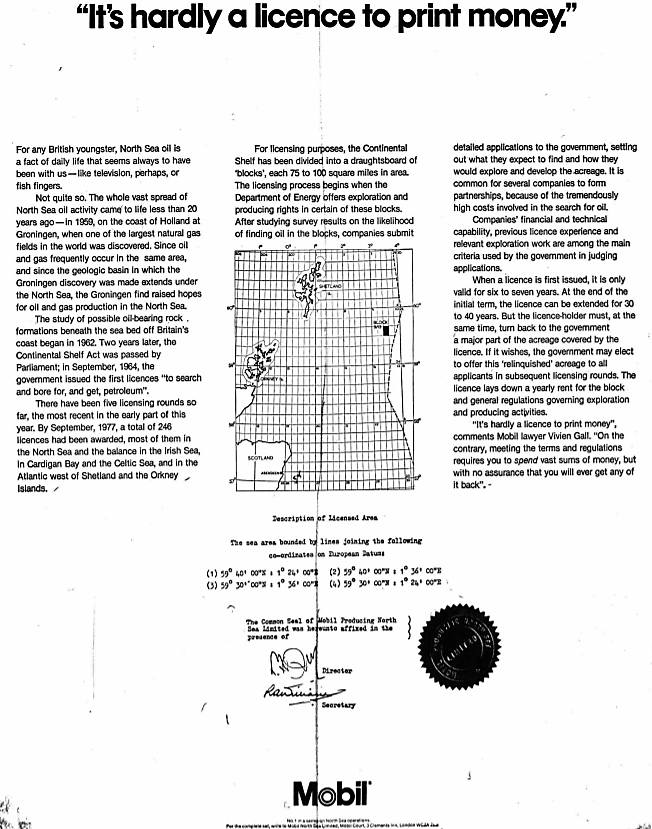
North America, 1943: used of owners of professional baseball teams—Britain, 1958: used of the franchises granted for running commercial television stations
Read More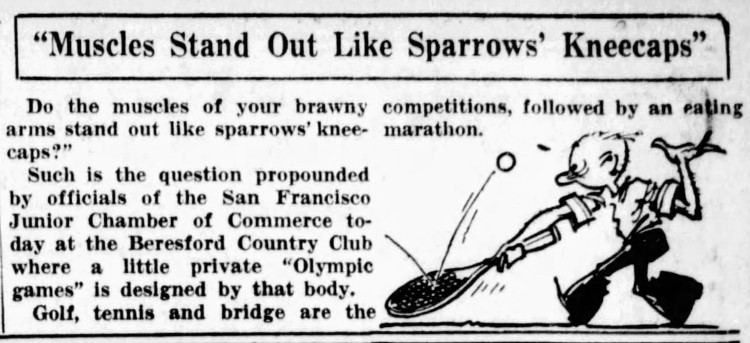
UK, 1922—(self-)disparagingly used of somebody’s physical strength—sometimes as a parody of ‘The Village Blacksmith’ (1840), by Henry Wadsworth Longfellow
Read More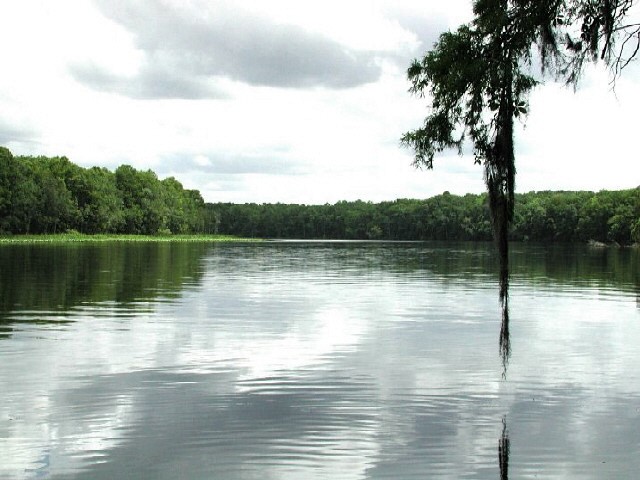
UK, 1926—completely lost or wasted—seems to allude to ‘Old Folks at Home’ (1851), also known as ‘Swanee River’, by the U.S. songwriter Stephen Foster
Read More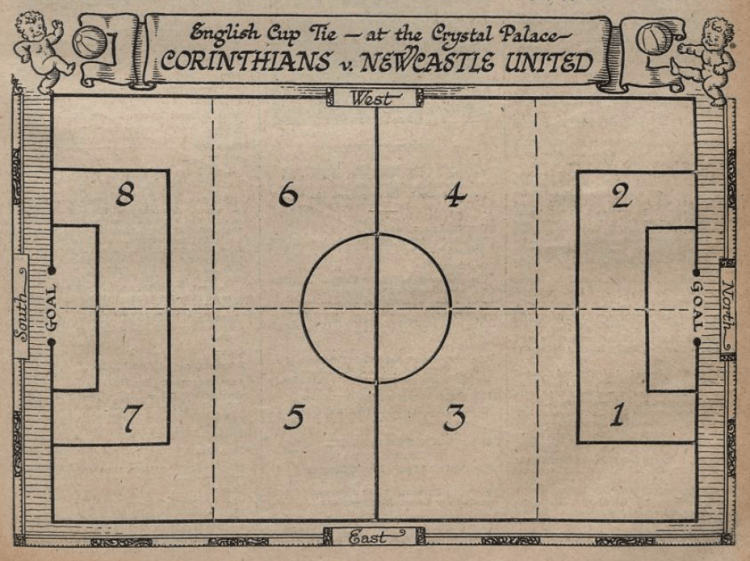
UK, 1952—back to where one started, with no progress having been made—refers to the game of snakes and ladders
Read More
