meaning and origin of the phrase ‘not to know — from a bar of soap’
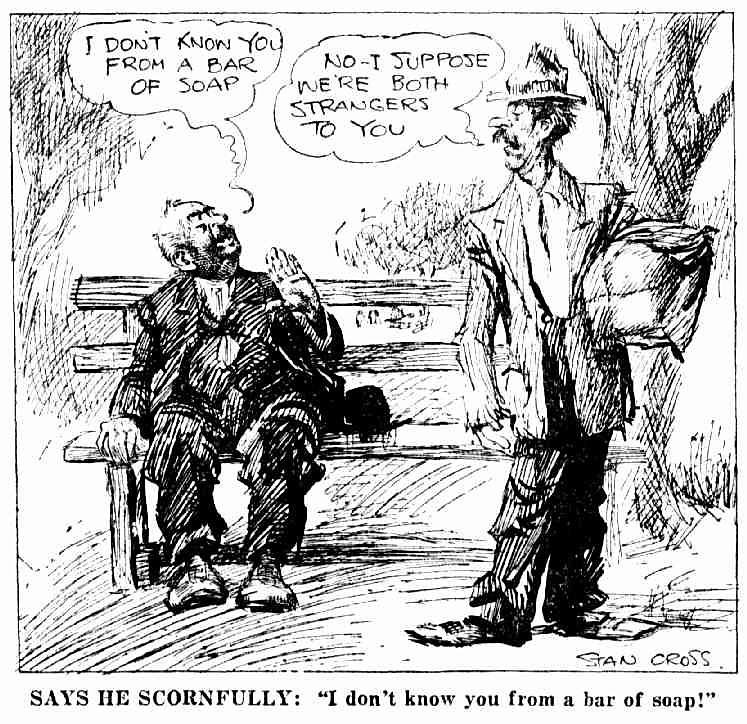
to be completely unacquainted with someone or something—most earliest uses (late 19th century) in U.S. publications, but a few in Australian publications
Read More
“ad fontes!”
to be completely unacquainted with someone or something—most earliest uses (late 19th century) in U.S. publications, but a few in Australian publications
Read More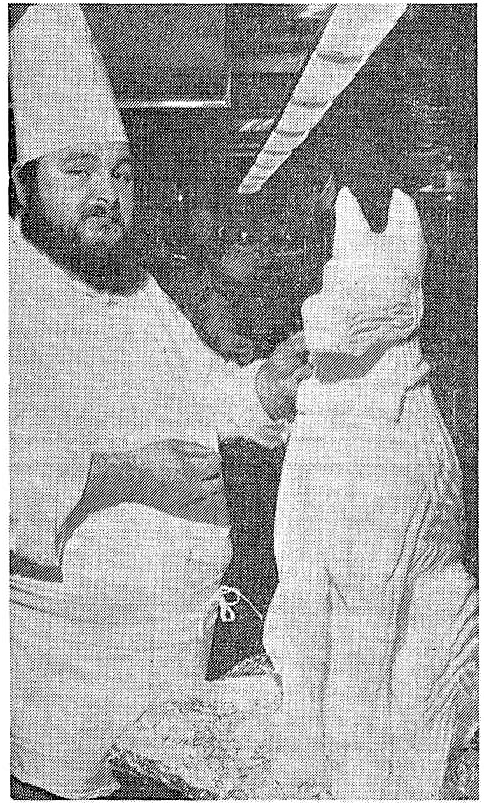
1950—used of a substance causing death or illness, and by extension of something powerful or disastrous—refers to red kelpie sheep dogs, who can ingest anything
Read More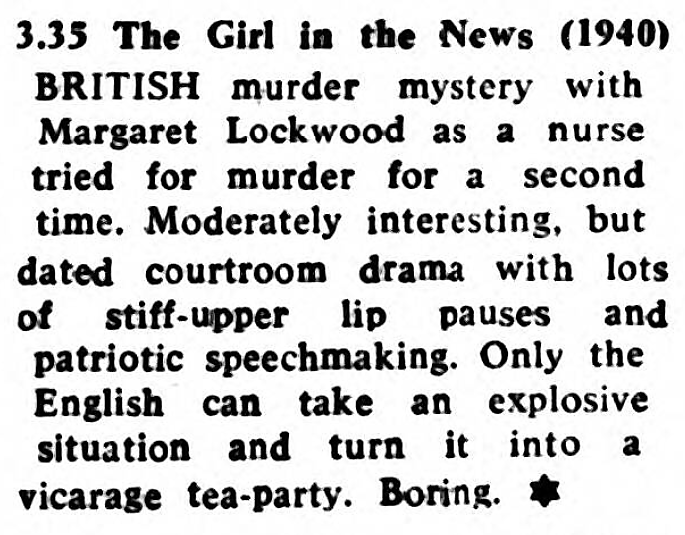
20th century—denotes something mild, innocuous or uneventful—but those notions have been associated with vicarage tea-parties since the 19th century
Read More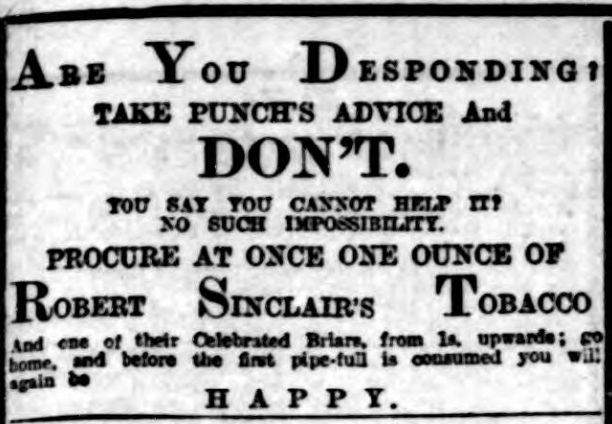
from “advice to persons about to marry—don’t”, published in ‘Punch’s Almanack for 1845’ (24 December 1844) by the magazine ‘Punch, or the London Charivari’
Read More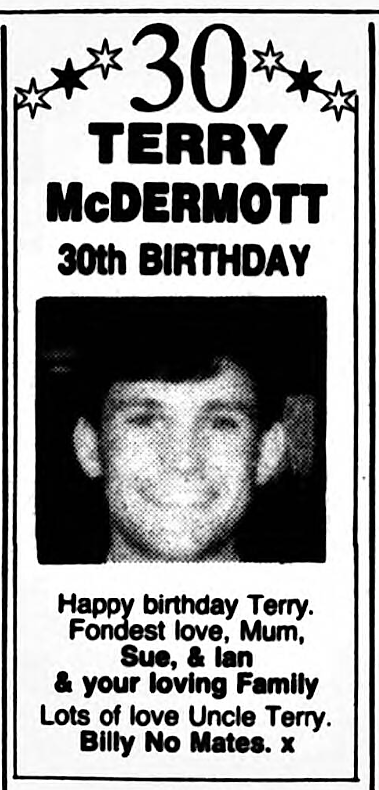
UK, 1993—a person, usually a man, regarded as friendless—often used as a humorous surname following a generic first name such as ‘Billy’
Read More
1923—from Bernard Pykett’s plea when asking for money after his diving exhibitions—popularised from 1941 onwards by the BBC radio comedy programme It’s That Man Again
Read More
UK, 1920s—refers to a person going from one place to another with something to sell—from the slogan on the box-tricycles selling Wall’s Ice Cream
Read More
UK Ireland—only here for a bit of fun—from “I’m only here for the beer. It’s Double Diamond”, advertising slogan for Double Diamond pale ale from 1969 onwards
Read More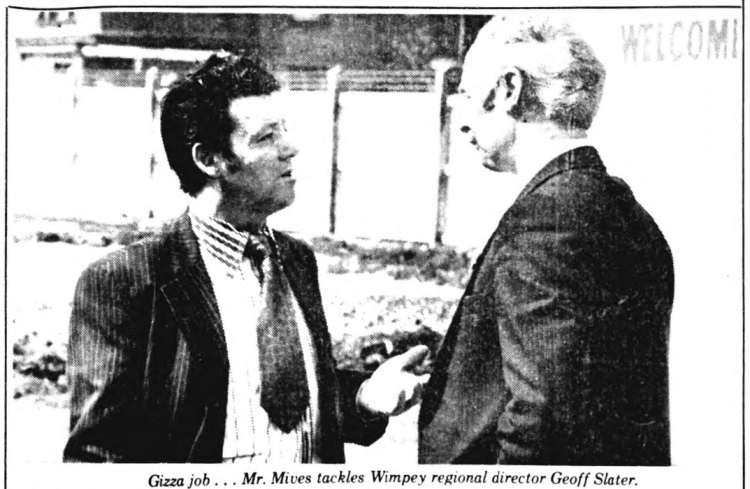
‘give us a job’—UK, 1983—used by Yosser Hughes, a character in Boys from the Blackstuff (1982), a BBC TV drama series on the desperation bred by unemployment
Read More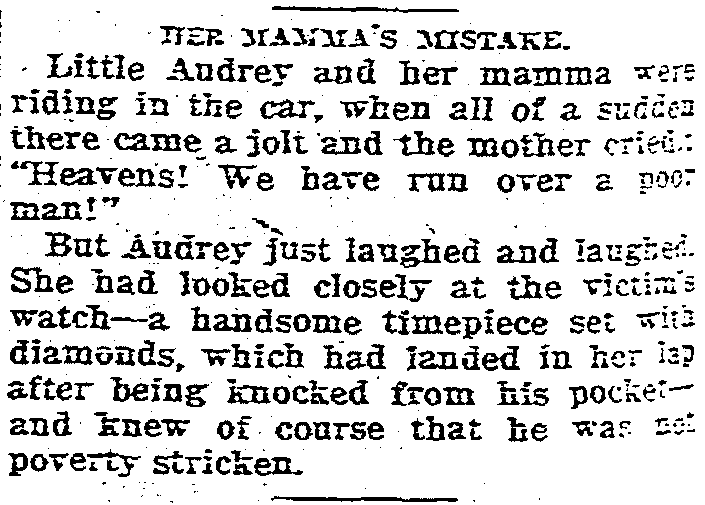
a joke involving a pun or double entendre opening with ‘but little Audrey just laughed and laughed because she knew’—January 1926, Kansas City Star (Missouri)
Read More
