UK, 1954—used of a weakling or of an ineffectual person—‘Echo’ refers to the Liverpool Echo, a newspaper published in Liverpool, England—but perhaps refers, on one occasion, to the South Wales Echo, published in Cardiff, Wales
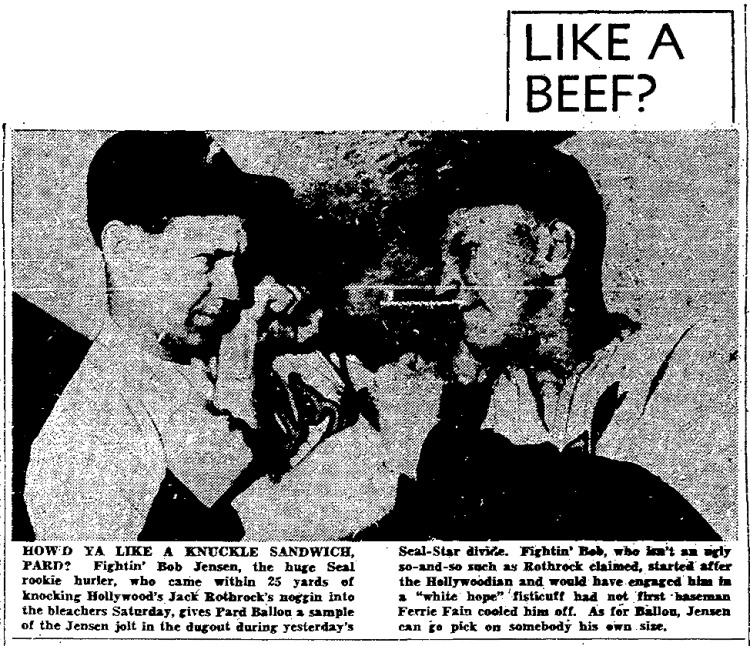
‘knuckle-sandwich’ USA, 1940—‘knuckle-butty’ UK, 1972—a punch to the mouth (or to the stomach)—the image is of a sandwich of knuckles being forced into the mouth (or into the stomach) of the person who is punched
UK, 1929—a drink of alcohol—especially used of an initial drink taken by someone (e.g. a young person) who is particularly susceptible to the effects of alcohol
Liverpool, England—(1957) an insalubrious place—(1961) the neighbouring town of Bootle regarded as a rough area—said to refer to the Knowsley’s Bug Circus of Bootle, which featured clog-shod, chain-smoking performing bugs
UK and Ireland—with reference to the fact that Horatio Nelson was blinded in one eye—(1922) ‘until/when Nelson gets his eye back’ is used of a very long time in the future—(1933) the metaphor of Nelson getting his eye back is used of a very small chance of success
UK, 1892—very rarely—refers to the fact that Preston Guilds are held only once every twenty years—Preston is the administrative centre of Lancashire, a county of north-western England, on the Irish Sea
UK, 1980—denotes someone or something that is unwelcome, unpopular, etc.—first recorded in a remark by the Scottish comedian Billy Connolly, but perhaps originated in Royal-Navy slang
Australia, 1909—(horseracing) a bet is sure to pay off; (in extended use) something is a very strong probability—from the notion that the punter is so confident of winning the bet that he is prepared to put the whole city of London on a horse to win a brick, i.e., a ten-pound note
USA—‘in mothballs’ (1892): in a state or period of inactivity, disuse, reserve, storage or postponement—‘out of mothballs’ (1905): back into activity, into use
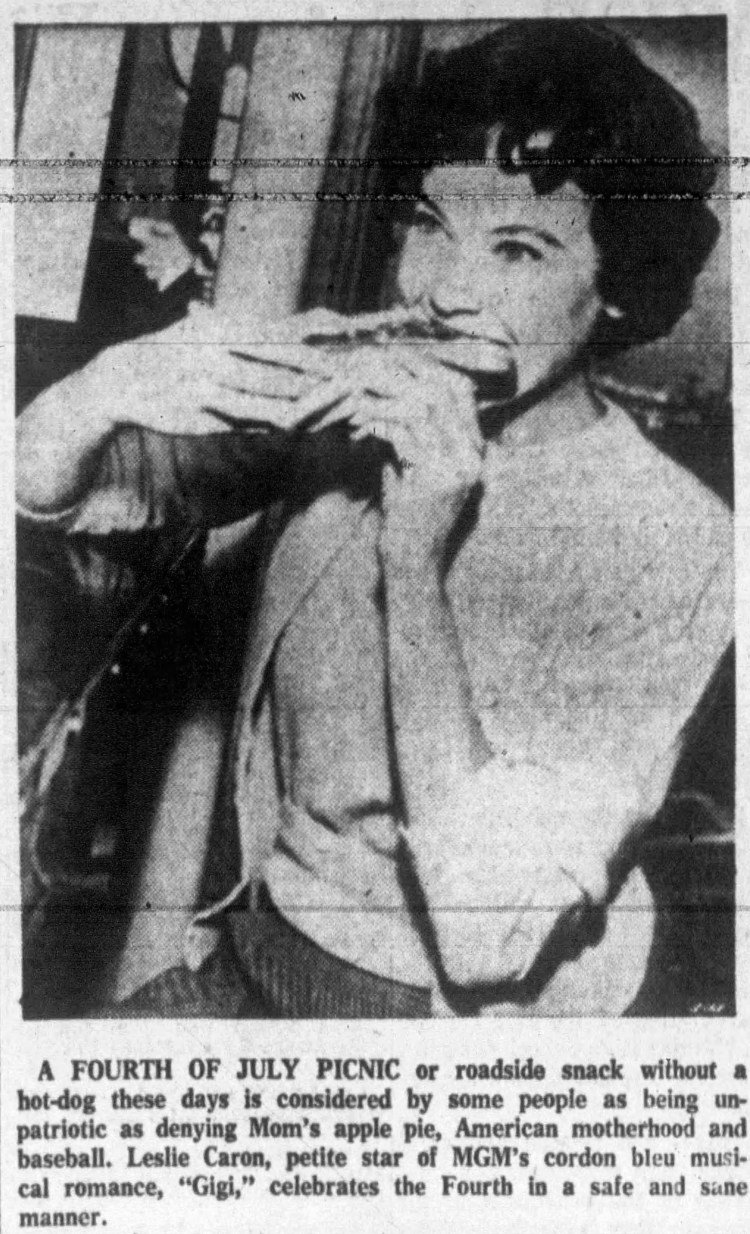
USA, 1956—denotes a core principle, value, belief, characteristic, aspect, etc., of the U.S.A. or its citizens—more generally, the nouns ‘motherhood’ and ‘apple pie’ have been juxtaposed in enumerations of things and persons exemplifying U.S. values