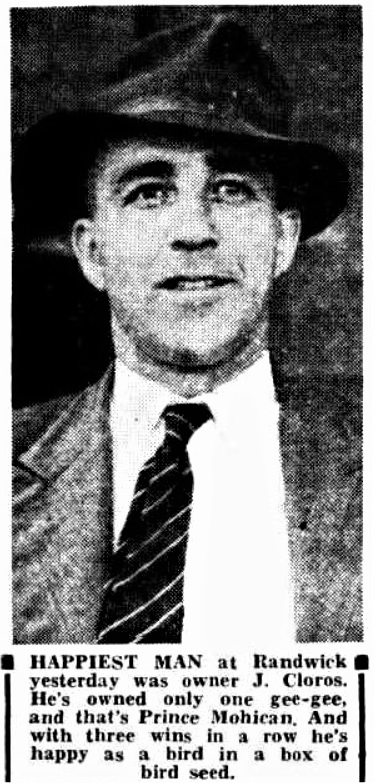
Australia and New Zealand, 1939—to be in good spirits, ‘chirpy’—the image is of a boxful of chirping birds (cf. the extended form ‘happy as a bird in a box of birdseed’)—New-Zealand variant ‘to be a box of fluffy ducks’, also ‘to be a box of fluffies’
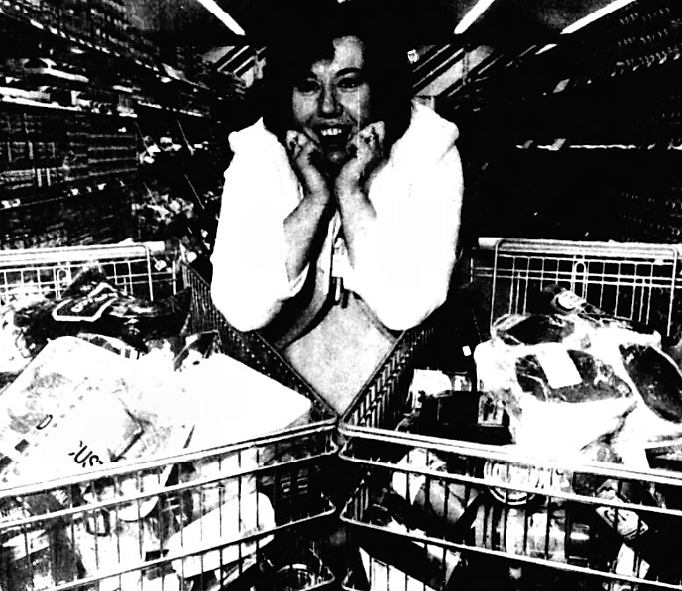
UK—1977: an event in which the winner of a game or competition is entitled to a set period of free shopping in a supermarket or other store, the object being to place as many products as possible in a shopping trolley during that time—1994: a quick or rushed shopping trip around a supermarket or other store
used of a buck-toothed person—USA, 1933, as ‘can eat an apple through a picket fence’—USA, 1950, as ‘can eat an apple through a tennis racquet’—UK, 1979, as ‘can eat an apple through a letter box’
Australia, 1887—a forlorn hope, no prospect whatever—may refer to the British convict William Buckley (1780-1856), who escaped from custody in 1803 and lived for thirty-two years with Aboriginal people
UK, 1985—to be ‘stale’, to be no longer innovative, relevant, or effective—refers to the practice introduced in Britain in the early 1970s of stamping perishable goods with the latest date by which they may be sold
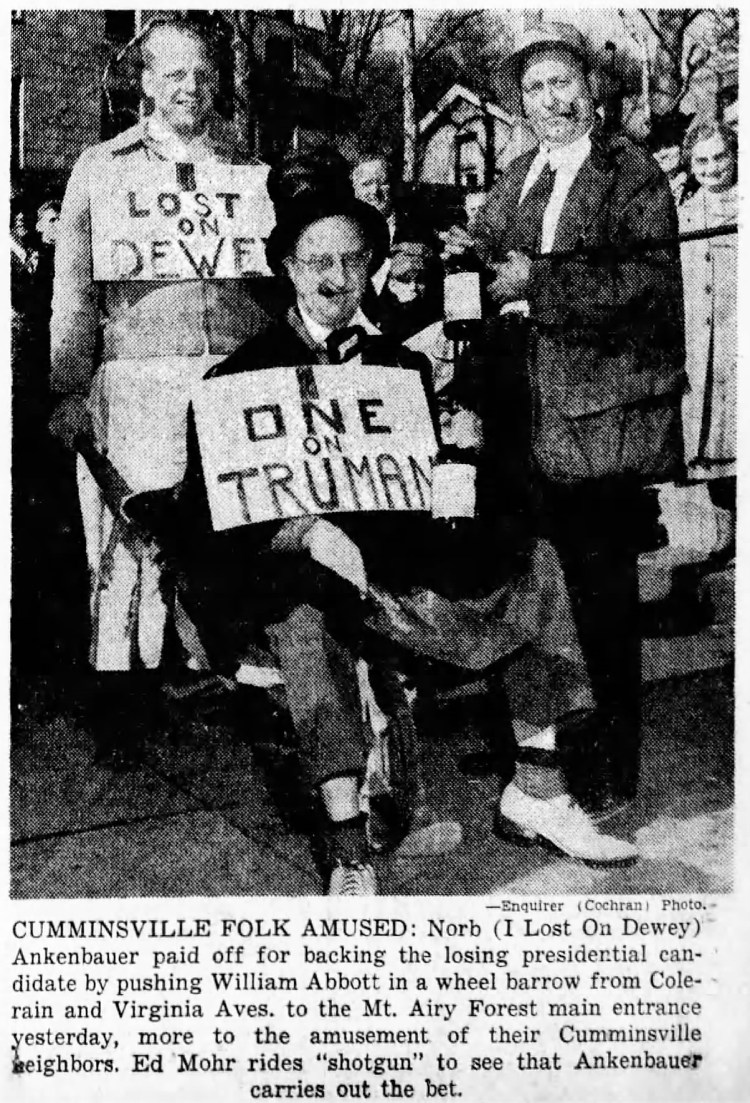
USA—literally (1905): to travel as an armed guard next to the driver of a vehicle—in extended use (1948): to accompany, to escort, especially in ‘to ride shotgun on somebody’—figuratively (1949): to assist, to protect, especially in ‘to ride shotgun on somebody’
UK, 1831—used when the result of a contest or the outcome of an action appears certain—originally used of horse racing—the noun ‘shouting’ denotes a loud and enthusiastic show of appreciation
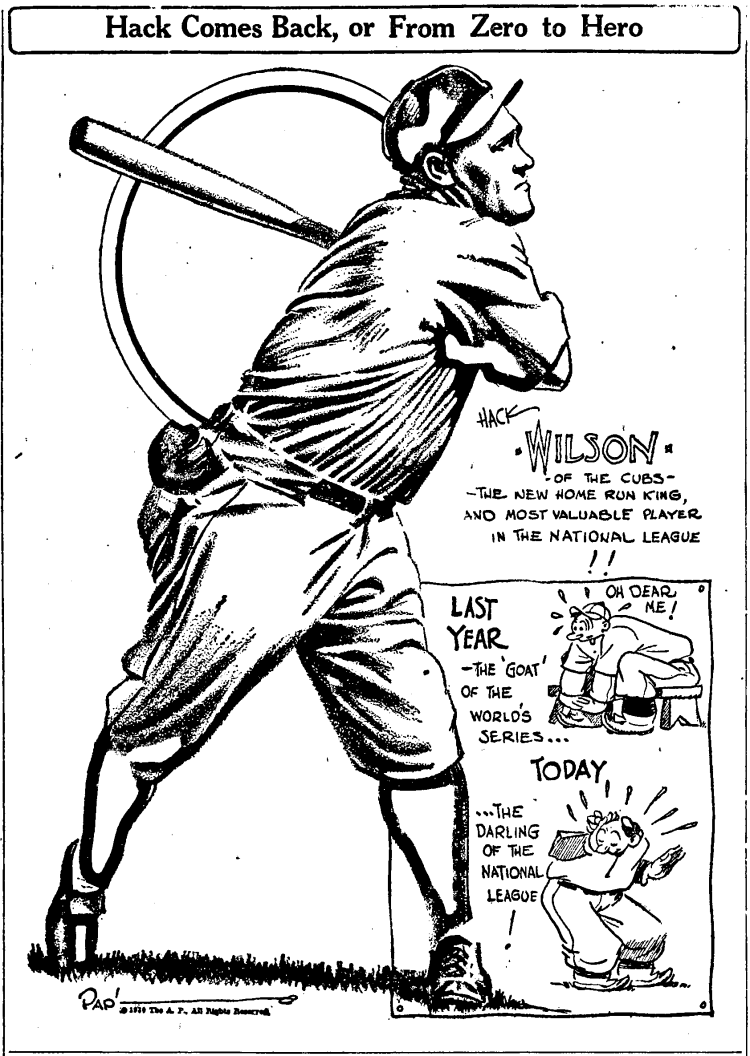
USA—(1893) ‘to go from zero to hero’: to experience a sudden increase in popularity or success, especially having previously been in a position of low achievement or esteem—(1899) ‘to go from hero to zero’: to suffer a sudden decline in popularity or success
Liverpool, England, 1939—scouse without meat—“from the general early sense of ‘blind’ meaning ‘deficient’” (Liverpool English Dictionary)—‘scouse’, shortened form of ‘lobscouse’: “a dish of hashed meat stewed with potatoes and onions; an Irish stew” (English Dialect Dictionary)