‘you’ll be smoking next’: meaning and early occurrences

used to rebuke someone, especially, jocularly, for an act far more improper or audacious than mere tobacco-smoking—USA, 1889
Read More
“ad fontes!”
used to rebuke someone, especially, jocularly, for an act far more improper or audacious than mere tobacco-smoking—USA, 1889
Read More
UK, 1851—a disappointing end to an otherwise exciting display—refers to the cleaning-up, especially of horse-dung, necessary after the Lord Mayor’s Show, in London
Read More
USA, 1934—addressed, often with ironic pity, to someone who has had an arduous day—from very popular 1934 song, ‘Little Man, You’ve Had a Busy Day’
Read More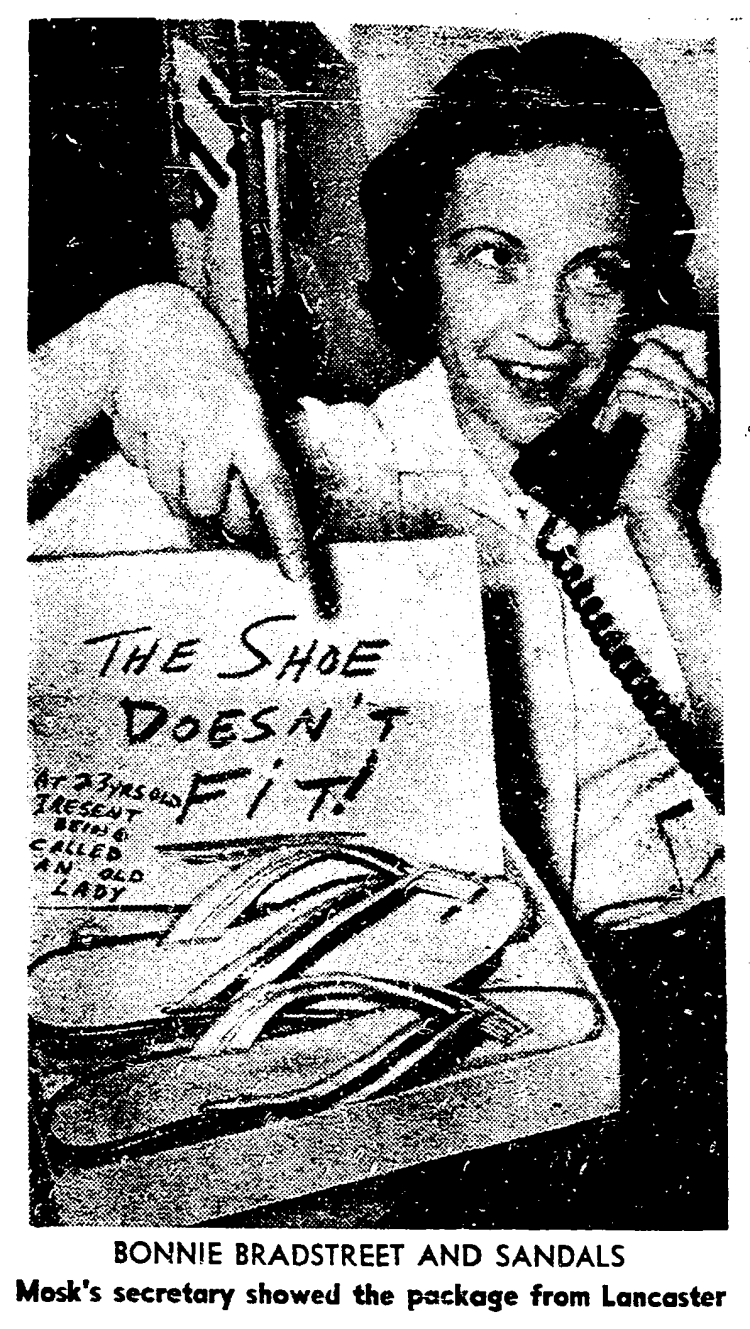
USA, 1961—coined by Howard Jewel, Assistant Attorney General, Sacramento, California, as a description of female members of the John Birch Society
Read More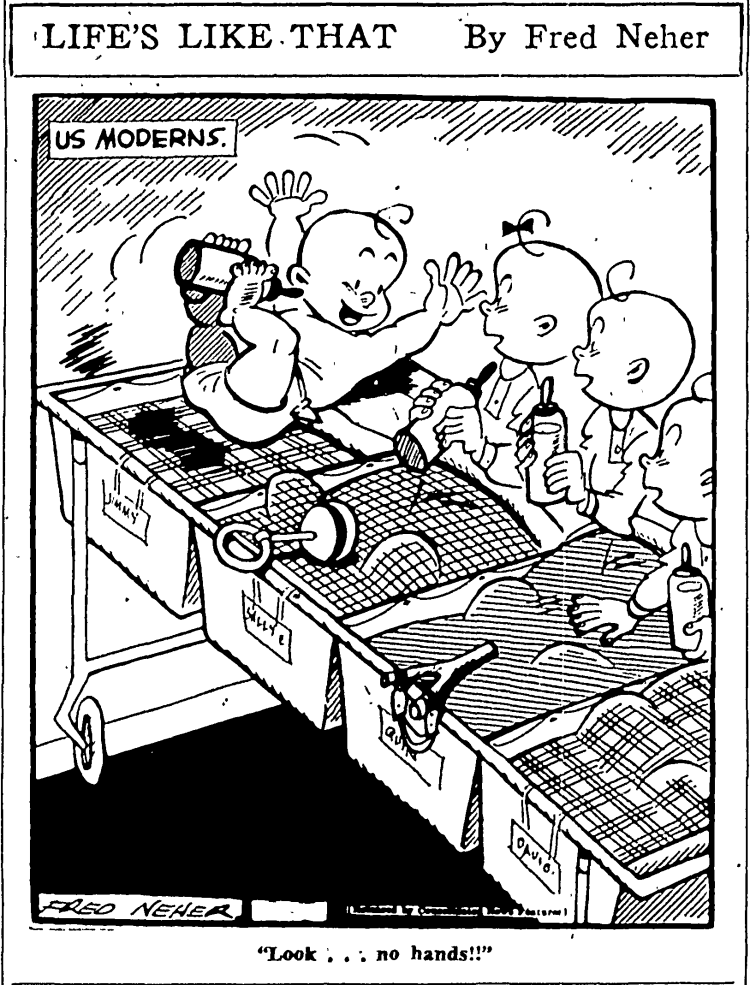
used of something done cleverly—British and American—originated as the proud exclamation of a child riding a bicycle with no hands on the handlebars
Read Moreused to express satisfaction when a task that has called for more than usual enterprise and determination has been accomplished—UK, 1833
Read More
USA, 1956—jocular variant of equally jocular ‘see you later, alligator’ (1952)—recoined on separate occasions by various persons, independently from one another
Read More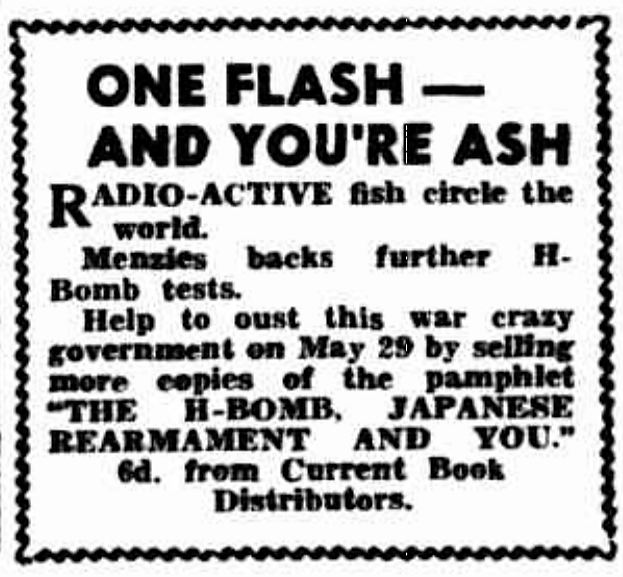
Australia, 1953—slogan used by opponents of nuclear weapons—also used in New Zealand
Read More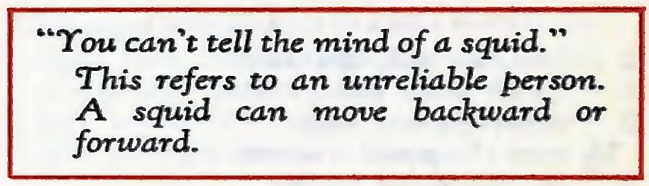
Newfoundland, 1958—used of someone or something that is unreliable—refers to the fact that a squid moves backwards and forwards
Read More
used of a person whose display of distress misleads others into underestimating this distress—UK, 1962—from ‘Not Waving but Drowning’ (1954), by Stevie Smith
Read More
